Various options are compared during the planning of a construction project. Among other things, factors such as energy efficiency play a role in making a property ecologically and economically attractive. This also includes the choice of a suitable heating system. Infrared heating systems are particularly suitable in combination with a photovoltaic system. In this article, we will look at the advantages of infrared heaters with solar energy for building projects.
Economic demands on a construction project
- Energy-efficient overall concept
- Acquisition and operating costs
- Attractiveness through ecological construction
- Increase in the value of the property
The prerequisite for the successful completion of a construction project is cost-effective planning and implementation. Inexpensive yet high-quality materials, components and systems are therefore essential. A heating system is part of the basic equipment of German residential and office properties.
Let’s take a closer look at the individual advantages of infrared heaters for building projects.
Infrared heaters: Advantages for building projects
Independence from gas and oil
Heating with fossil fuels is harmful to the environment. The terminology “fossil” suggests a geological age that dates back decades or even millions of years. Nature needs this long period of time to generate crude oil. The whole thing becomes worrying when we humans extract more than nature can reproduce. Burning gas and oil producesCO2. The emission of carbon dioxide contributes to global warming.
Infrared heaters can be operated with 100% renewable energy, e.g. solar energy. Renewable energy refers to resources that are provided by nature and are virtually inexhaustible – such as wind or sun. Which brings us to our next advantage.
Self-sufficient heating with a solar system
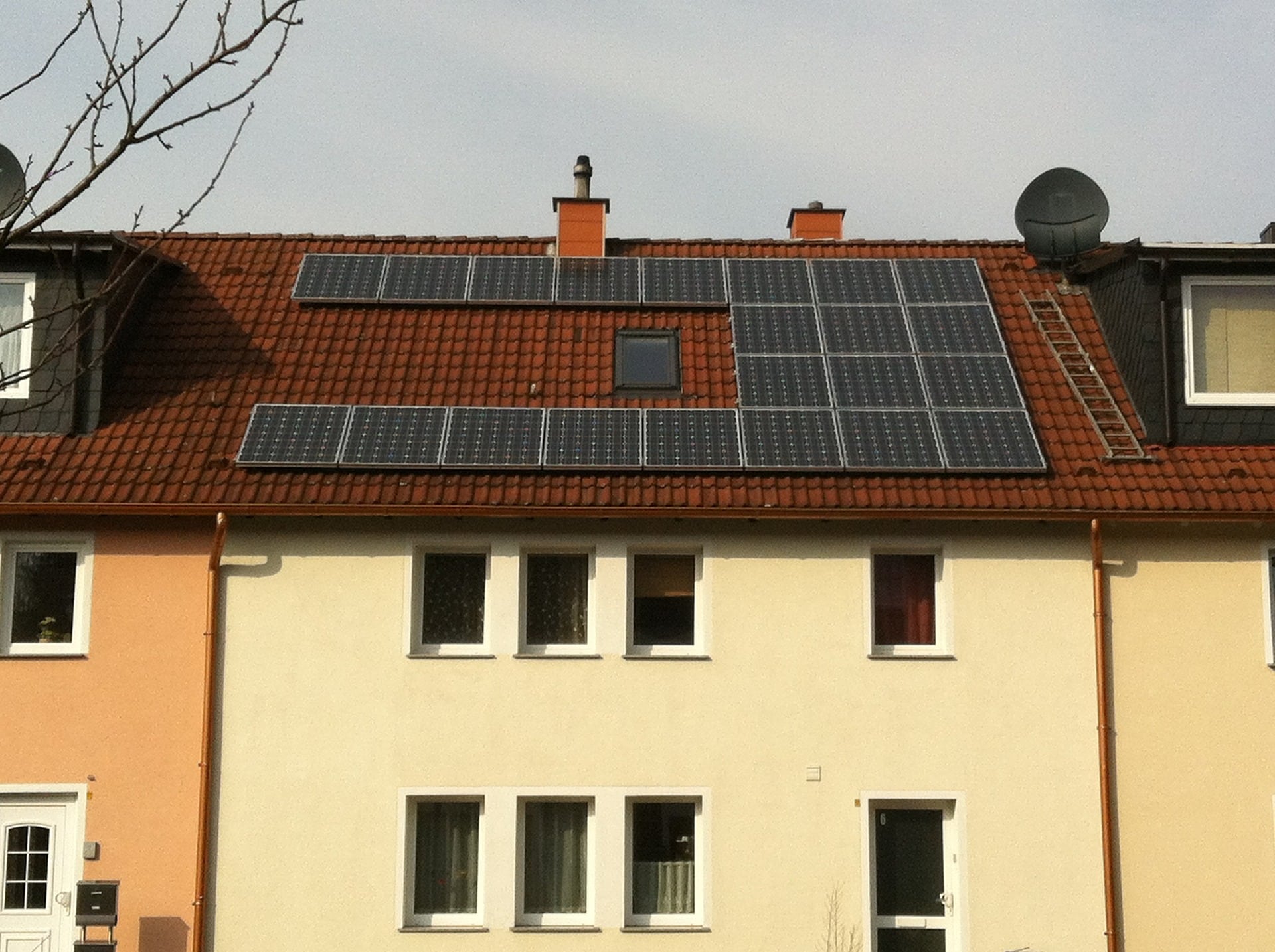
You see it everywhere: the photovoltaic (PV) system on the roof. Whether on new buildings, (core) renovated buildings or the privately installed panel on the balcony. Self-consumption of the electricity generated from PV makes particular economic sense:
While the feed-in tariff for electricity fed into the public grid was around 50 cents per kWh in the 2000s, it is now less than 7 cents. The trend shows that this amount will continue to fall.
Heating with infrared makes ecological and economic sense, especially in combination with a solar heating system. Use surplus electricity for your own needs instead of feeding it into the public grid at low cost.
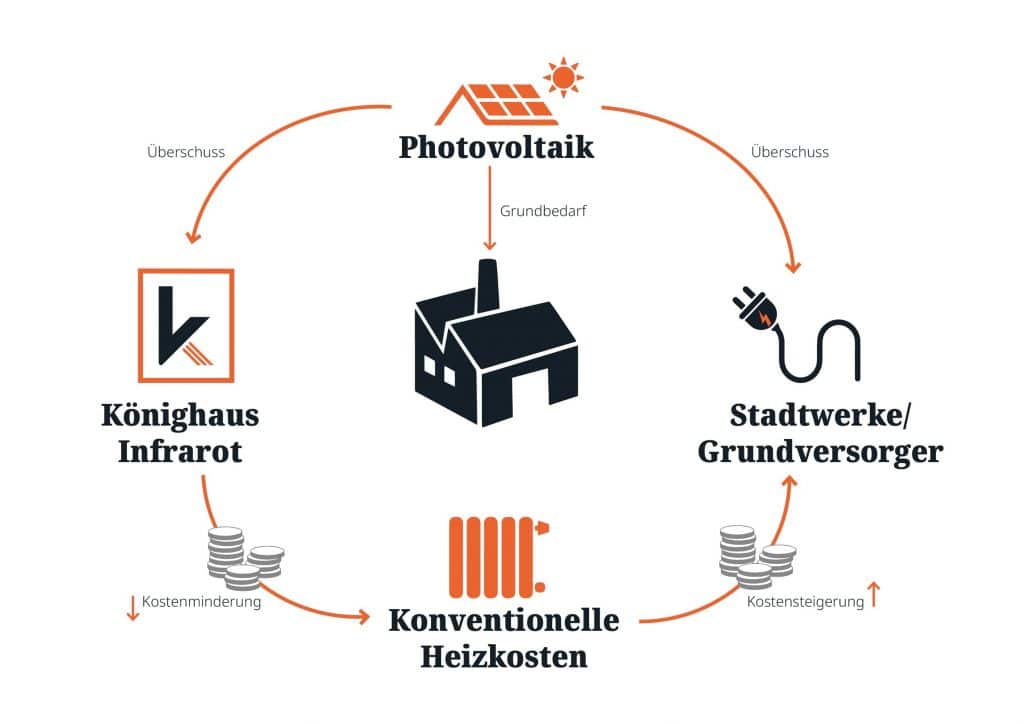
Even if infrared heaters are not the sole means of heating in a property, they are also ideal as supplementary heating. The auxiliary heating option is particularly useful in the transitional seasons. In other words, when it starts to get cool in the mornings and evenings. Infrared heaters provide heat locally and efficiently without having to switch on the central heating.
Low purchase and installation costs
The purchase
Infrared heaters do not require a water-bearing pipe system. There is also no need for maintenance and repair work.
Low-wattage infrared heaters are available for around 100 euros each. Compared to a very efficient water-to-water heat pump, the purchase costs here are in the lower five-figure range. Other costs include installation, drilling, well construction and the water-bearing pipe system. The bottom line is a tidy sum.
Here you will find a comparison of the two heating systems: Infrared heating or heat pump: economic consideration.
The installation
The wall or ceiling installation of infrared heaters can be carried out by a tradesman (or even a private individual) and does not require any specialist knowledge.
No maintenance required
The great thing about infrared heaters is that they require no maintenance. Infrared heaters are durable. This is also reflected in the Könighaus manufacturer’s guarantee of 5 years. Other heating systems require annual routine maintenance. In the best case, everything is found to be working and in the worst case, repair work needs to be carried out. No maintenance work is planned for infrared heaters, which will be added to the “running costs” account.
Easy replacement
If a replacement is required despite the durability and Könighaus “made in Germany” quality, this can be carried out quickly and easily. A replacement can take place, for example, after many years of intensive use or if an infrared heater with a different output (watts) is required.
No risk of burst pipes
Infrared heaters are powered by electricity. They are either connected to the mains via a Schuko plug or, in the case of ceiling heating, connected via direct cabling. As no pipes are required, there is no risk of burst pipes or water damage.
Unobtrusive design
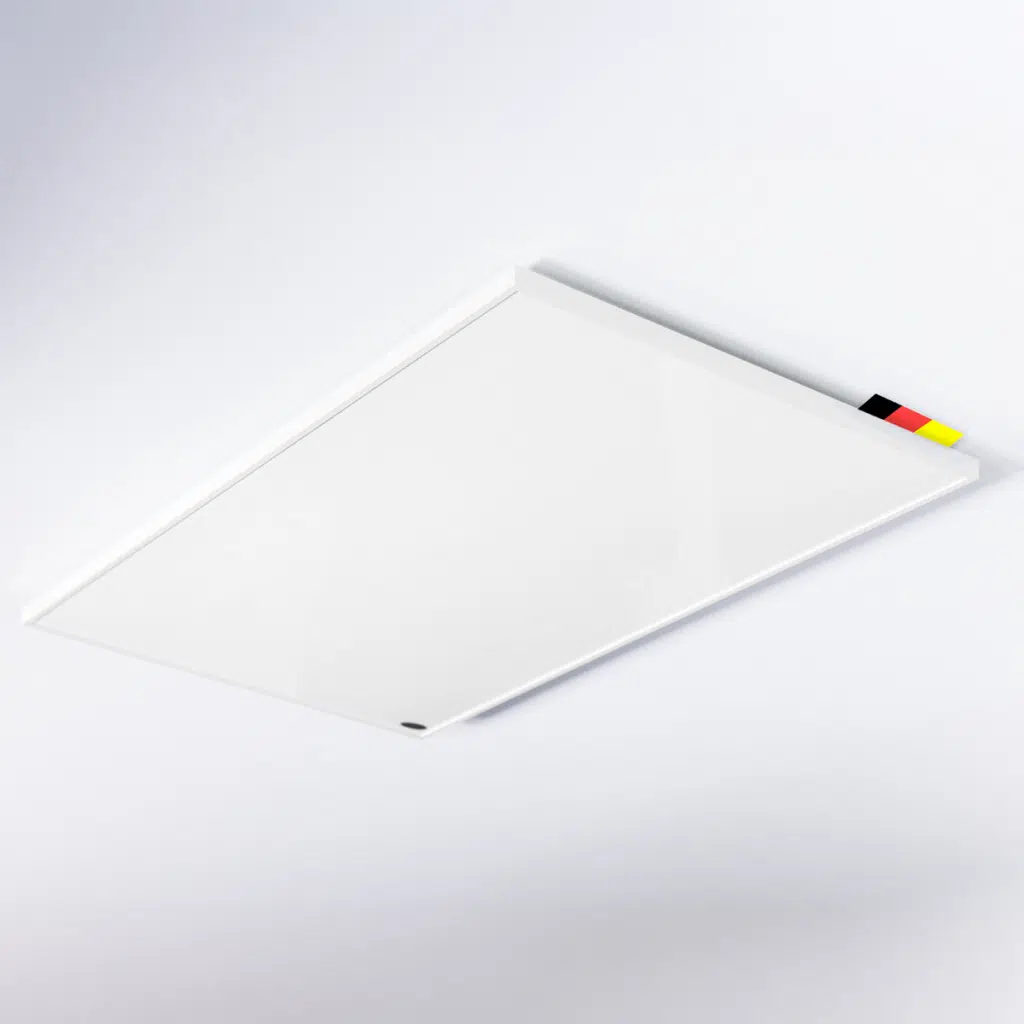
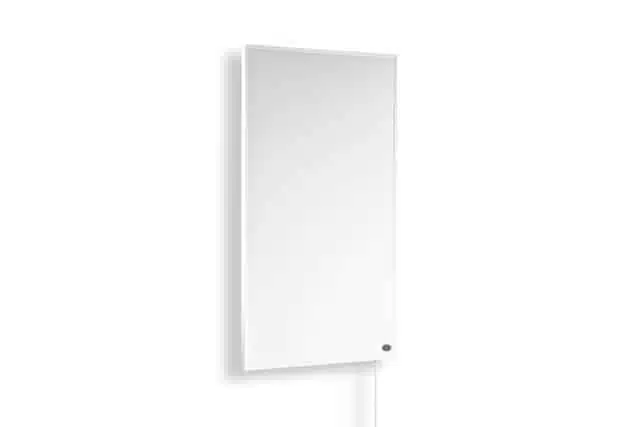
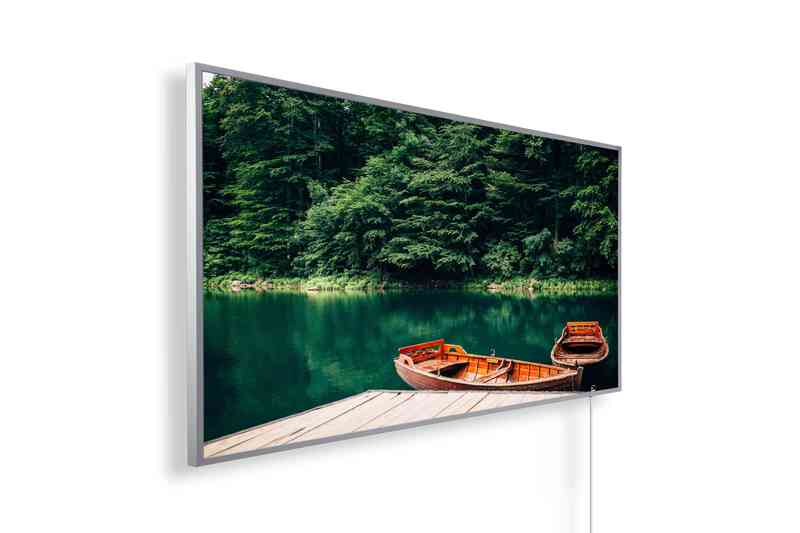
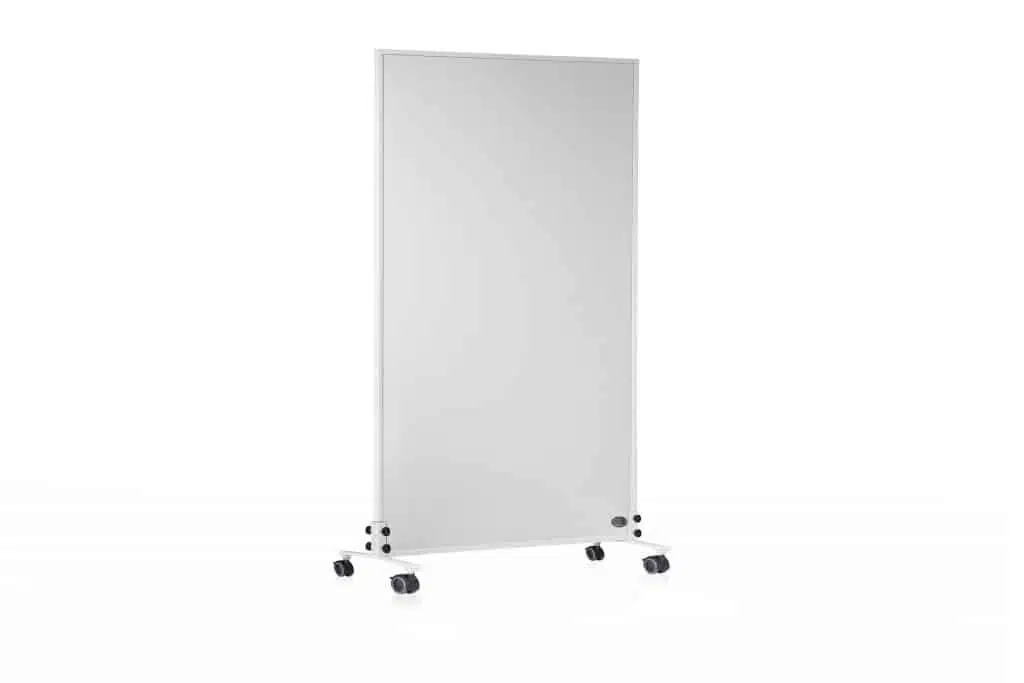
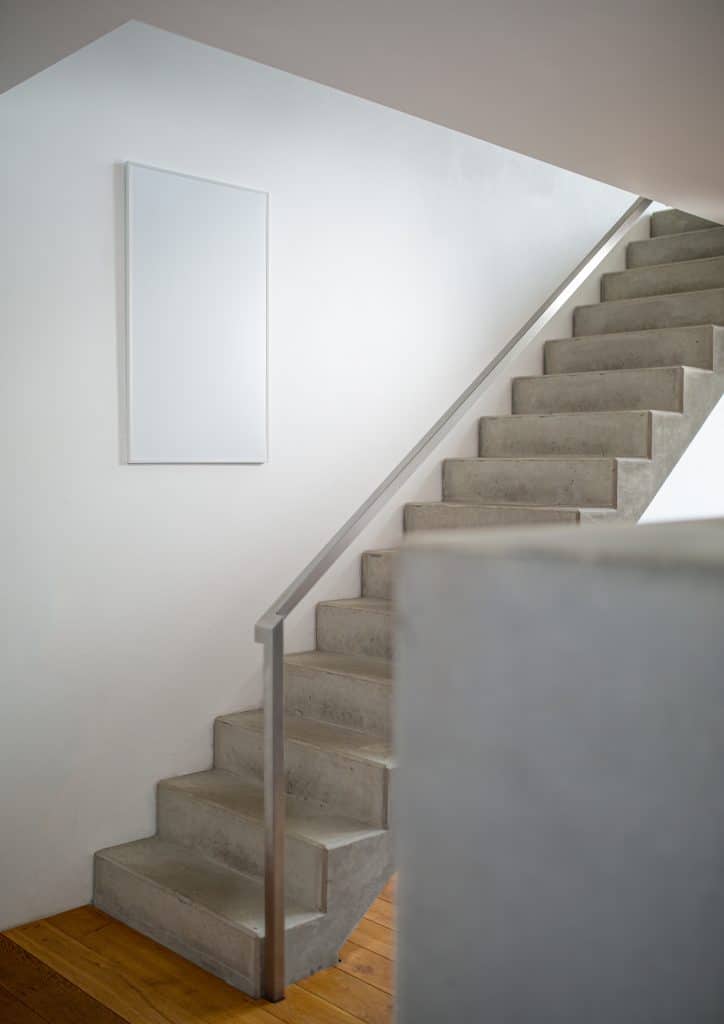
Infrared heaters are “noticeably invisible”. The white P-series in particular nestles inconspicuously against the wall. The heat is pleasantly distributed without the infrared heater taking up any space. However, infrared heaters are also available in glass or mirror construction and combine function and design. To install the infrared heater even more discreetly and particularly efficiently, we recommend the M series, our ceiling heater.
Conclusion
In combination with a PV system, infrared heaters round off the attractiveness of an energy-efficient property. A further milestone towards a self-sufficient energy supply has been set. The building project is therefore future-oriented. Risks such as rising energy prices for operating a heating system are reduced. Fluctuations in pricing on the energy market or possible shortages become a minor matter. Another plus point from the client’s point of view is the low purchase and installation costs.
If you have any questions about heating with infrared, our friendly customer service team will be happy to help and advise you. Do not hesitate to contact us. We look forward to hearing from you!