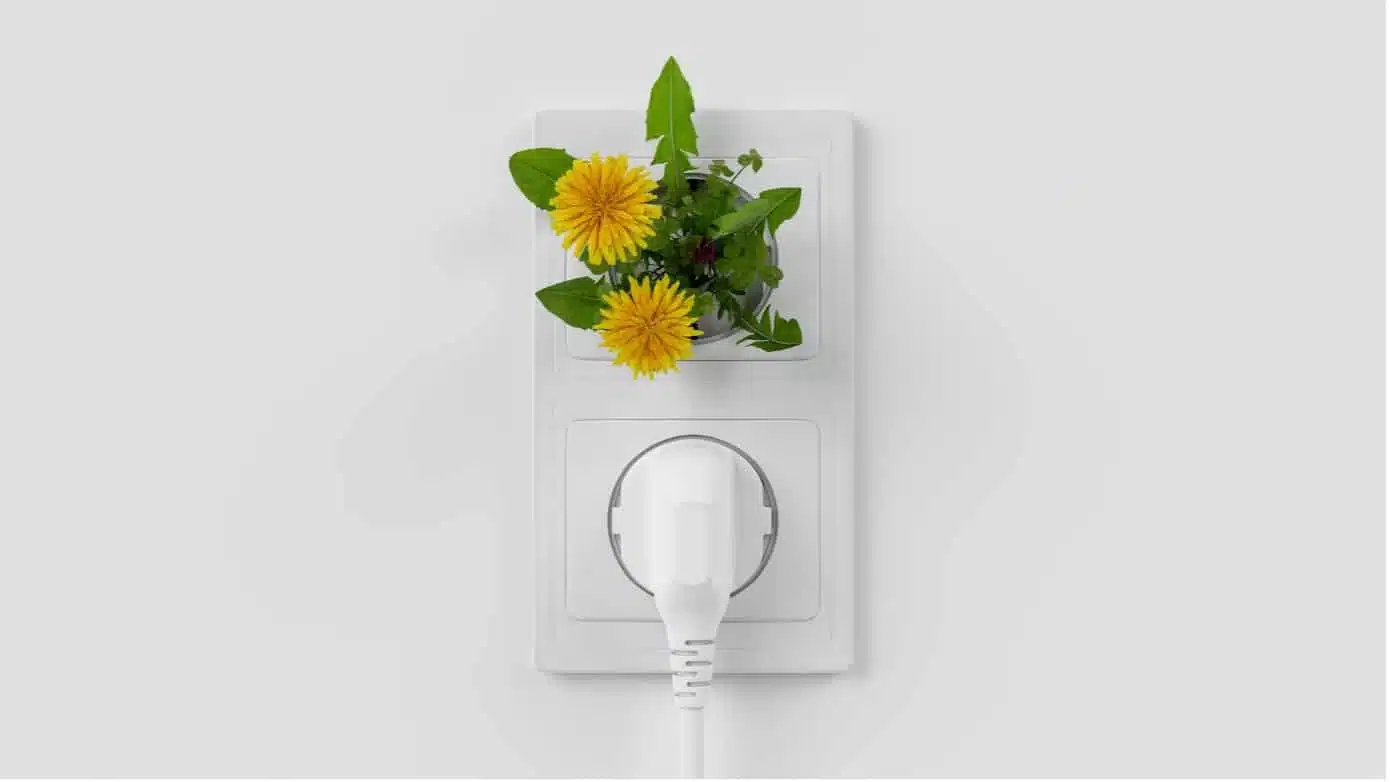
Like us humans, many houseplants suffer from dry heating air in winter. For us, the effects are often dry skin, irritated conjunctiva in the eyes and a dry nose. But what about plants? We explore this question in our latest blog post. Here we go!
Why have plants in the home at all?
Before we turn our attention to the subject of heating air, let’s first ask ourselves the fundamental question: why put plants in the home at all?
Green is good for you. In the last two years in particular, during the coronavirus pandemic, we have all become aware of how important it is to be able to exercise outdoors in nature. A study at the Max Planck Institute has shown that “nature has a positive influence on brain regions involved in stress processing.”(1) These effects can be seen after just a 60-minute walk. So it’s no wonder that we long for some greenery in our own four walls too. Especially in winter, when everything outside is gray in gray, the gardens are dreary and the concrete is even more forbidding than usual, we all long for a little color and warmth.
What effects do houseplants have on our health?
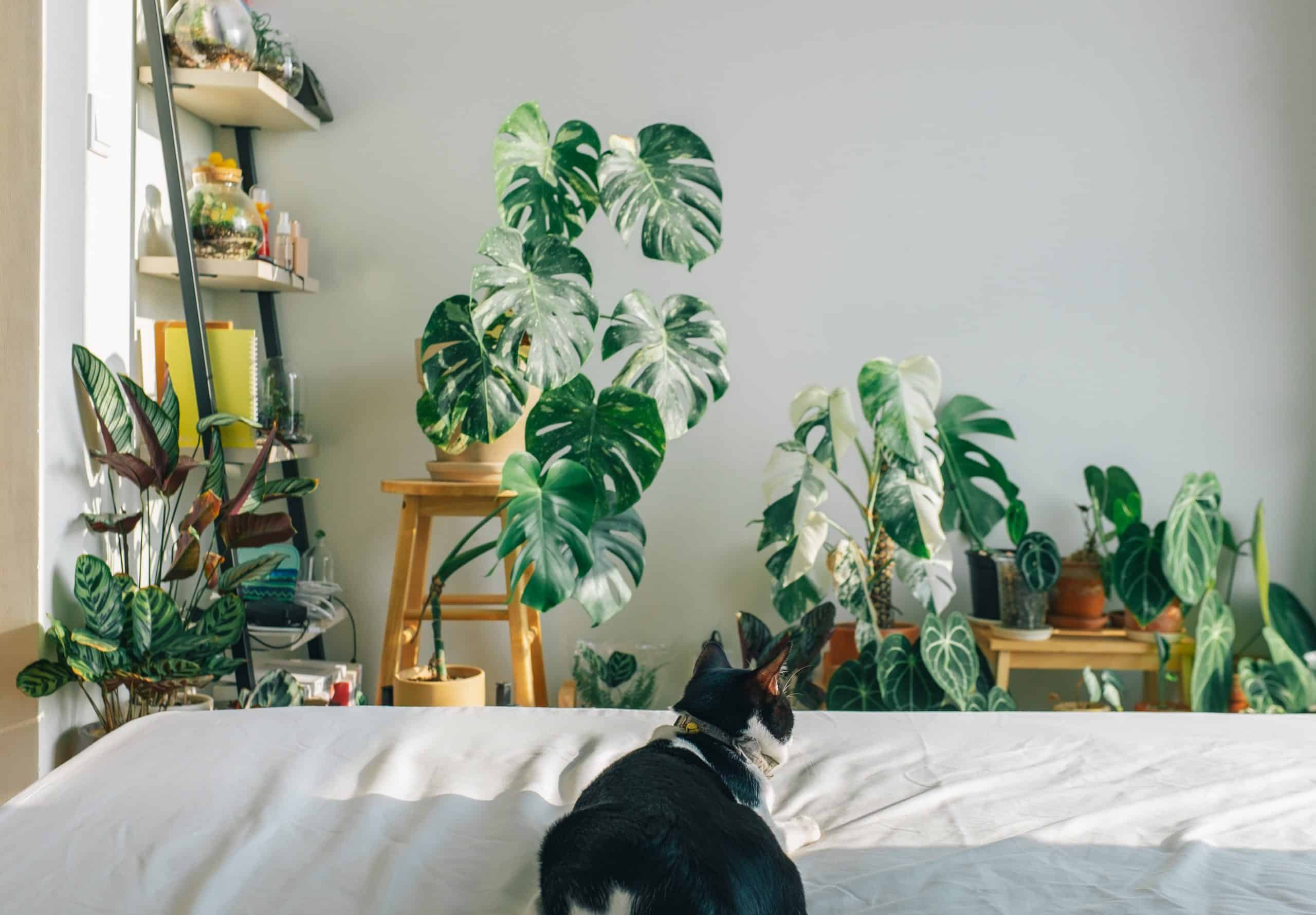
When plants get a lot of sun and water, they produce a lot of oxygen. This is because green plants use the chlorophyll in their leaves to convert carbon dioxide (CO2) into oxygen, among other things, with the help of sunlight. This is called photosynthesis. As a result, they improve the indoor air, collect harmful substances from the air and can even capture fine dust from printers with their leaves. But that’s not all. As plants release 90 percent of the water they are watered with back into the room during the day, they help to protect our airways from drying out, especially in the cold months, and thus prevent colds and coughs. Plants such as Cyprus grass, aralia or indoor lime are well suited and recommended as humidifiers.
A good indoor climate plays a particularly important role in the bedroom. Good sleep is essential for our well-being and health. As we spend on average a third of our lives sleeping, it makes sense to focus on this room in particular. As photosynthesis is no longer active in most plants at night and they therefore release carbon dioxide, there are plants such as the true aloe, bromeliad or orchid that absorb carbon dioxide overnight.
In addition, studies show that the blood pressure of hospital patients who have a plant in their room or a view of a park area falls by up to five millimeters of mercury (mmHG) on average.(2)
Plants in the office?
Absolutely! Because plants in the office not only provide fresh air and lift the mood, they even improve your work performance. The improved indoor climate means you can concentrate better and make fewer mistakes. If that’s not an argument for lots of greenery in your workplace …
Plants also have a relaxing effect. Try it out: if you walk around your home after a stressful day at the office, water your plant, remove brown leaves, dust your plant with a cloth or simply take a close look at it and discover changes, you will involuntarily switch off, relax and feel better afterwards. Guaranteed!
Plants against depression
Plants not only look beautiful, they also help with depression. Just looking at a plant makes it easier to cope with difficult situations. Because gardening has a demonstrably positive effect on our immune system. Blood pressure drops and the sounds of nature, such as the buzzing of insects or the rustling of leaves, have a calming effect on us. These effects can also be observed when dealing with houseplants. By spending time with plants, caring for them and “having to look after them” – just like with a pet – we develop a sense of responsibility and a helpful routine. Don’t stay in bed, get up, structure your daily routine and take time for yourself.
But what can we do if the plants are not doing well? We look at this question in the next chapter.
Attention – dry air!
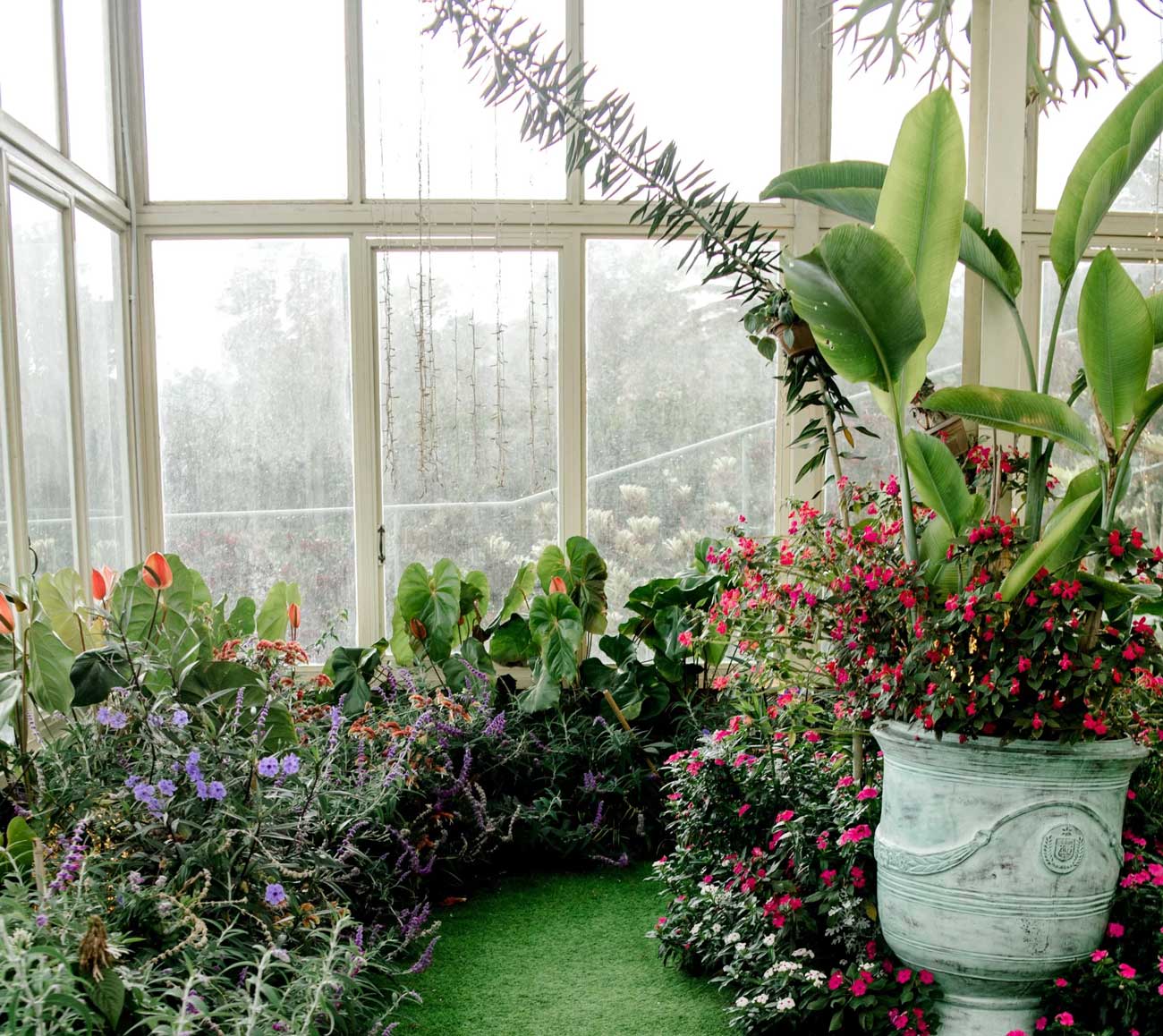
In winter, not only do we humans and plants lack light, but we all suffer from dry heating air. With conventional heating systems, the cold room air is heated and rises. The rising air, which is often far too warm, deprives the plant of the important moisture it needs to grow and thrive. Even though many plants need a warm place, it is not advisable to place them directly above the heating. Alternatively, you can place your plants on shelves or cupboards so that they are not directly exposed to the warm air from the heater. Or place sensitive plants in a cooler room during the winter.
In addition to the location, the care of the plants is also important with conventional heating methods. This is because the warm heating air dries out the plants’ soil in the long term. It helps to ensure that the soil is always well moistened and to spray the leaves with water from time to time to prevent them from drying out. As many plants are particularly sensitive in winter, you can also do your plant some good by regularly wiping the dust off the leaves with a damp cloth.
Are there alternatives?
Yes, they do exist. Because instead of heating your rooms with conventional heaters, you can use infrared heaters as an alternative. The operating principle of an infrared heater is easy to explain, because even if you can’t see the rays, you can feel them. Imagine you are standing on a mountain peak, it is cool and slightly cloudy. When the sun comes out from behind the clouds, you immediately feel warmer, even though the air temperature has not changed. Infrared rays initially heat people, objects and surfaces in the room without first heating up the surrounding air. The heated objects then transfer the heat to the room air. The heat is distributed evenly throughout the room and the absence of air turbulence means that fine dust pollution is lower than with conventional heating systems.
Thanks to infrared heating, the air is more pleasant and not as dry as with conventional heating systems. Not only do you benefit from this, but your plants will thank you too. You can find more advantages of infrared heating in this article.
A little tip: if you have a conservatory, infrared heating may also be the right heating system for you. This is because this heating system can be retrofitted easily and inexpensively. In addition, an infrared heater reaches operating temperature in 2-4 minutes, which means that you can protect sensitive plants from cold damage in the event of sudden drops in temperature without them drying out. Is your conservatory not that big? No problem at all, because an infrared heater is very space-saving and can either be mounted on the wall or used as a free-standing unit on castors. This gives you flexibility and allows you to use the heat where you need it.
Conclusion
Plants need special care, especially in the cold season. The dry air from conventional heating systems is just as hard on them as it is on us humans. This is where infrared heaters can help, as their direct heat warms the objects in the room rather than the room itself. This ensures an even and pleasant temperature throughout the room. And without any annoying air turbulence. So you’re not only doing something good for yourself, but also for your plants.
Want to know more?
We are delighted if we have been able to show you new aspects of infrared heating. There is a lot more exciting information to discover. Take a look at our latest article on house dust mites and allergies. Or are you interested in the articles about sustainability on the Internet? Just visit our blog regularly – it’s worth it!
If you have any further questions, our friendly customer service team will be happy to help you – by phone, email or chat. We look forward to hearing from you.