What exactly does “smart” actually mean? What structural differences are there in the design of smart homes? How smart are Könighaus infrared heaters actually? We take a closer look at these topics in this article. We also show a few insights from our app. Guaranteed smart heating.
What does “smart home” actually mean?
Translated, “smart home” means intelligent living. Similar terms such as “smart living” or “building automation” are also used synonymously. Incidentally, the German word “Automation” is derived from the Greek word “automatos”. A smart home can therefore be understood as a building that functions on its own. The primary goals are to increase comfort, efficiency and cost-effectiveness. People in need of assistance in particular can benefit from an intelligent home.
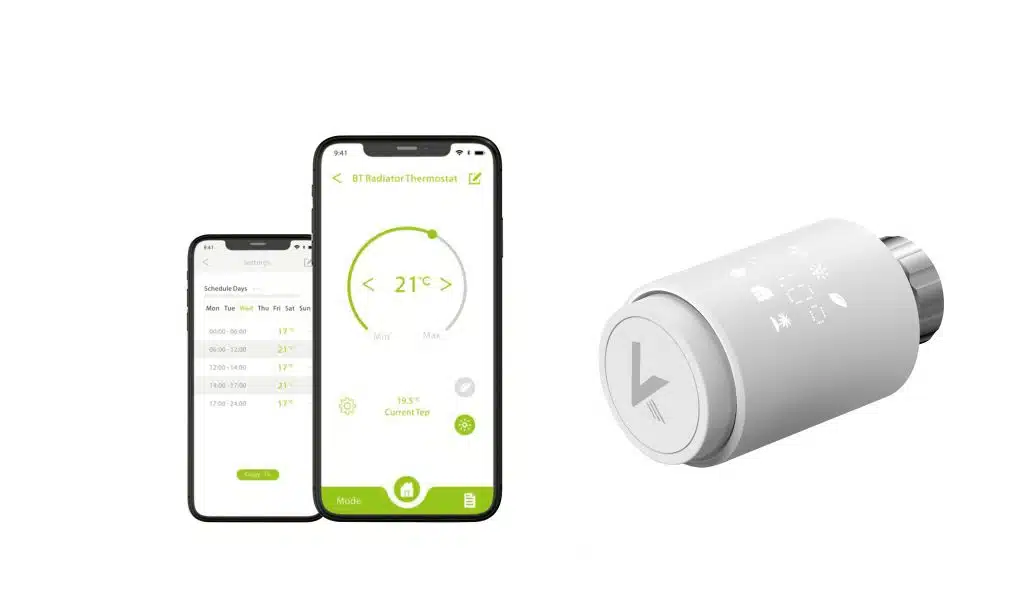
Within a smart home, your devices communicate with each other (centrally or decentrally). It is not absolutely necessary for you to be at home. The devices usually communicate wirelessly via radio, WLAN or Bluetooth. In new builds, some of the smart technology is wired to prevent an overloaded network. The smart home can be controlled via an app. Most manufacturers offer a version for iOS and Android. (The “Könighaus Smart Home” app is also available for both operating systems).
Link to the Könighaus Smart Home App – Apple App Store
Link to the Könighaus Smart Home App – Google Play
Why are more and more people opting for smart living?
Smart home-enabled devices are becoming increasingly popular. Be it smart lighting including the setting of user-defined color tones. The doorbell with camera at your front door, which tells you who is at the front door even without a peephole (even if you are not at home). The lawnmower that takes care of your garden and so on. But why is that actually the case?
First of all, smart devices are practical. They are designed to simplify your life, because we are all individualists and everyone’s everyday life is (at least a little) different. Smart home-enabled devices are a great helper when it comes to managing your everyday life and, above all, your own electricity consumption. Achieving personal energy efficiency is reflected in the monthly electricity bill and is also good for the environment. Only consume when you really need it.
Are Könighaus infrared heaters smart?
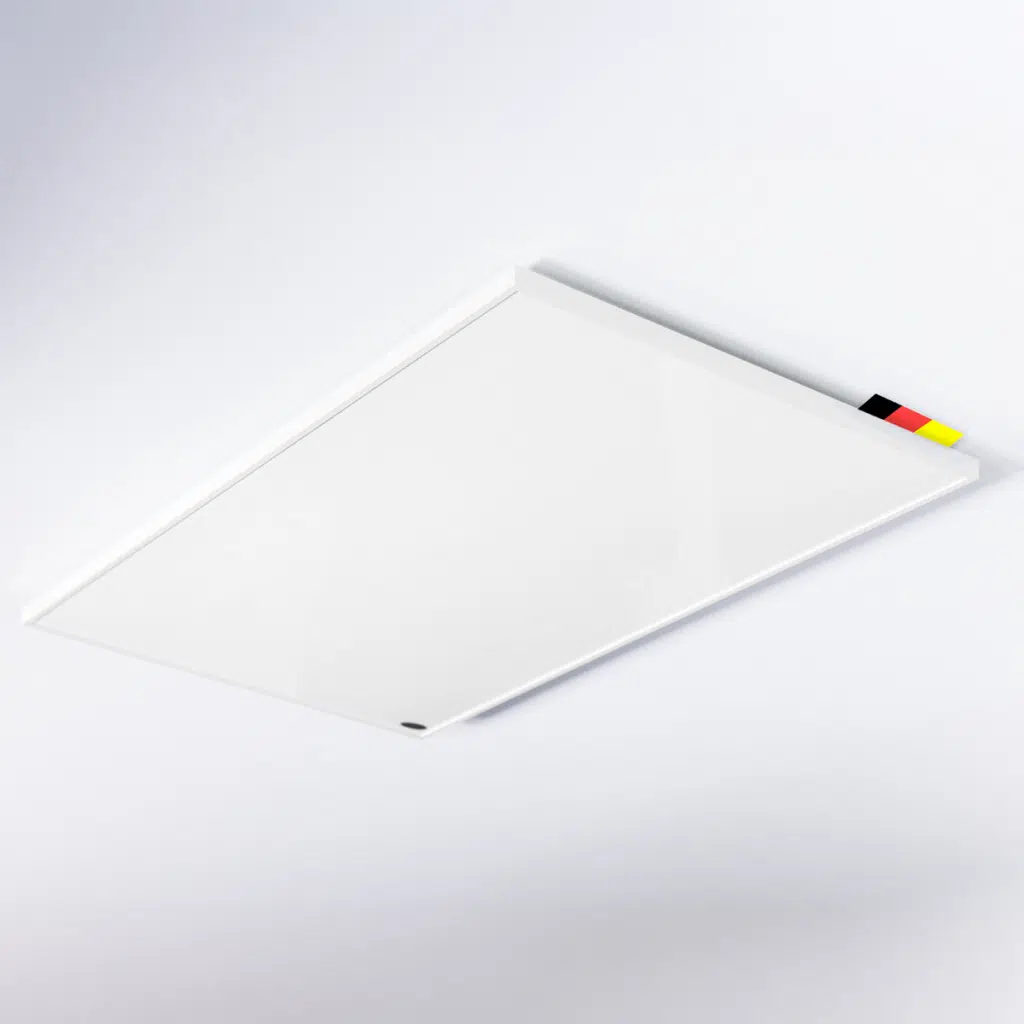
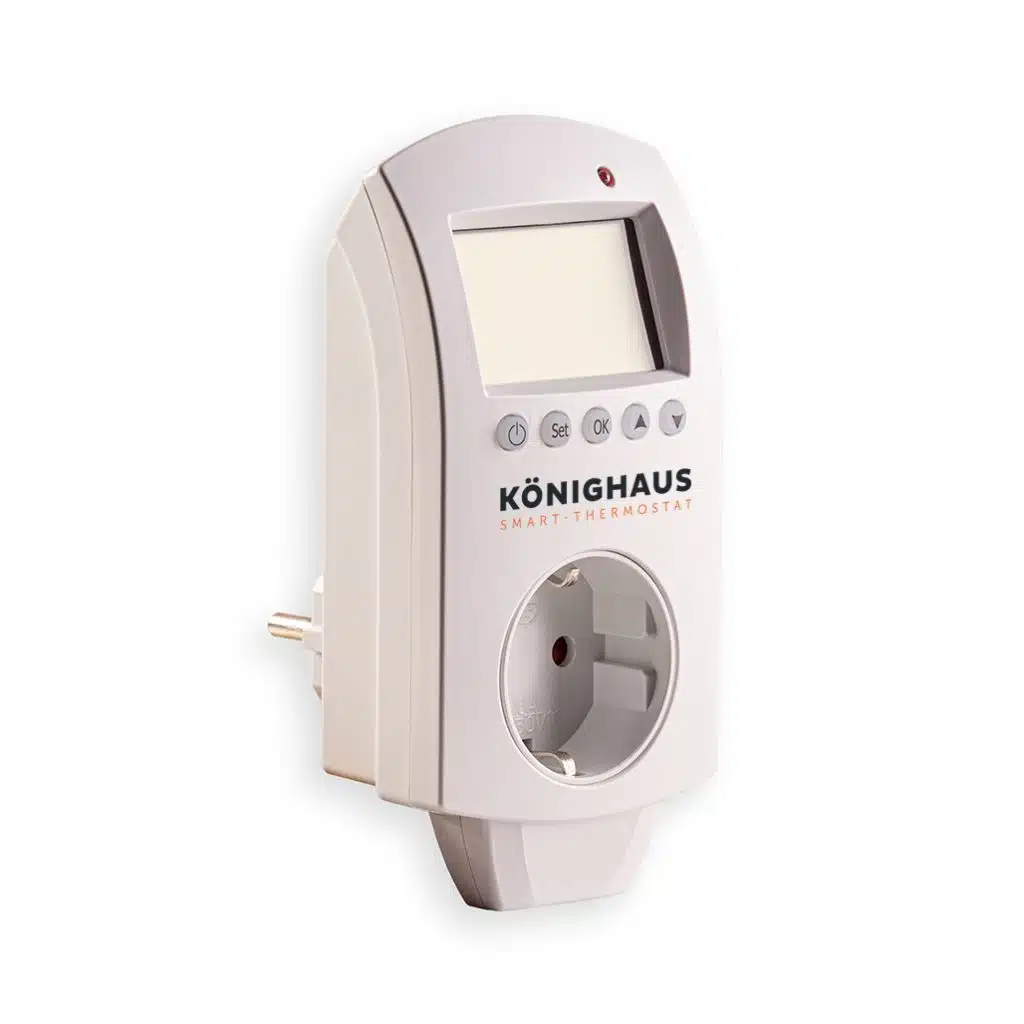
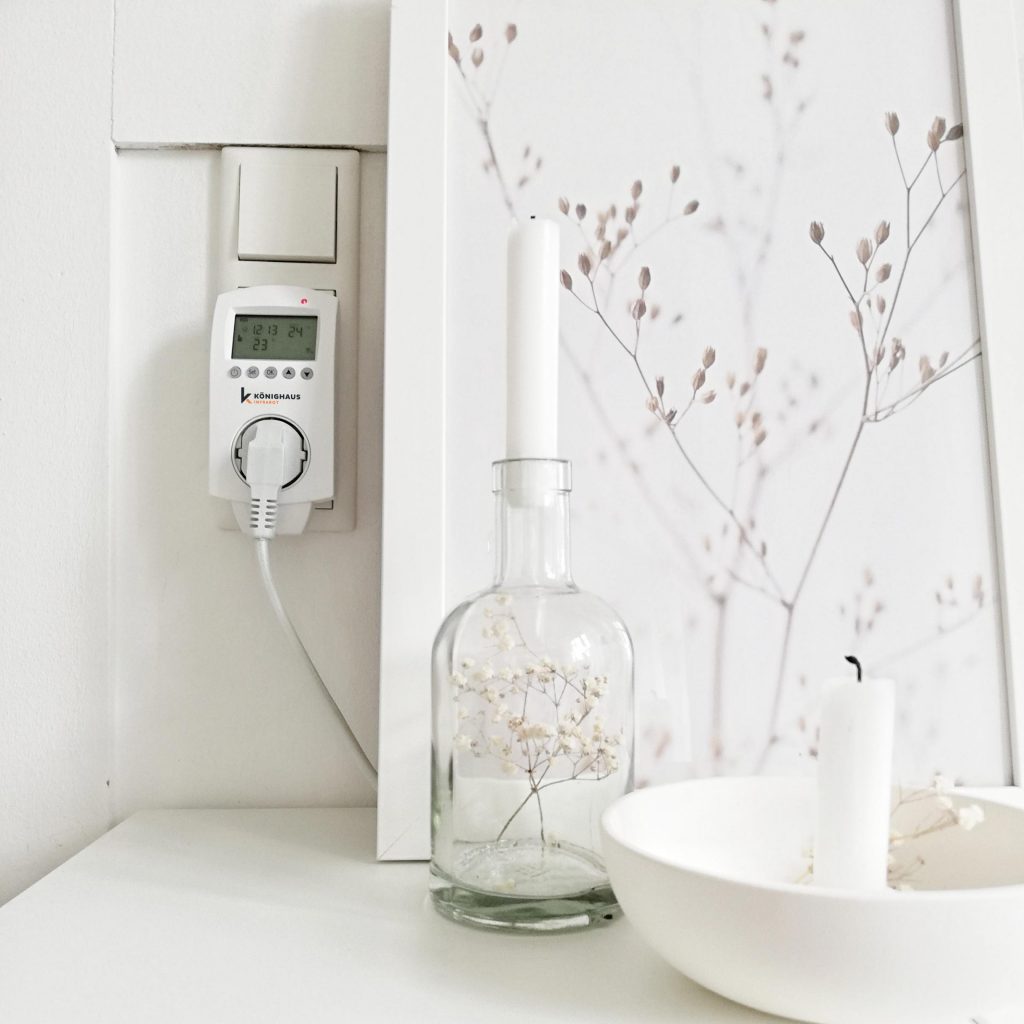
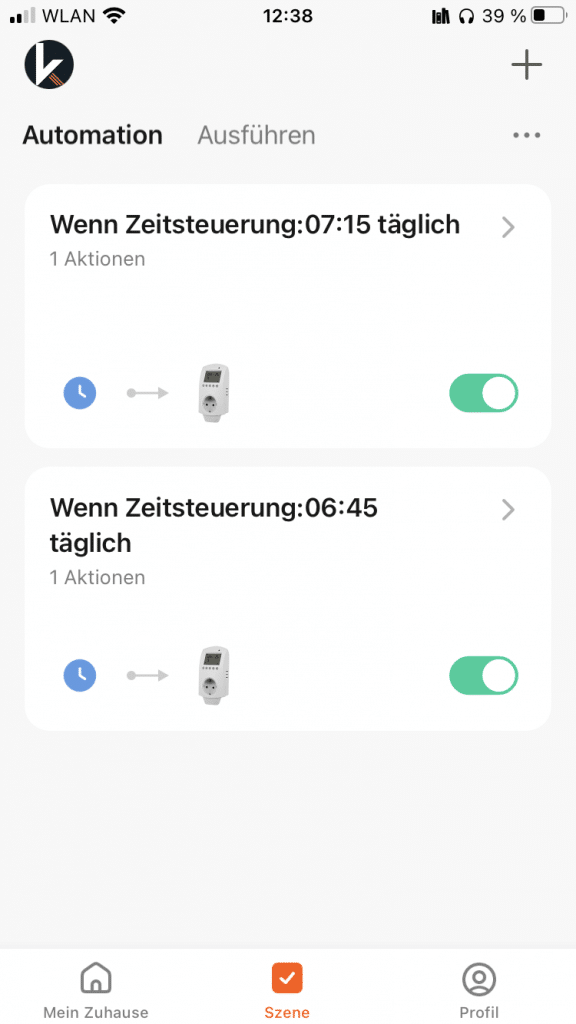
Yes, you can use any Könighaus infrared heater with a Smart Thermostat. The main advantage of this is efficiency, because you can set your own personal schedule. Are you in the bathroom at 7:00 in the morning? Then start the heating at 6:45. Looking forward to a cozy, warm living room after coming home from the cold? You don’t have to leave the heating on all day (anymore). Simply factor your return into your heating schedule.
Centralized and decentralized smart home
Let’s take a closer look at the difference between a centralized and a decentralized smart home. How are the two systems structured and what are their advantages and disadvantages?
In general, there are sensors and actuators. The sensors are responsible for the measurement. For example, for measuring the temperature. The measured variables are converted into electrical signals and forwarded to the actuators.
The centrally controlled smart home is characterized by the compatibility of the building technology. Ideally, the individual devices communicate with each other and can therefore be controlled centrally – with one device. The central control can be a display, for example, which shows all the necessary information.
The decentralized smart home, on the other hand, has no central control unit. The sensors and actuators communicate directly with each other. The connection takes place via cable, WLAN or radio. The software is located on the devices themselves to ensure that they can be exchanged.
Conclusion
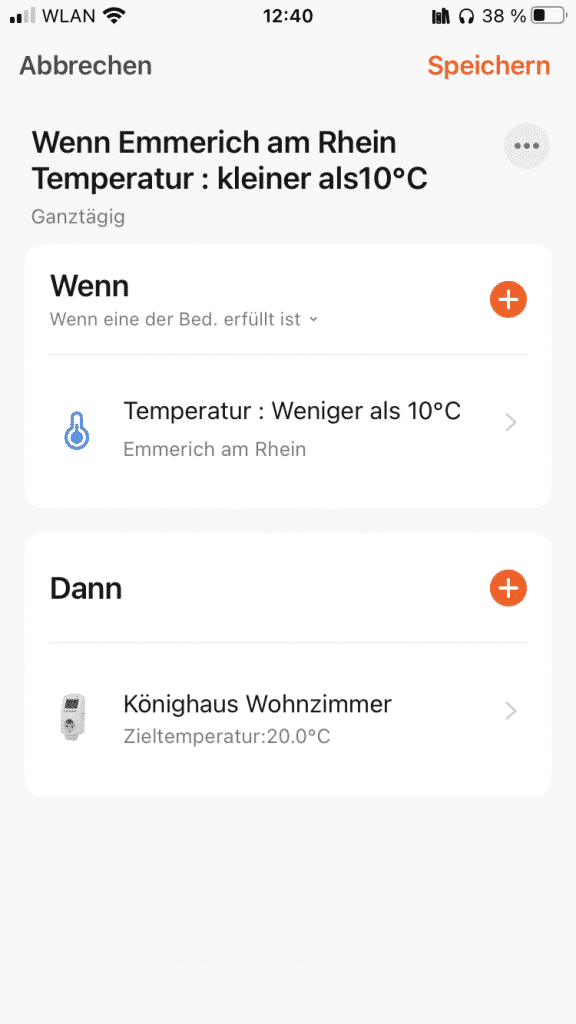
Könighaus infrared heaters can be controlled smartly. With the Könighaus Smart Home app, you can create a completely individual heating plan that works according to specific rules such as time or outside temperature. This guarantees smart and energy-efficient heating.