Unlike camping, a vacation home is accommodation with its own sanitary facilities and kitchen. Guests can spend their vacation here for a certain period of time and for a fee. The number of overnight stays in Germany in 2019 (i.e. before the coronavirus pandemic) was 48 million, and the trend is rising. Many holidaymakers now prefer to stay in a vacation home rather than a hotel. The reasons are flexibility, cheaper offers and privacy.
Perhaps you have recently bought a vacation home or are planning to buy one and are currently considering the following questions: How can you keep a vacation home warm and cozy effectively and cheaply? What type of heating makes sense for a vacation home? How does the heating system harmonize with the limited space available? We answer the most important questions here. Let’s get started.
The vacation home
A vacation home is usually purchased in order to rent it out as often as possible and earn money from it. This means that you need to compile information and statistics on occupancy rates in your region in order to be able to estimate the expected annual income based on the price you set for the overnight stay. Even though vacation homes/apartments are increasingly in demand, the occupancy rate for the majority of vacation properties in Germany averages between 17 and 24 weeks a year. This means that your vacation home is usually rented out on a daily or weekly basis. However, there are also phases in which the accommodation will be empty, often for more than half of the year to be precise. Especially in the colder months, this means that the heating will not be running all the time.
Another important point: you have no access to the heating in your vacation home when it is rented out. This means that you cannot control how sustainably or sensibly your guests are heating. Some people use the heating temperatures sparingly, while others leave the heating on all day and night. You don’t want your heating costs to skyrocket and you don’t want to end up paying for it? Then read on.
Our tips
- Reduce heat loss: Insulate the walls and, if possible, the windows so that you don’t have to heat your home as much, even in the months when it’s barely occupied. Especially in winter, you need to keep your heating running to prevent frost damage to the pipes. The house won’t cool down completely and it will be better protected against mold.
- Don’t skimp on textiles. Houses furnished with carpets, curtains, blankets and cushions create a feel-good atmosphere and change the perception of cold. Your guests won’t feel the need to turn up the heating so quickly.
- Install photovoltaic or solar systems on your home. This allows you to produce electricity independently and use it for your heating.
- Set the temperature on the thermostat to a maximum specified by you. This means your vacation guests can’t turn up the heating indefinitely.
Important to know: In the past, additional costs for final cleaning, water and electricity were usually added to the rental costs, which are calculated per day or week. However, it is now regulated by law that the final prices must be stated directly in order to protect consumers from hidden costs.
Location of your vacation home
Let’s address the question: where is your vacation home actually located? Do you have a house on the stormy Scottish coast, or is it in sunny southern Spain? In southern countries in particular, permanently installed convection heating is generally not required, as the hours of sunshine are considerably higher than in our latitudes. Malaga, for example, is one of the sunniest cities in Europe with an average of 345 hours of sunshine per month.1 But even though it is very warm during the day, in the colder months it gets very chilly, especially in the evening and at night. In Spain, for example, instantaneous water heaters or air conditioning systems with a heating function are most commonly used to heat homes. It also makes a difference whether your home is detached or located in a vacation park where the connections for water, electricity and gas are automatically connected.
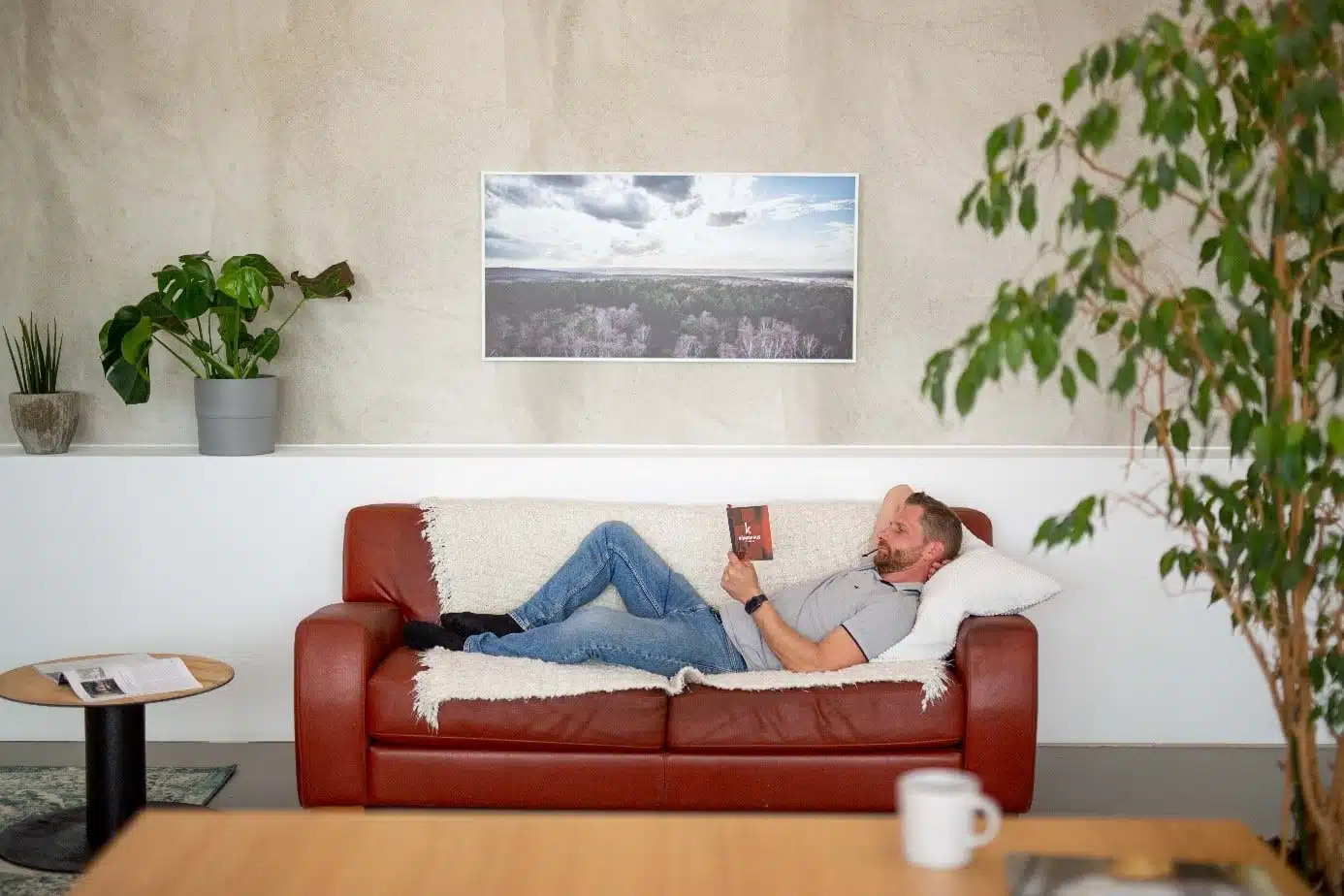
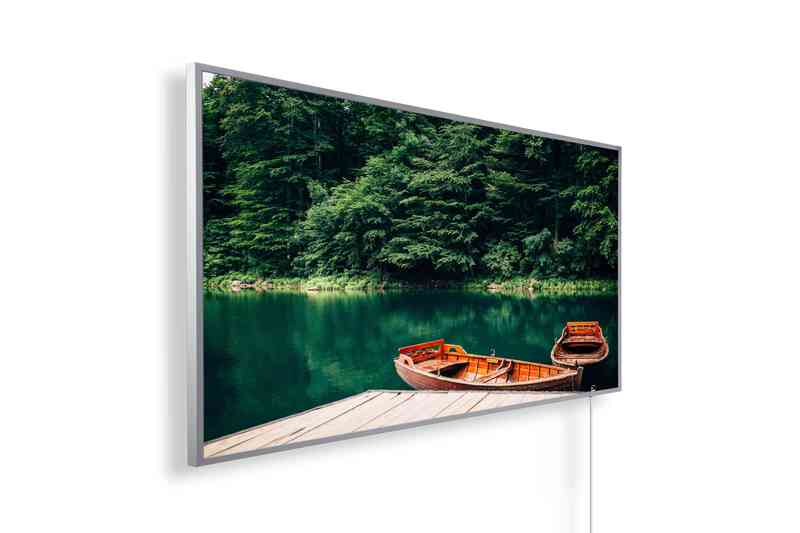
As you can see, many factors play a role in deciding which type of heating to choose. In addition to environmental protection aspects, investment costs for a new heating system and ongoing heating costs naturally also play a decisive role. Especially in times of rising gas prices, the question of the right system arises. For example, the use of infrared heating is ideal for vacation homes, especially with regard to the use of heating. As the houses are not occupied all the time, the infrared heating can be used when it is needed. So you only pay for what is actually used.
Thanks to the way they work, infrared heaters reach operating temperature in 2-4 minutes – they don’t need a long lead time and are particularly efficient due to their direct heating effect. Another plus point: you can use the smart thermostat to control the heating directly from your smartphone via the app, ensuring that your vacation home is already preheated when your guests arrive. Even if you can’t be there in person.
Another advantage of infrared heating: You save on the high installation costs of boilers, pipes and radiators that are required for conventional heating systems. There are also no regular maintenance costs.
Building characteristics and orientation
Another important question: what material is your vacation home made of? Is it a wooden house, as you often see in Scandinavian countries, or is it made of stone? Or is it a mobile home, which are often used in Dutch vacation parks? These mobile homes, for example, are mass-produced – often made of aluminum, but nowadays they are also increasingly seen with exterior walls made of plastic. The building material and insulation have a huge impact on the subsequent heating costs of your vacation home.
Important to know: the orientation of the house alone can save you up to 30 % of the costs for heating and cooling the house. If you are planning to build a vacation home, the majority of the window area should face south and south-west. This way, 76 % of the sunlight entering through the windows is converted into heat.2

The room layout of the vacation home
The room layout in vacation homes is often not that complicated. Many vacation homes (especially those in vacation parks or resorts) are between 30 and 60 square meters in size and have an open kitchen with adjoining living room, 1-2 bedrooms and a bathroom. You can use the infrared heaters to regulate the heat in the individual areas – firstly by positioning the heating temperature control. For example, the temperature in the bedroom is between 16-18°C for optimum sleep. In contrast to the living room, which should have a temperature of around 20°C. You can find detailed information about placing the infrared heater on the wall or ceiling here. However, it’s not just about heating, but also about ventilating the rooms correctly. In this article you will find useful information about ventilation.
Conclusion
Heating in vacation homes is an extensive topic. Think in advance about when and how you want to use the vacation home, what the desired occupancy rate is and what you can invest. How flexible should your heating system be, what are your guests’ needs? Will you mainly rent out the house in the summer months and use it yourself in winter, or will it be on offer all the time? It is important that you answer these and other questions in advance so that you can then take targeted action and the house meets your wishes and preferences.
Want to know more?
We are delighted if we have been able to show you new aspects of infrared heating. There is a lot more exciting information to discover. Take a look at our latest article on stress – strain on the body and mind. Or are you interested in the articles about lignite? Just visit our blog regularly – it’s worth it!
If you have any further questions, our friendly customer service team will be happy to help you – by phone, email or chat. We look forward to hearing from you.