We need sleep to regenerate from the day. Regeneration for the body, but also for the mind. On average, we spend a third of our lives sleeping. This makes it all the more important to make it as pleasant as possible and to get the most impact from it. In this article, we would therefore like to take a look at what restful sleep actually is. And above all, if you don’t currently find your sleep restful – what can you do? To do this, we will look at the optimum temperature and the right pillow and, of course, a few other aspects.
Definition of “restful sleep”
Let’s start by addressing the question of when we actually talk about restful sleep. You have probably already heard that there are different stages of sleep. In some you sleep more lightly and in others more deeply. The same applies to dreaming. We dream more in certain stages than in others. If the different sleep stages follow one another without interruption, then we speak of restful sleep.
Sleep is not perceived as restful if the period of falling asleep is exceptionally long. This is because the alarm clock will ring in the morning, regardless of whether you were able to fall asleep the night before. Excessive sweating during sleep can also affect the quality of sleep. In this article, we would therefore like to give you a few useful tips and tricks to help you get a good night’s sleep. Starting with the optimum room temperature, through to correct ventilation and a suitable pillow for your sleep type.
5 tips for you
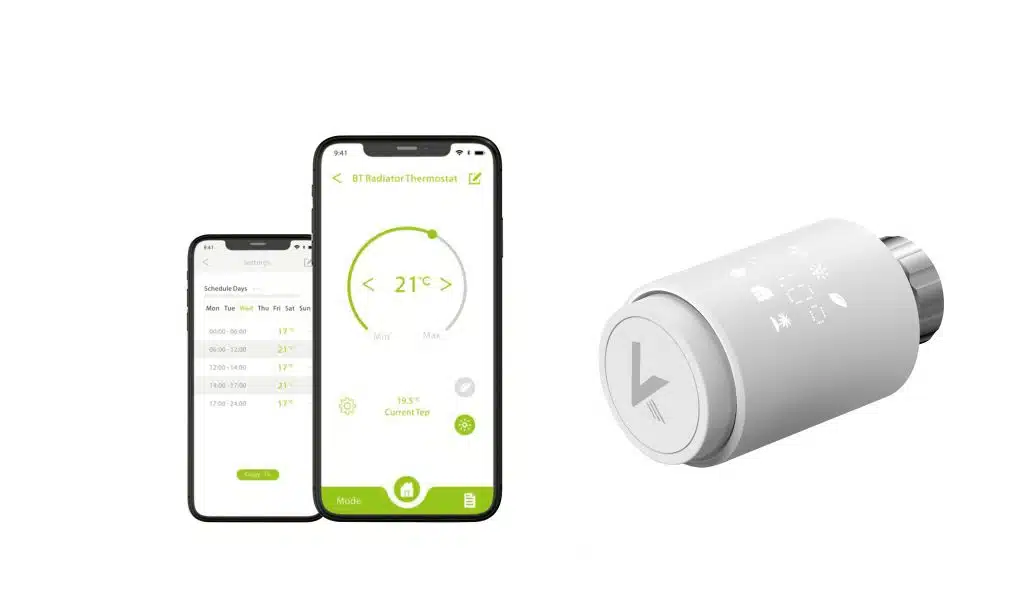
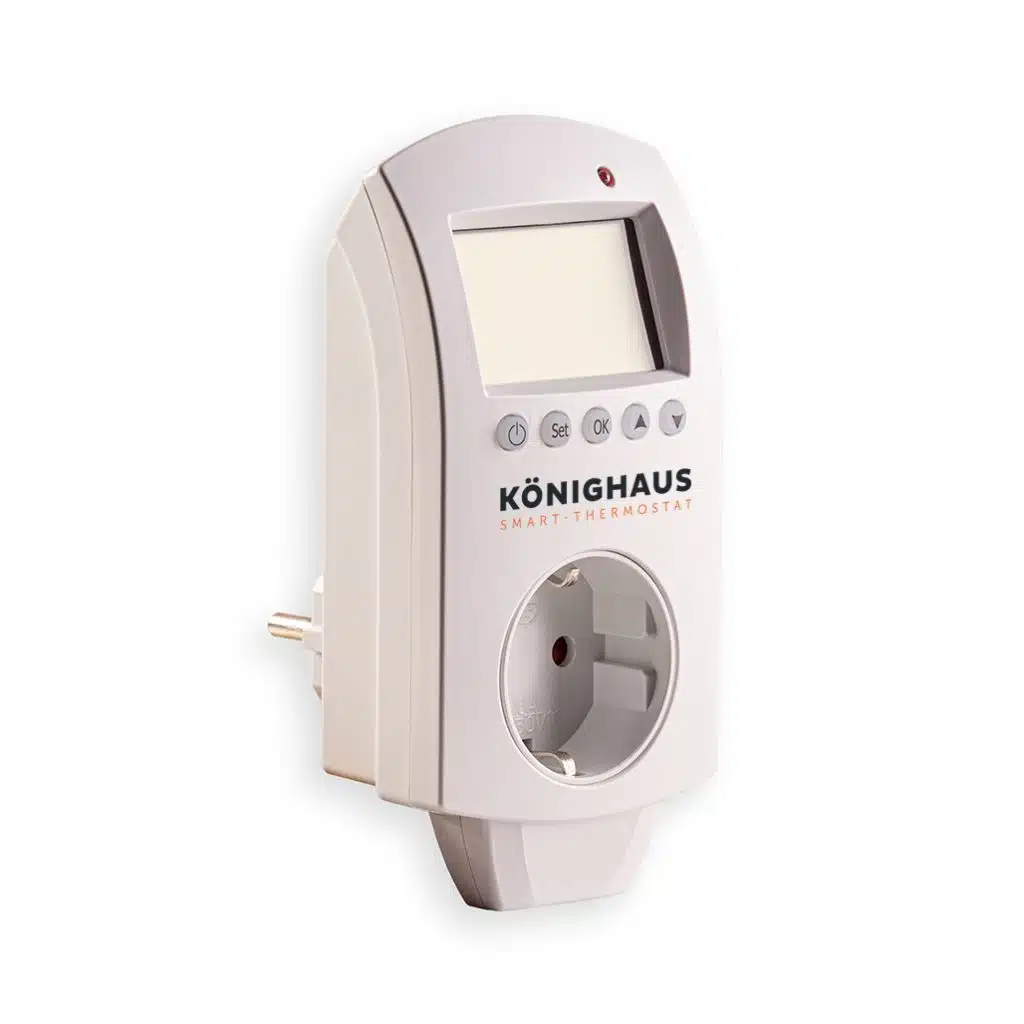
- Temperature in the bedroom: For the body, a drop in temperature is a signal to fall asleep. Body heat is dissipated via the extremities, i.e. arms and legs. It is important that they are well supplied with blood. If this is not the case for you, you can stimulate your circulation with a massage ball. Ideally, your bedroom should therefore be the coolest of your living spaces. You are well positioned with a temperature of around 17 °C. A thermostat will help you to maintain this temperature. If you have problems falling asleep, a hot bath beforehand can help. This is because your body temperature rises during the bath and then drops again afterwards. Similar to going from a warm living room to a comparatively cool bedroom. Sleeping “too warm”, on the other hand, also promotes vivid (fever) dreaming. You toss and turn and also sweat more. So remember: a room temperature that is too warm can lead to restless sleep. Use a thermostat to ensure that your room temperature is between 15-19 C°.
- Ventilate regularly: Correct heating and ventilation are two different things. High humidity provides a welcome climate for mold spores. Rising humidity is encouraged by our natural breathing. Sufficient ventilation is important to counteract this. In summer, tilt the window or even open it completely while you sleep. In the colder months, ventilate the room before and after going to bed to remove the damp air. For restful and healthy sleep, it is therefore essential to make regular ventilation and optimized heating a ritual.
- Sufficient sleep: Once you have created the right room climate in your bedroom, it’s time to consider how long you sleep. Your body’s need for rest is individual and strongly dependent on your age. While the daily sleep requirement of a newborn is between 14-17 hours, an adult needs 7-9 hours of sleep. The need therefore decreases with increasing age. The consequences of too little sleep are poor concentration, a weak immune system and emotional imbalance. Make sure you allow yourself enough time for sleep. Calculate backwards: When do you have to get up in the morning? How much sleep does your body need? And how long does it take you to fall asleep? This will help you find your ideal bedtime.
- Your pillow: Our spine is put under strain during the day. For example, from slouching at work. When we sleep, we therefore want to relieve our spine and give it space to regenerate. The supine and prone positions are particularly good for this. In many cases, a pillow is not even necessary. However, it is important that there is no overstretching. If this is the case, you can provide support with a pillow and counteract overstretching. A pillow is particularly important for side sleepers. Overstretching occurs due to the sideways position and the dropping of the head. You can counteract this with a pillow especially for side sleepers. Of course, you don’t have to wait until night time to relieve your spine. You can also do something good for it during the day. Equip your workplace with a height-adjustable desk so that you can spend more time standing up.
- Smartphone use: There are blue light receptors in your eye. These control how awake or tired you are. LED screens emit a lot of blue light. Avoid using them (if possible) just before you go to sleep. If you do need to check your cell phone briefly before going to sleep, e.g. to check the room temperature in the “Könighaus Smart Home” app, then set the night shift mode. This ensures that the blue light is reduced. This setting can improve the quality of your sleep.
Conclusion
Restful sleep is important for us to stay healthy. It helps to regenerate body and mind. Important factors that make up restful sleep are the duration and undisturbedness of sleep. With a few tricks, you can promote restful sleep. As we have learned in this article, these include the optimum room temperature and a supportive pillow.