We all still remember the terrible images of the flood disaster in 2021, when large parts of North Rhine-Westphalia and Rhineland-Palatinate were flooded. The heavy, continuous rainfall had dramatic consequences, there were numerous fatalities and many residents are still suffering from the consequences of the flood disaster today. In addition to the human suffering, there was also immense material damage – due to the persistent moisture and mold, many houses were partially or completely destroyed.
The first steps
Even if dramatic events such as this flood disaster fortunately do not occur so frequently – minor water damage can also cause major damage. But what can you actually do about damp in your own four walls?
As a general rule, keep calm after a flood and do not act hastily. Direct contact with potentially contaminated water should be avoided. Before the restoration/renovation can begin, the following applies
-
Check the stability of the structure.
-
In the event of major damage, commission an expert to check the extent of the damage
-
Reporting and documenting damage
-
Eliminate water ingress
-
Drying the masonry
A flood usually leaves behind foul-smelling – and sometimes toxic – mud, which brings with it a lot of garbage and waste. In addition to the wet walls, flooding also causes a lot of damage to buildings, which is often not immediately apparent. As the moisture penetrates into the core of walls during flooding and is literally trapped by vapor and moisture barriers (these are used to seal against floor moisture in living spaces) and the adhesives used there, the moisture cannot ventilate away. Mold infestation is the result.
Mold – what to do?
Molds are part of our natural environment and are involved in the decomposition of organic material. In principle, molds therefore make an important contribution to our environment. The spores of mold fungi are found in the soil and in the air and can survive for years in dry conditions, but only grow in a moist environment. And this is exactly where the problem lies. As long as everything in your living space is regularly ventilated and dry, you won’t notice the mold spores in your environment – they are always there, but they don’t bother you.
However, when spores come into contact with damp surfaces, mold starts to grow because mold spreads very quickly. If water damage cannot be dried out quickly enough, mold will start to grow.
But how does mold actually form?
Causes of increased humidity in the home can be, for example:
- Defects in the building fabric such as defective roofs, cracks in the masonry or burst pipes
- Insufficient drying out in new buildings or after construction work,
- Water ingress due to burst pipes or other water damage,
- Drying laundry in the apartment
- Inadequate ventilation
- inadequate thermal insulation and improper heating
- Poorly insulated exterior walls
Damp walls occur when the masonry absorbs more moisture over time than can be released. Especially in rented apartments, there is a risk of mold growth due to inadequate heating and ventilation. The greater the temperature difference between the wall and the air and the higher the relative humidity, the more water remains on the walls.
It is important to localize and completely eliminate all moisture and dampness in order to prevent the spread of mould and further structural damage.
What effects does mold have on health?
Prolonged exposure to mold can become a health hazard if the spores are inhaled in large numbers. If you live in an apartment with mold infestation, the risk of respiratory diseases and respiratory infections increases. Mold can also cause allergic reactions such as runny nose, eye irritation, headaches, fatigue, skin and mucous membrane irritation, as well as itching and coughing.

How can infrared heating help against mold and moisture?
As some of you may know from your own experience, the advantage of infrared heating is not just that it generates heat quickly and efficiently. Due to the direct heat radiation, it requires less energy to produce the same amount of heat. The heating layer of the infrared heater generates medium and long-wave infrared rays, which heat people, objects and surfaces directly without first heating the ambient air. The heated objects then transfer the heat to the room air.
With convection heating, the room air is heated and rises. The air cools down, particularly around the outer walls, and can absorb less moisture than warm air. This causes condensation to form on parts of the outer wall or in very cool areas behind furniture and promotes mold growth. There is a clear difference in climate between the upper and lower half of the room. This permanent air movement can spread the mold spores further into the room, which means that previously unaffected surfaces can also be attacked by mold.
If we now install an infrared heater on the outside walls, the temperature fluctuations are smaller and there is less condensation. This is because aninfrared heater keeps the temperature and humidity in the living space constant and ensures that the walls do not cool down or become damp. A good tip for taking preventative action, isn’t it?
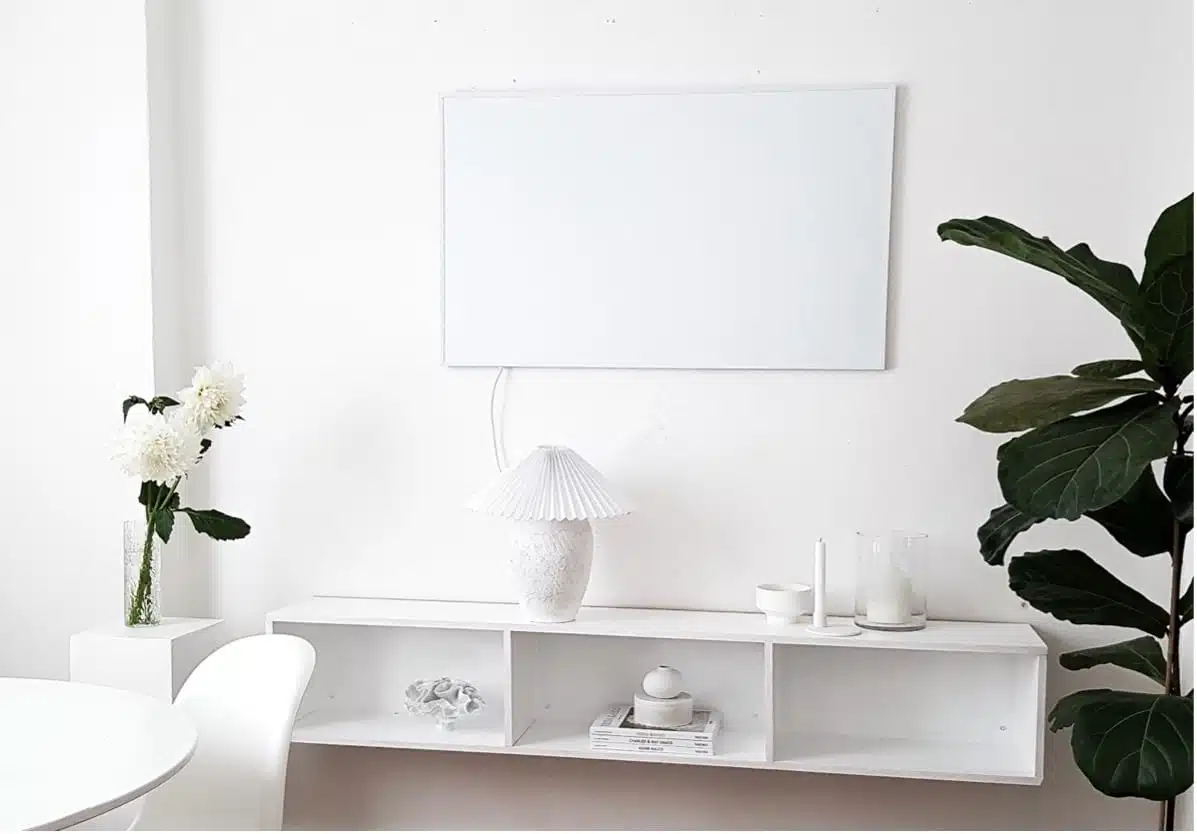
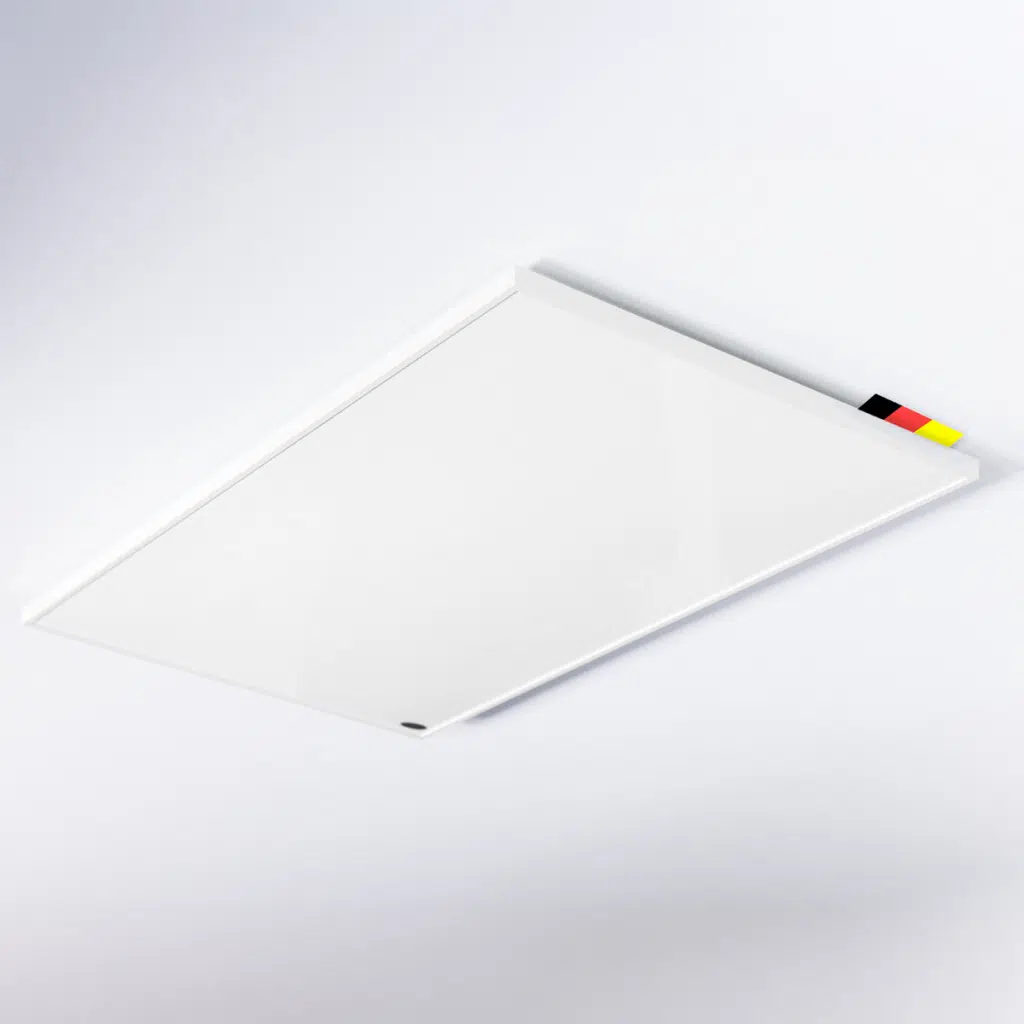
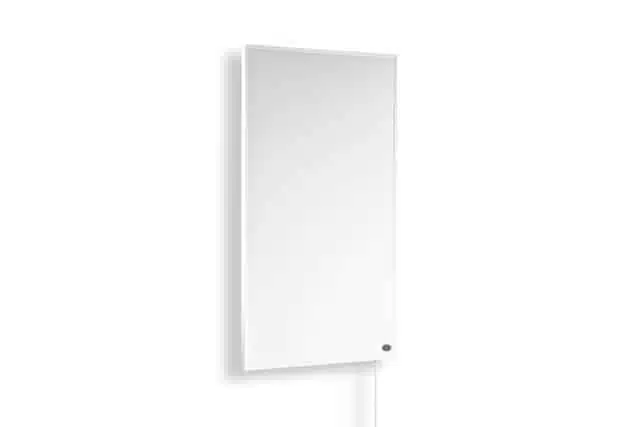
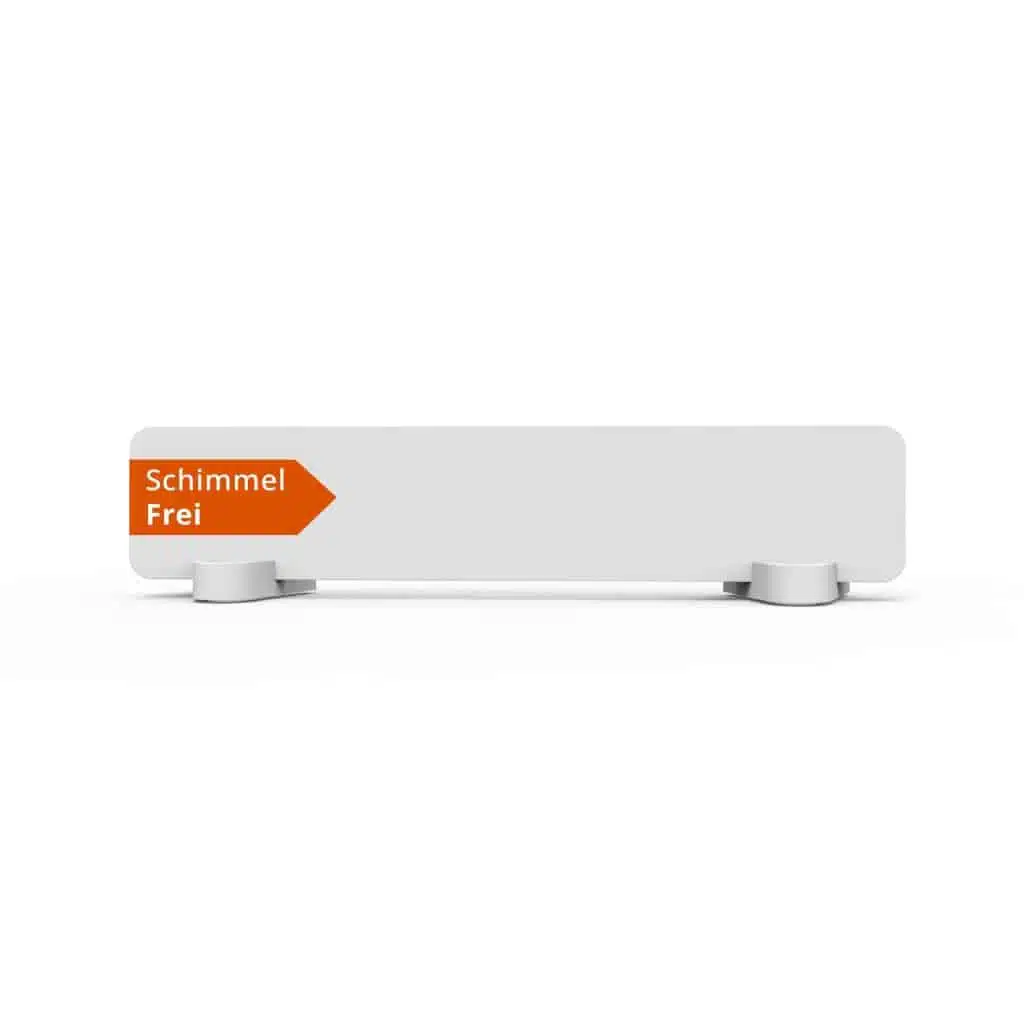
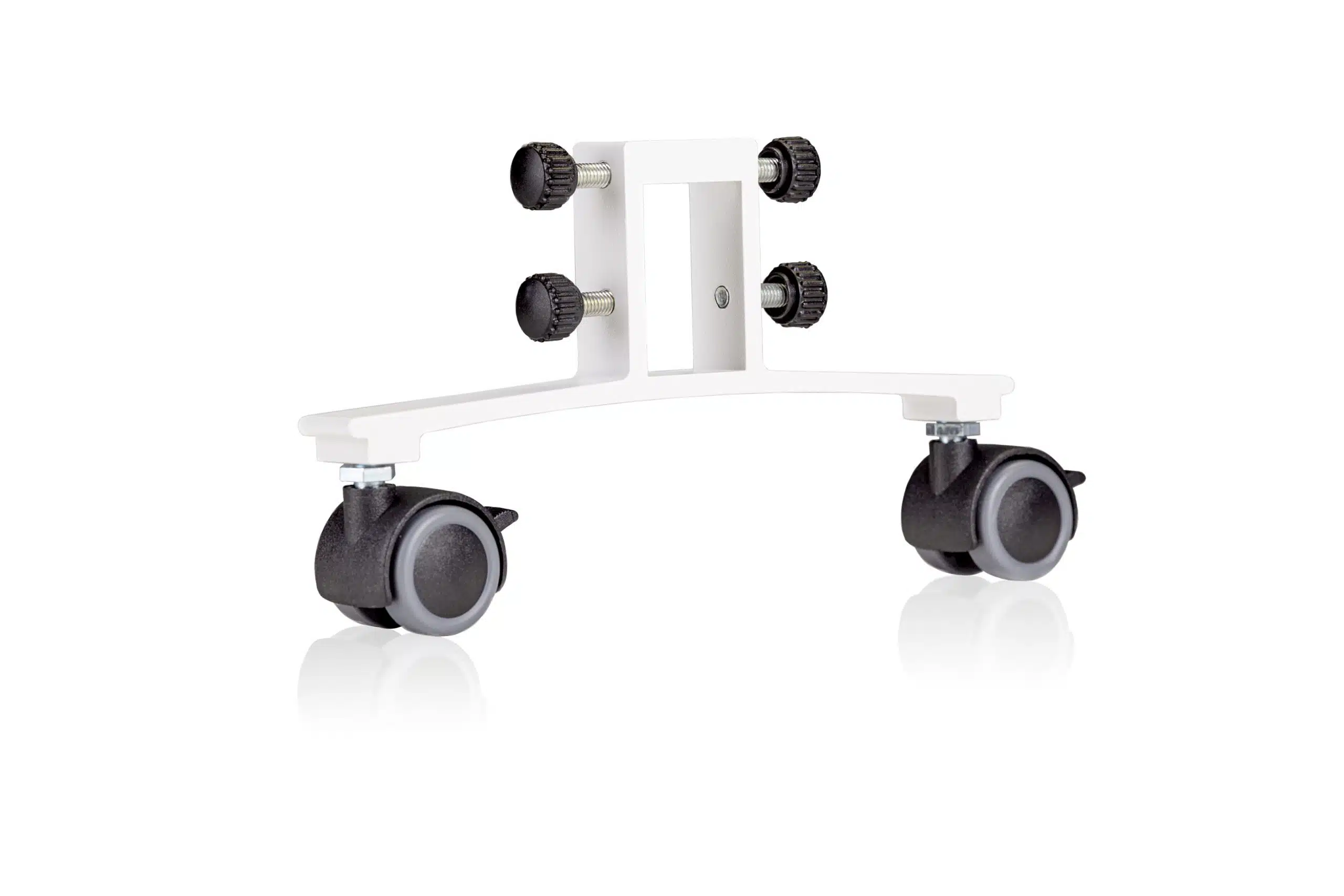
Another advantage: Könighaus infrared heaters are designed to save space and can be hung on the wall like a large picture using the drilling template and spacers provided. Alternatively, you can mount castor or metal feet under your heating panel and transform the infrared heater into a mobile heater. Flexible and targeted use – exactly where you need the heating.
Conclusion
Infrared heaters are excellent for drying walls in a targeted and efficient manner. How long drying takes depends on various factors. The material and thickness of the wall and, of course, the degree of moisture play a role here. Important: a wall must not become too dry. A basic moisture level must be maintained, otherwise there is a risk of damage.
Want to know more?
We are delighted if we have been able to show you new aspects of infrared heating. There is a lot more exciting information to discover. For example, would you like to find out more about Getting out of oil and gas know? Or are you interested in heating in the bathroom? Just visit our blog regularly – it’s worth it! If you have any further questions, our friendly customer service team will be happy to help you – by phone, email or chat. We look forward to hearing from you.