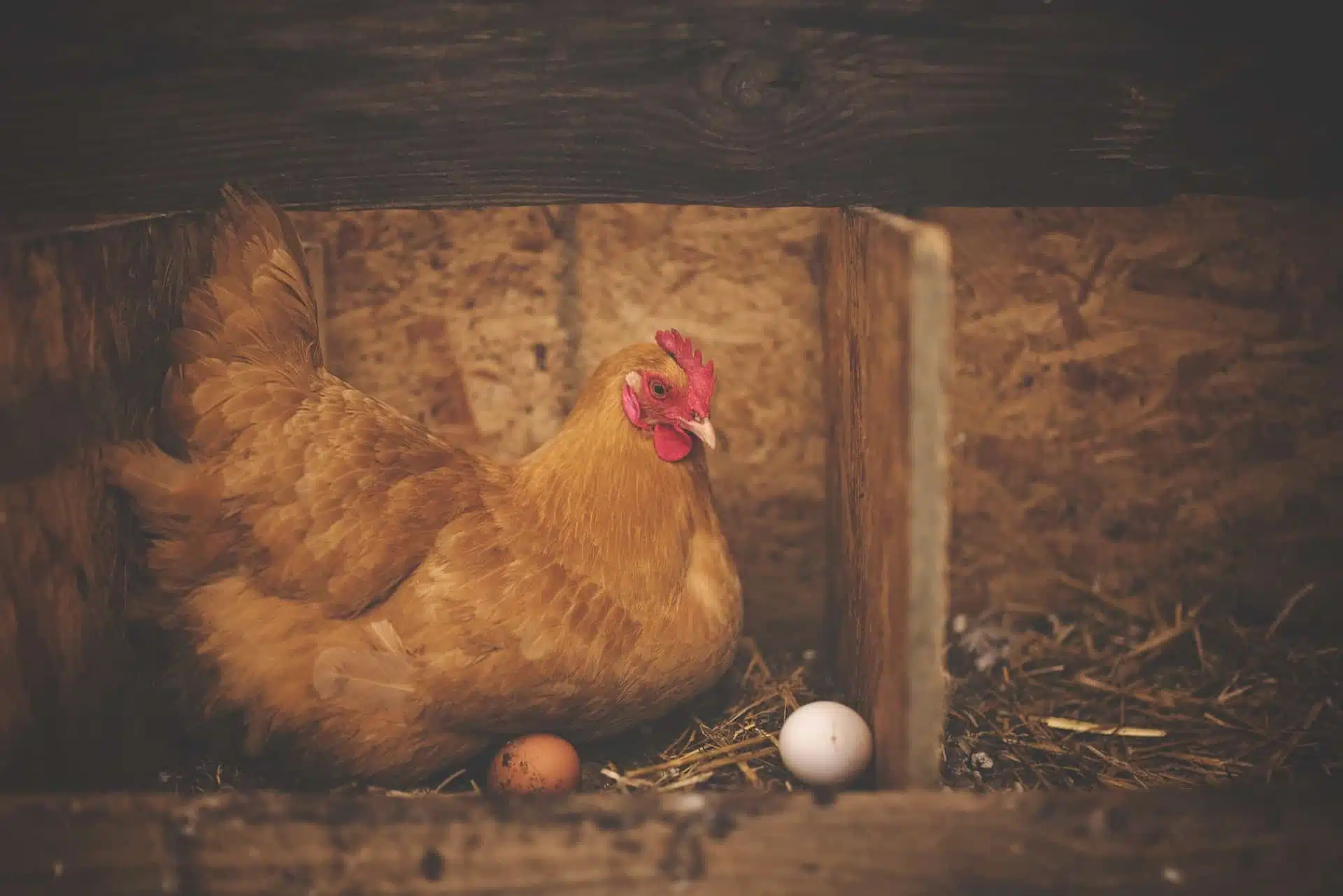
In diesem Beitrag schauen wir uns den Unterschied zwischen Pelletöfen und Pelletheizungen und deren Funktionsweisen an. Wir werfen einen Blick auf die Herstellung von Pellets. Was ist beim Kauf von qualitativ hochwertigen Pellets zu beachten? Was war die Grundidee und warum wurde Heizen mit Holz einst als klimaneutral angesehen. Zudem sehen wir uns die Empfehlungen des Bundesumweltamts in Bezug auf Pelletheizungen an. Das und mehr erwartet Dich in diesem Beitrag.
Heating with wood
Let’s start with a little digression into the history of heating. Did you know that the ancient Romans already had underfloor and wall heating? Walls and floors had cavities. The Romans directed hot air from a (wood) fire into the spaces between them. This was the way to heat bathhouses at the time. This surface heating is called hypocaust heating.
What are wood pellets? Pellets are made from sawdust and wood chips. These are a by-product of sawmills. During the production process, they are sieved, crushed and dried. The raw material is pressed at high temperatures. The result is cylindrical wood pellets. These are cooled and stored in silos. You have probably already seen what these look like in the cover picture above. ?
The quality of wood pellets can vary. Pellets based on sustainable forestry are good. Also look for regional production to support short delivery routes. The Federal Environment Agency recommends paying attention to the FCS and PEFC seals.
Pellet stove and pellet heating system
First of all, we differentiate between the pellet stove and the pellet heating system: the stove is located directly in the room to be heated. Whereas the pellet heating system is located in a boiler room, for example, and is responsible for the heating requirements (heating and hot water) of the entire household.
The single stove or pellet stove is located in the living room and heats it. It has a storage tank (usually for a daily ration) and a container for the ash. While the pellets are fed in and the combustion process takes place automatically, the ash is emptied manually.
The pellet heating system includes a storage unit for the wood pellets, a screw conveyor, a boiler and a buffer tank containing heating water.
The screw conveyor transports the wood pellets from the storage unit to the combustion boiler. The combustion process generates heat, which in turn heats the heating water by means of a heat exchanger.
By the way: Modern pellet heating systems always heat fresh drinking water. The fresh water is heated by the heating water using the continuous flow principle without coming into contact with it. We then use the heated drinking water for cooking or showering.
For reasons of hygiene, the drinking water is always freshly treated. This reduces germs such as legionella.
Just as with a single stove, the ash box of the pellet stove must be emptied manually at regular intervals.
Heating with wood – importance for the climate
The basic idea: during its life, the tree absorbsCO2 from the atmosphere. It produces oxygen from the carbon dioxide and sunlight. A spruce tree, for example, absorbs approx. 2 tons ofCO2 during its 100-year life. When the tree rots, the bound carbon dioxide is released again. Without human intervention, there is a balanced relationship here. Absorption and release are therefore in balance.
Based on the argument that the bound carbon dioxide is released both during decomposition and during combustion for heating purposes, pellet heating systems were considered climate-neutral. The idea: only burn as much as can be regrown. However, wood is not only used as a resource for heating – other industries also use it (e.g. the paper industry).
Looking at the deforestation of (primeval) forests, it is clear that the calculation does not add up.
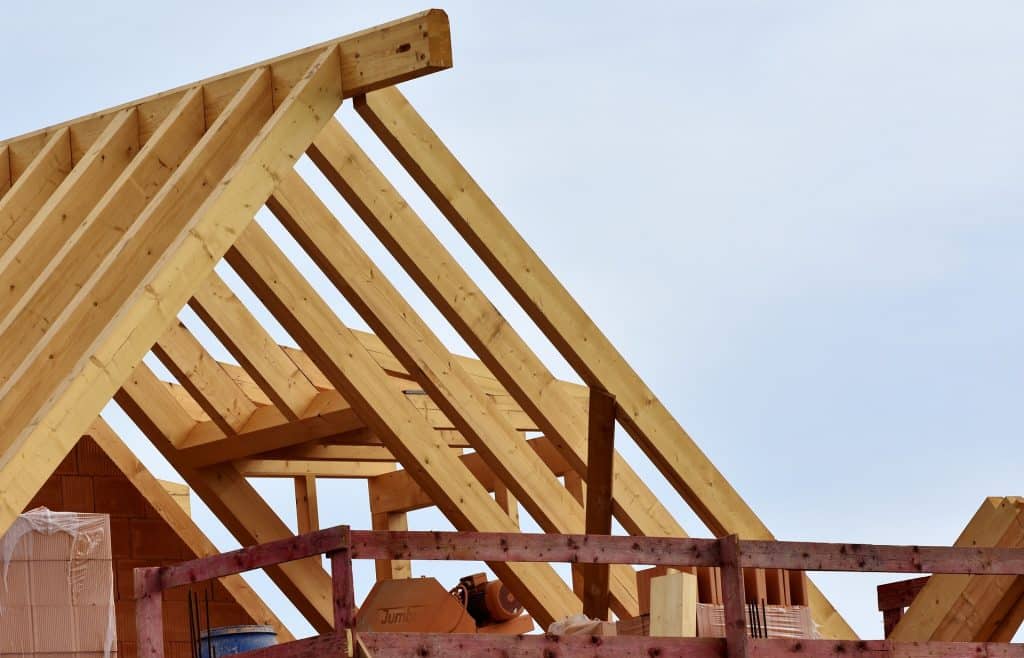
If wood is taken from nature, then the focus should be on long-term use. The storage effect of wood can be extended beyond the life of the tree when building a house. According to Forst Baden-Württemberg, the wooden roof truss of a detached house binds approx. 8 tons ofCO2.
At the beginning, we looked at the exemplary production of wood pellets: made from sawmill by-products and produced regionally. However, there are also some critical voices from scientists and environmentalists. They criticize the fact that by no means only by-products of the timber industry are used for pellet production. In fact, satellite images show that whole tree trunks are being processed en masse. Some of the logs are from very old trees that were previously rooted in natural forests.
What does the BUA say about pellet heating systems?
In general, the Federal Environment Agency recommends focusing on efficient thermal insulation when building a house. A renovation plan helps with older houses. In other words, an outline of renovation work that contributes to thermal insulation. This includes replacing windows, the roof and the façade. Optimizing these parameters automatically reduces heating requirements. After all, heating is the biggestCO2 driver in private households.
The recommendation for new buildings is to do without fuel heating systems. The fuels category includes fossil fuels such as oil and gas, but also wood.
TheCO2 prices for heating with (fossil) fuels will become more expensive and therefore less attractive in the coming years. The legal background to this is the climate package, which provides forCO2 savings by 2030. Rising prices penalize heating fuels with high emissions. The focus is particularly on heating systems that run on oil or gas.
Further use of pellet heating systems
If households wish to continue heating with wood, it is recommended to replace boilers that are more than 15 years old. This will help to increase efficiency and reduce pollution. Speaking of pollution: the installation of a dust extractor is also recommended to reduce emissions.
Conclusion
If you already have a pellet heating system, you can make a contribution to environmental protection by carefully selecting sustainable wood pellets. It is also advisable to replace old, inefficient combustion boilers.
Are you interested in sustainable heating with renewable energy? Then you’ve come to the right place on our blog. We will show you the benefits and advantages of infrared heating, explain what infrared actually is and what the most important advantages of infrared heating are.