In the first part of our series “Lignite. Impact and destruction”, we reported on the consequences of coal mining for people and nature. Today you can find out more about possible alternatives to lignite and other fossil fuels, get an overview of renewable energy providers, tips for operating your infrared heating system and a look into the future.
Wood is not an alternative to coal
It sounds so natural and right – fossil fuels are bad, heating with wood is good. But it’s not quite as simple as that.
The EU promotes deforestation for energy production and classifies energy from forest wood as climate-neutral. This gives rise to several problems:
- When burned, wood releases more CO2 than coal.
- In the fight against the climate crisis, we must protect forests because they are important carbon dioxide reservoirs. If they disappear, more dangerous greenhouse gas will remain in the atmosphere and the earth will continue to warm up. Every year, an average of 30 million hectares of forest (including tropical rainforests) are destroyed worldwide through deforestation and the number is increasing every year. [1]
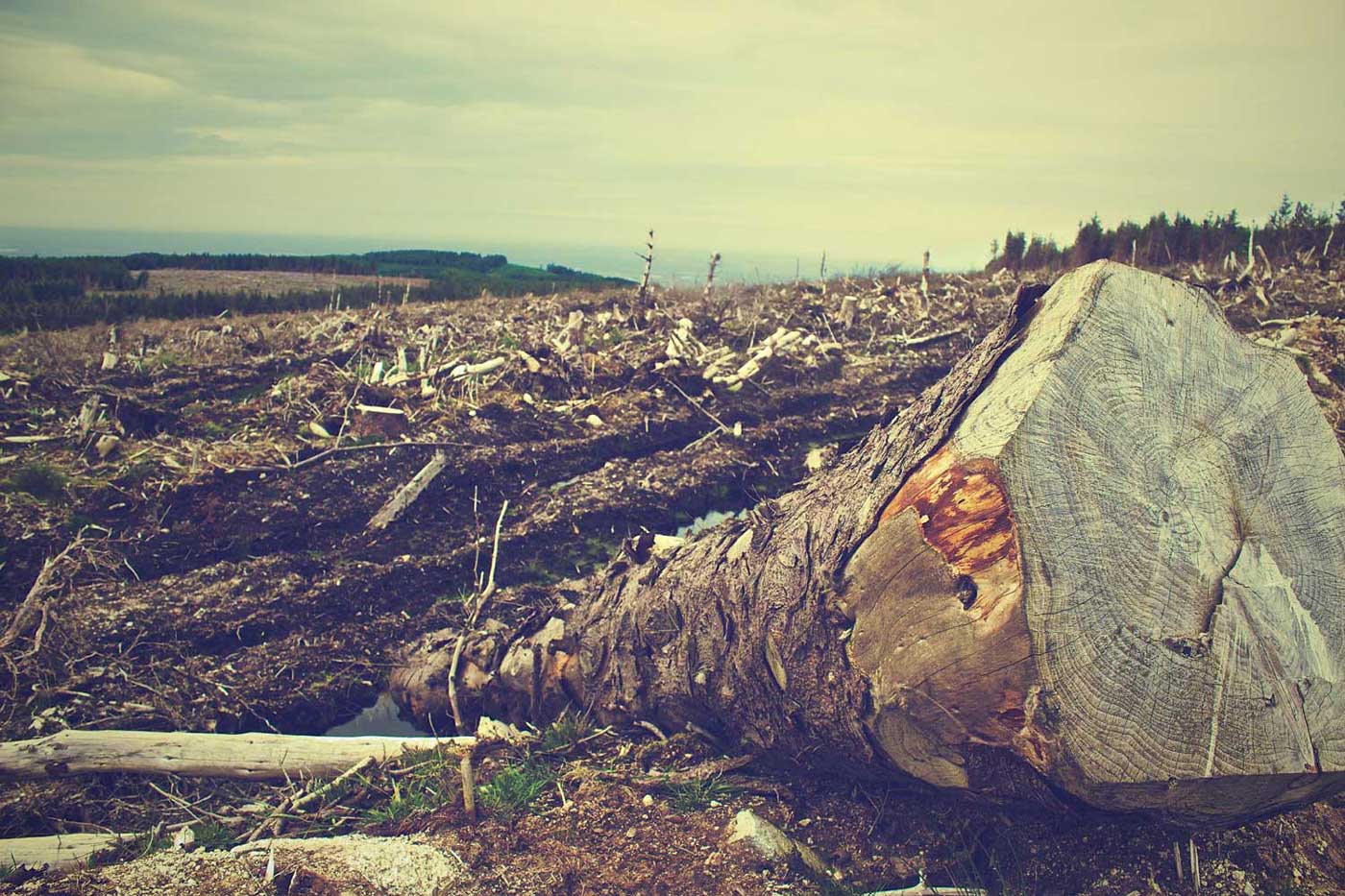
Where is this all going? A few people make a lot of profit from deforestation, but many people around the world suffer as a result. After all, forests cannot grow back as quickly as they are cut down. Although humans are capable of making connections and calculating probabilities, we are failing completely here. We know that we are not doing ourselves any good by continuing to deforest, not to mention destroying the habitat of numerous animal species. And yet we are not willing (or able) to act faster and more effectively. But what could the alternatives look like?
German dependencies
Due to the war in Ukraine, Germany’s energy supply is undergoing a major upheaval. In 2019, Germany sourced around 51% of its natural gas imports from Russia, rising to 55% in 2022[2]. Norway is in second place with 27%, followed by the Netherlands with 21%. Within the EU, Germany is the largest importer of natural gas from Russia with 55.6 billion cubic meters. [3]
According to the “Energy Security Progress Report” published by the Ministry of Economic Affairs and Climate Protection, Russian hard coal has accounted for around 50 percent of German hard coal consumption to date. Dependence on Russian oil was also 35% last year[4], with around 170 billion euros having been transferred to Russia for gas, coal and oil supplies since 2014. In order to end this dependency, alternatives to existing energy suppliers such as coal and gas are being sought, as a rapid phase-out of coal is one of the most important keys to combating climate change.
Electricity from wind and solar energy
The future of energy generation lies in renewable sources such as solar, wind and geothermal energy. They supply greenhouse gas-neutral energy and end geopolitical dependencies, which will also lead to major changes in terms of economic imports and exports. According to the Federal Environment Agency, the share of renewable energies in the transport sector, for example, was only 6.8%, putting it at the bottom of the league.
But what options are there for greenhouse-neutral energy generation?
The two largest and most important energy sources are the sun and wind, which are virtually inexhaustible. Offshore wind farms will therefore play a major role in future energy generation in Germany. It is expected that wind energy at sea will ultimately provide around 28 percent of electricity generation.[5] In addition, the German government has recently decided that two percent of the country’s land area will be made available for the expansion of wind energy, as wind energy generates the most renewable energy in Germany. Did you know that after around three to seven months, wind turbines have produced as much energy as is needed for production, operation and disposal?
The potential of the sun is also almost infinite. Whether for generating electricity or heat – wherever the sun shines sufficiently and strongly enough, it should be used. After all, this is possible even on a small scale. Whether balcony, roof or façade, there are many ways to use solar energy. Of course, this also entails major changes in the entire energy system. For example, there will no longer be so many large power plants, but many regional and decentralized electricity producers, right down to individual citizens who generate their own electricity and then feed it into the central power grid.
What can you do?
- Switch to a green electricity provider. It is no longer a problem to switch between electricity providers. There are several providers in Germany that offer 100 percent genuine green electricity and operate independently of large nuclear and coal-fired power companies. We have listed a few providers here in random order (individual selection and not exhaustive): Naturstrom Origin of electricity: Hydropower plants in Germany EWS Schönau Origin of electricity: Hydro and wind power plants in Austria, Germany, Norway and Sweden Green Planet Energy Origin of electricity: Hydro and wind power plants in Germany and Austria Polarstern Origin of electricity: Hydroelectric power plant in Germany (Inn power plant Feldkirchen)
- Install a solar panel on your roof or balcony and generate your own electricity.
- Switch to a green bank and invest your money in projects and funds that support the energy transition
- Use the 9 euro ticket and take the train or hop on your bike.
- Use less energy. The great thing is that even small changes can make a big difference. You can find our 25 best tips for saving energy here.
- Install an infrared heater. Why? You can find out in the following chapter.
“The past is written, but the future is not yet set in stone.” (Captain Picard, Enterprise, Star Trek)
The new way to heat
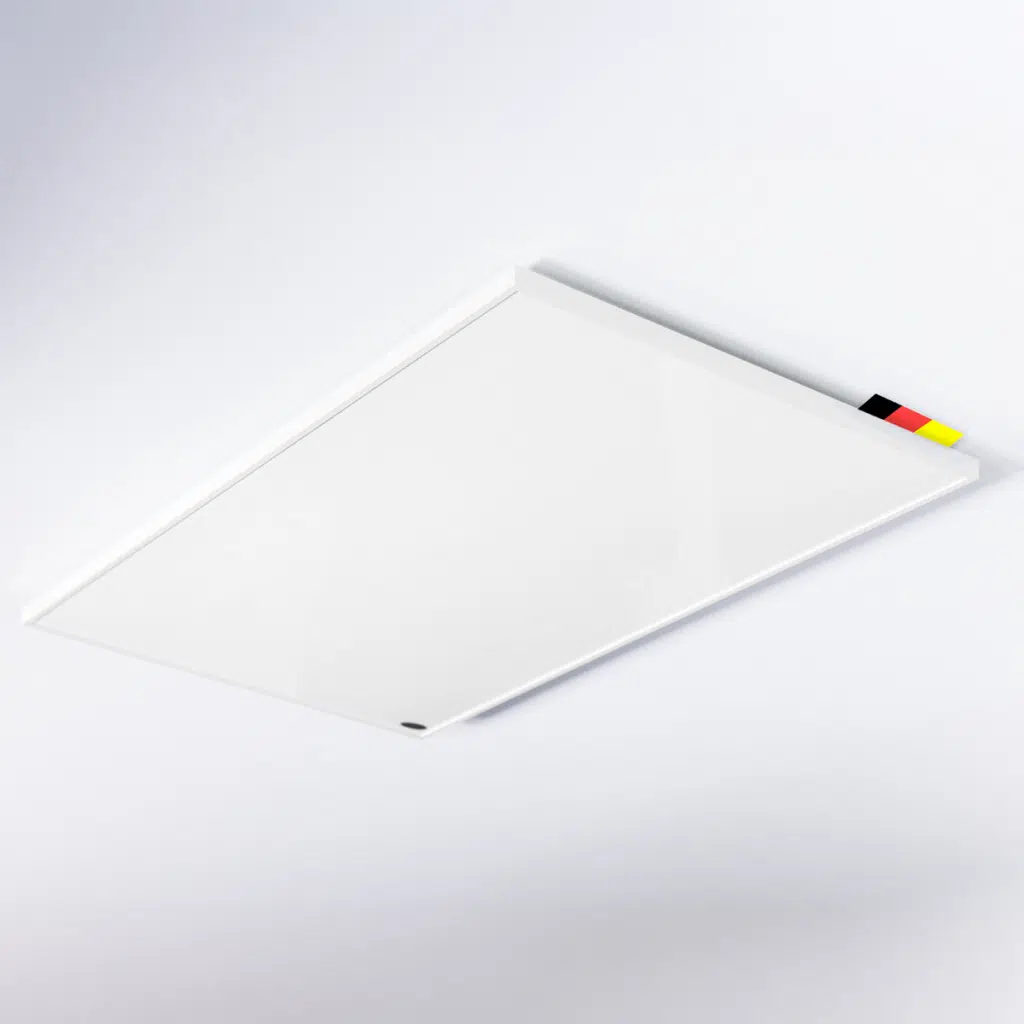
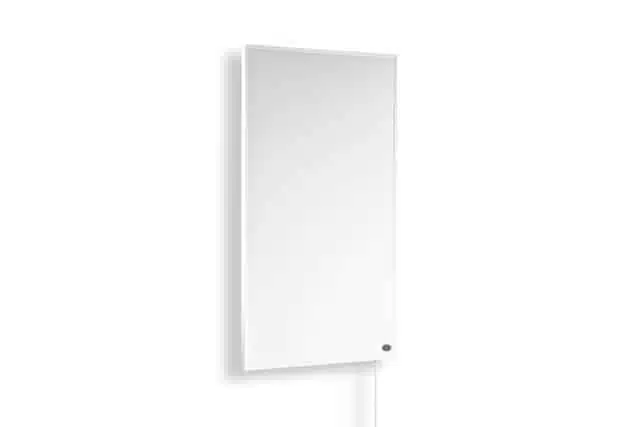
In contrast to conventional heating, infrared heating has many advantages. This is because a convection heater heats the cold air, which rises towards the ceiling until it cools down there and sinks towards the floor again. An infrared heater, on the other hand, heats people, objects and surfaces in the room evenly. It reaches operating temperature after just 2-4 minutes – so you will be comfortably warm in no time at all.
Another advantage: you save space! Where a convection radiator used to be installed, you can now cleverly maximize your living space. The great thing is that the installation of an infrared heater can be completed in a few simple steps thanks to the installation material and drilling template included.
You can find more advantages of infrared heaters here.
Conclusion
There is not just “one” solution. We cannot do without coal and cut down the forests for it. Nor can we go from one (gas) dependency to another. We all need to simply consume less energy, value our resources and accept that not everything is always and endlessly available. Not always easy, not always pleasant – but we can do it together, can’t we? ??
Want to know more?
We are delighted if we have been able to interest you in this topic. There is a lot more exciting information to discover. For example, would you like to find out more about the sun as a fascinating celestial body? Or are you interested in tips and tricks for your home office? Just visit our blog regularly – it’s worth it!
If you have any further questions, our friendly customer service team will be happy to help you – by phone, email or chat. We look forward to hearing from you.