Reducing heating and saving energy are the issues we are now dealing with in winter. A maximum temperature of 19 degrees is set in public offices. Private households also want to heat less out of solidarity or avoid high additional payments. In this article, we give you useful tips on how to keep warm at work or in your home office at a reduced room temperature.
On everyone’s lips: “19 degrees”
The energy supply situation in Germany is tense. The motto now is: saving energy as a joint task. A maximum temperature of 19 degrees is to be set for public offices. A temperature of 19 degrees also applies in state airport terminals. Private airports are following suit on a voluntary basis. Other European countries are also talking about 19 degrees.
Until now, a temperature range of 20-22 degrees has been recommended in living spaces. Critics say that lowering the temperature can lead to an increased risk of infection. For older people in particular, such a low temperature is enough to cause cold hands and feet, as they usually move less than younger people.
Heat less and still stay warm
Have you involuntarily found yourself in a situation where the temperature in the office is a few degrees cooler than usual? Or are you simply acting in solidarity and heating your home on a low flame? Keeping warm at work or in your home office is important for productivity and creativity. We would like to give you a few tips on how to keep warm in winter without having to heat more.
Our 10 tips
Warm yourself from the inside …
… with a hot drink of your choice. Make yourself your favorite tea or cocoa – whatever tastes good and does you good. Do you have a long day ahead of you? Then take a large thermos flask with you. This will save you time and you can refill your cup regularly. Rituals such as drinking tea are also good for relaxation.
Warm slippers.
In cold temperatures, our feet and hands get cold first. Heat is primarily provided to the center of the body, the brain and vital organs. As a result, blood circulation and therefore heat supply to the extremities decreases. Keep your feet warm, e.g. with a pair of lambskin slippers. Okay, not every working environment will look good. But a pair of woolen socks will also do the job.
Keep moving.
Easier said than done. Especially if 90% of your working time is spent at the computer. Do you have a height-adjustable desk? Then regularly change your position from sitting to standing. This will keep your circulation going and keep you warm. Use a balance board to help you. This “wobble training” also strengthens your deep muscles.
Is a balance board too boring for you? Attention athletes: How about a desk treadmill? It’s guaranteed to keep you moving and you’re sure to warm up quickly.
Even without a height-adjustable desk or sports accessory, you can stand up from time to time. On the phone or when talking to colleagues. How about a standing conference? Why not hold your next team meeting standing up?

Laughter is healthy!
You can laugh in the office too. It brings you closer together and warms you up. What actually happens when you laugh? Your breathing speeds up and your lungs take in more oxygen. This promotes blood circulation in your body. By the way, did you know that your body tenses around 300 muscles when you laugh? A bout of laughter can even help to reduce stress and promote relaxation.
You’ve probably heard of laughter yoga, right?
Spot heating.
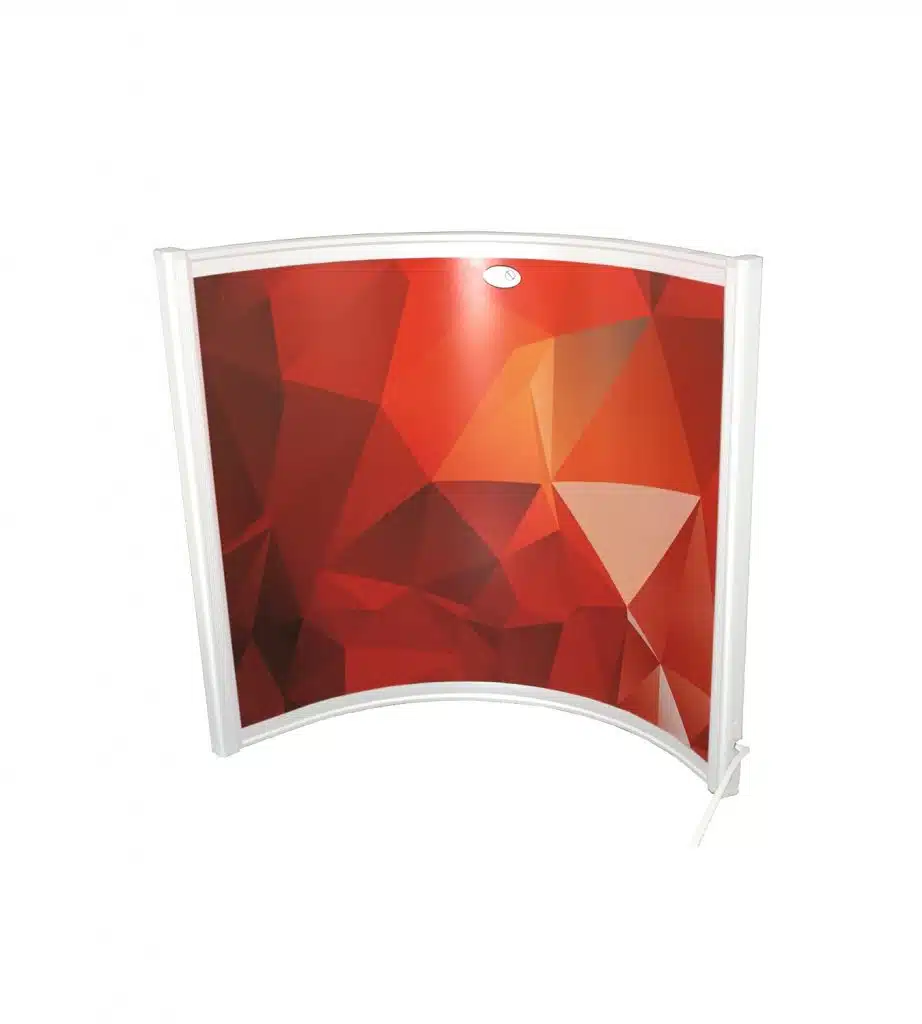
Have you ever thought about an infrared desk heater? The nice thing about it is that you can heat your feet and legs selectively. The infrared rays warm you efficiently with their direct heat (i.e. without primarily heating the air). Turn your main heating down a little and your desk heating up a little. Targeted heating allows you to keep the local temperature above 19 degrees, while lowering the overall room temperature.
Coordinated shock ventilation.
Particularly in open-plan offices, different senses of cold and heat come together. Some people find the heated air too dry, others freeze at the mere thought of airing the room. Coordinate and ventilate in bursts. Fresh oxygen is important for concentration. In addition, humidity created by normal breathing must be removed. Not ventilating to keep the heat in the room is not a solution. This is because high humidity encourages mold growth and increases the risk of respiratory diseases.
Talk to your employer.
The employer is legally obliged to ensure a minimum temperature at the workplace. The minimum depends on the physical strain of the work. You can find out which legal regulations apply to your specific workplace in the Workplace Ordinance.
Desk pad and mouse pad.
Cold desk top, cold hands. Get yourself a mat and a felt or fabric mouse pad. These little helpers will protect your hands from the cold desk top.
Grab a hot water bottle.
Place them in your lap or under your feet. There are also specially shaped hot water bottles for the neck. These provide additional relaxation.
Filled stomach.
If you eat little because you are on a diet, for example, the body automatically switches to energy-saving mode. What does the body do? It converts fewer of the calories you eat into heat. The result: you get cold more quickly.
Are you so busy at work that you miss your lunch break completely? Then set an alarm clock to make sure you eat regularly.
Conclusion
We hope that we have been able to inspire you with one or two tips. If you would like to find out more about desk heating, take a look at our online store or contact our friendly customer service team for detailed advice.