Even if we should save gas and energy now and in the future, that doesn’t mean you have to sit at home freezing. Because in our latitudes, the months from October to February are still the classic “heating months”. Many people don’t give it much thought, but for around 7 percent of Germans, this period is associated with burning eyes, a dry throat or sneezing fits. In this article, you can find out more about allergies, house dust mites and how to deal with dry heating air.
House dust mites – unloved and yet always there
Here we go again! When the heating is turned on in the cold fall and winter months, the peak season for house dust mites starts again. These roommates can be found in every household – and prefer to live in mattresses, bedding, carpets, sofas, etc. Due to the cold outside temperature and warm and humid indoor air, house dust mites feel particularly at home and feed on our skin flakes, which we prefer to shed at night. This is a problem for many people, as the small animals’ droppings cause increased symptoms in allergy sufferers. The nose runs, the eyes itch and burn.
The temperature in the bedroom in particular should therefore be below 20°C in order not to promote a humid indoor climate.(Find out more about the optimum room temperature for your homehere ). Did you know that each of us shares a bed with up to 10 million mites? A single mite leaves around 20 droppings a day. That’s quite a lot that accumulates every day. And this is exactly where the problem lies. Because dry heating air is actually poison for mites. However, the dry heating air also causes the droppings to disintegrate into dust and people have an allergic reaction to these, not to the mites themselves. The decomposed excrement balls mix with the house dust, which is stirred up by the warm air of conventional heating systems and triggers allergies. As a vacuum cleaner only removes 10 percent of mites, it is all the more important that you make it more difficult for them to multiply by turning the temperature down and ensuring that the humidity in the bedroom does not rise above 45 – 55 percent. This is because the European house dust mite prefers temperatures around 25 °C and a humidity level of 75 %. 1
Further measures:
- Never go to bed with wet hair. Wet hair encourages a humid climate – the mites will love you
- Use a bed frame with feet. This way, your mattress is also ventilated from below.
- Remove dust catchers (decorative items, furniture, carpets, etc.) from your home.
- Air your bed linen regularly and wash it at 60 degrees.
- Your mattress should be replaced every eight years at the latest.
- Pets also shed dander – so you need to assess for yourself whether you can cope with a pet in your house/apartment. Maybe it’s enough if you don’t let your pet into your bedroom. After all, animals are good for the soul and enrich your life. ?
You should not take your allergy lightly, because in the worst case it can lead to chronic asthma.
Heating without problems
Are you cold and freezing in your home for fear of an allergic attack? Of course, that’s not a solution either. After all, it doesn’t do anyone any good if you catch a cold. Least of all you.
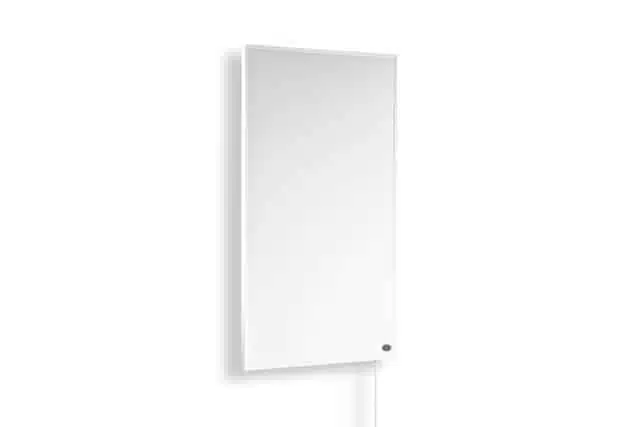
As you have read, a large part of the problem is due to the swirling air from conventional heating methods. But you can do something about this. A major advantage of infrared heaters is that the fine dust pollution is much lower due to the lack of air turbulence; hardly any dust is stirred up. In contrast to conventional radiators, infrared heaters do not primarily heat the air in the room, but the bodies, walls and people in the room. These are heated evenly and then release the heat into the room air. This ensures an even and pleasant temperature throughout the room. Without any annoying air turbulence.
Good indoor air
The cold months are not just a problem for allergy sufferers. Dry heating air has an impact on the health of many people. As we spend most of our time indoors in cold temperatures, a good indoor climate and fresh air are all the more important. Every breath we take reduces the oxygen content in the room air – in contrast, the carbon monoxide content increases. This causes headaches, tiredness and concentration problems. To counteract this, get into the habit of airing the room in bursts. In this article you will find all the information you need on the subject of “Correct ventilation”.
In addition to proper ventilation, indoor humidity is also an important aspect. As the cold air can absorb little moisture in the fall and winter, this means that although you get fresh air into your rooms when you air them out, the warm heated air remains too dry. The optimum humidity level is between 40-60 percent.
Effects on your health
Overheated rooms not only make you tired and sleepy, the dry air is also harmful to our health. It dries out the mucous membranes in your mouth and throat, your skin feels dry, starts to itch and turns red. The conjunctiva of your eyes is irritated and can become inflamed due to the dryness, and your nose dries out. The low humidity also increases the risk of bacteria and viruses spreading – increasing the likelihood of an infection. A large difference in temperature between indoors and outdoors also puts additional strain on our bodies. Incidentally, a large difference in temperature and humidity is also difficult for animals – such as dogs – and can affect their airways.
What helps against dry heating air?
So what can you do to combat the dangers of dry heated air? Of course, one option would be to spend less time in heated rooms. Getting outside is always a good idea. But for one thing, many people have to spend time indoors every day because of their job and you want to relax comfortably at home in your own four walls, don’t you?
We have listed a few practical and easy-to-implement tips here that you can use to increase the humidity in your rooms:

- Drink plenty of fluids. Water, tea, etc. ensure that your mucous membranes and skin do not dry out.
- Place a bowl of water on the radiator. Evaporation increases the humidity in the air. Important: clean the trays regularly to prevent bacteria from forming.
- Place a few plants in the rooms. Not only does this look pretty and put you in a good mood, the leaves evaporate the water and increase the humidity in a completely natural way. Ideally, you should choose plants that consume a lot of water.
- Shock ventilation. In winter, it is best to do this several times a day for 5-10 minutes.
- Leave the bathroom door open when showering. This allows the moist air from the bathroom to reach the other rooms and increase the humidity.
Conclusion
The topic of heating covers many different aspects. From the advantages and disadvantages of different heating methods to installation, tips and tricks for saving energy and the effects of heating on your health. Even small measures such as putting out a bowl of water have a big impact and can make your everyday life more pleasant in the cold season.
Want to know more?
We are delighted if we have been able to show you new aspects of infrared. There is a lot more exciting information to discover. Take a look at our exciting article on stress – strain on the body and mind. Or are you interested in the articles about lignite? Just visit our blog regularly – it’s worth it!
If you have any further questions, our friendly customer service team will be happy to help you – by phone, email or chat. We look forward to hearing from you.