Have you ever heard of Austria’s “get out of oil and gas” promotion campaign? Here you can find out what’s behind it. We also explain what local and district heating is and what other green alternatives are available to you.
In the blog post “Fossil fuel: from crude oil to oil heating”, we learned that crude oil is a fossil fuel. Crude oil takes an incredibly long time to be reproduced by nature. In figures, this ranges from a few 10,000 years to millions of years. The rapid rate of extraction of this raw material is therefore a cause for concern. However, there is also a certain dependency, because there are some things, such as heating, that we in the European region simply cannot do without. This is why alternatives to oil and gas heating are in demand. What alternatives are there and what is the situation in our neighboring country Austria?
First, let’s take a look at the overarching goal that all countries in the world have set themselves. The goal of the so-called Paris Agreement is climate neutrality. The term climate neutrality refers to the goal of not emitting more carbon than can be absorbed by nature or future storage technologies. Important natural carbon reservoirs are oceans, forests and soils. As a result of the Paris Agreement, the European Union has set itself refined targets. In order to achieve a balance between carbon emissions and absorption, all countries – and therefore each and every one of us – must play their part.
Germany’s neighbor Austria has even set itself its own target. Austria wants to achieve climate neutrality as early as 2040. To this end, the country has made resolutions. Some of these are
- the expansion of public transportation options
- the promotion of renewable energies
- to avoid burning oil, gas and coal for heating.
The latter plan is reflected in the major “get out of oil and gas” campaign.
Austria’s promotion campaign to avoid fossil fuels
The aim of the promotion campaign is to facilitate the switch from fossil fuels to renewable energy. Households receive financial support for this. The funding is available for local and district heating systems, provided a connection is available. If there is no connection, a wood-fired central heating system or a heat pump can also be subsidized. But what exactly are local and district heating systems?
Local and district heating
One way to heat your home is to obtain electricity externally but produce the heat in your own home. This means that electricity and heat are not generated in the same place. The district heating concept, on the other hand, provides for electricity and heat to be produced in the same place. The basic idea is that when a power plant generates electricity, it also generates heat as a by-product, so to speak. So that this heat does not remain unused, it is piped to households as heating water. Well-insulated pipes are used for this purpose. The connection from the power plant to numerous households is via a district heating network.
The technology behind local heating is the same. However, fewer households are supplied through the pipe network than with district heating. The district heating network is therefore larger than that of local heating.
Are there any disadvantages to local and district heating? The prerequisite for receiving local or district heating is a corresponding connection. So not every household has access to these systems. In addition, it is often not possible to switch providers. This can lead to a relationship of dependency on a particular provider. A contract commitment can extend over several years.
Alternatives to local and district heating
First of all, a brief interim conclusion. Austria is looking for alternatives to fossil fuels. A funding campaign has therefore been launched to make the switch to renewable energies financially easier. This campaign is called “out of oil and gas”, just like the title of our blog post. Local and district heating is being promoted. If households do not have access to these heating systems, other methods such as heating with a wood-fired central heating system or a heat pump are also supported.
Austria has also committed itself to promoting renewable energies. Renewable energies are generated from the sun, wind and water, for example. We call this form of energy green because it can be regenerated relatively quickly compared to fossil fuels. Renewable energies also include green electricity.
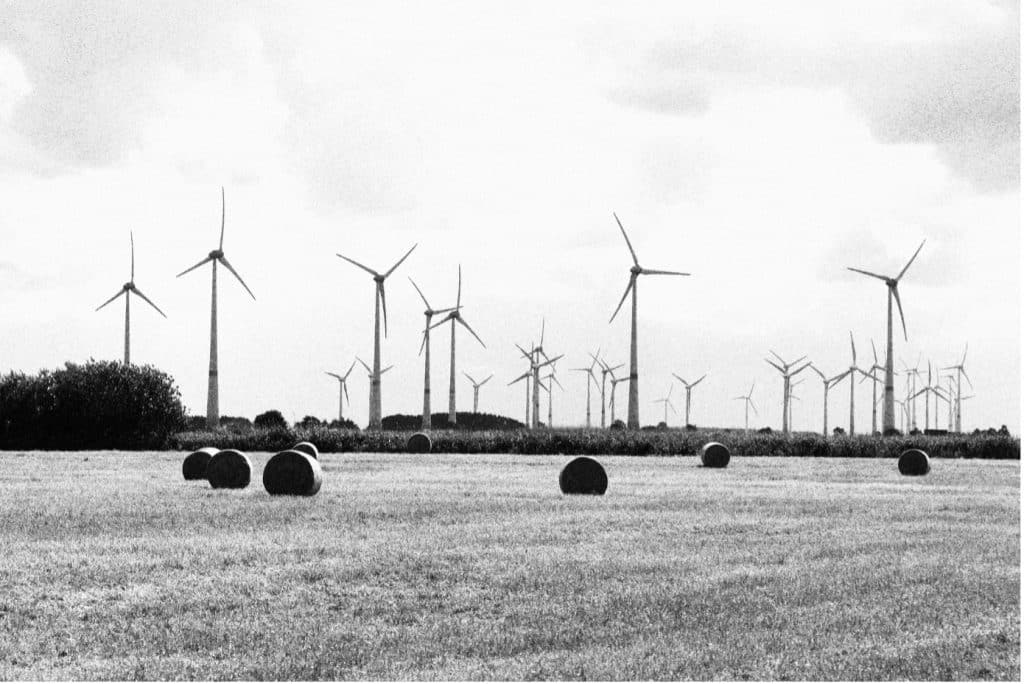
Infrared heating – 100% powered by green electricity
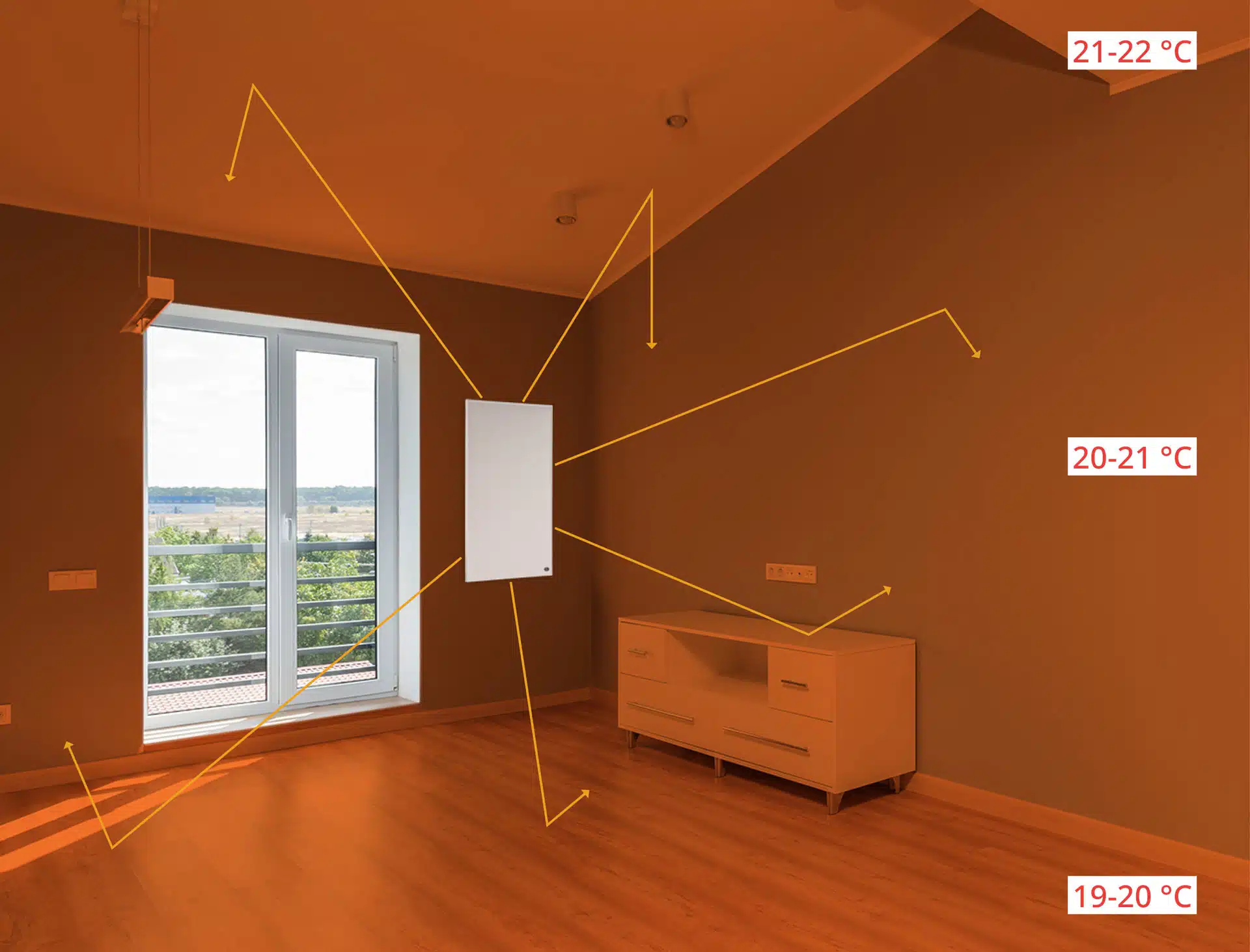
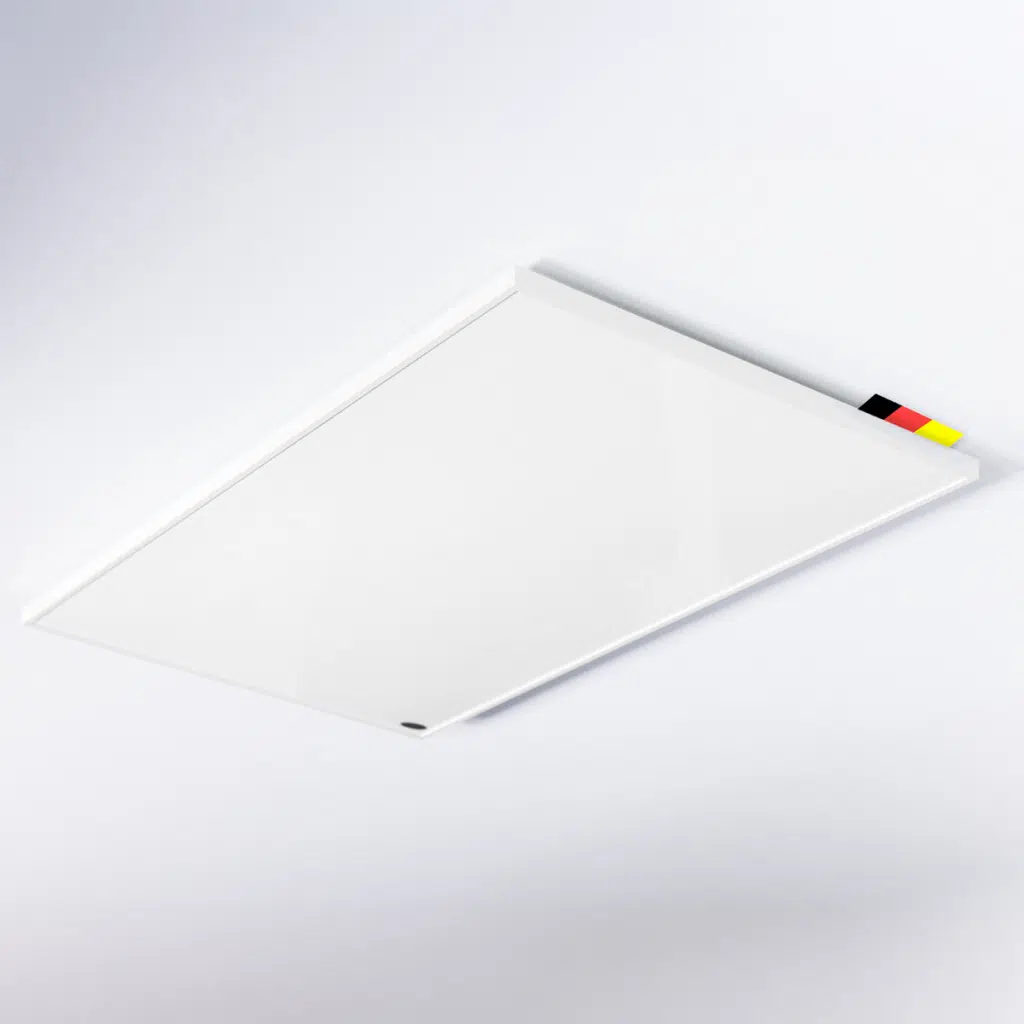
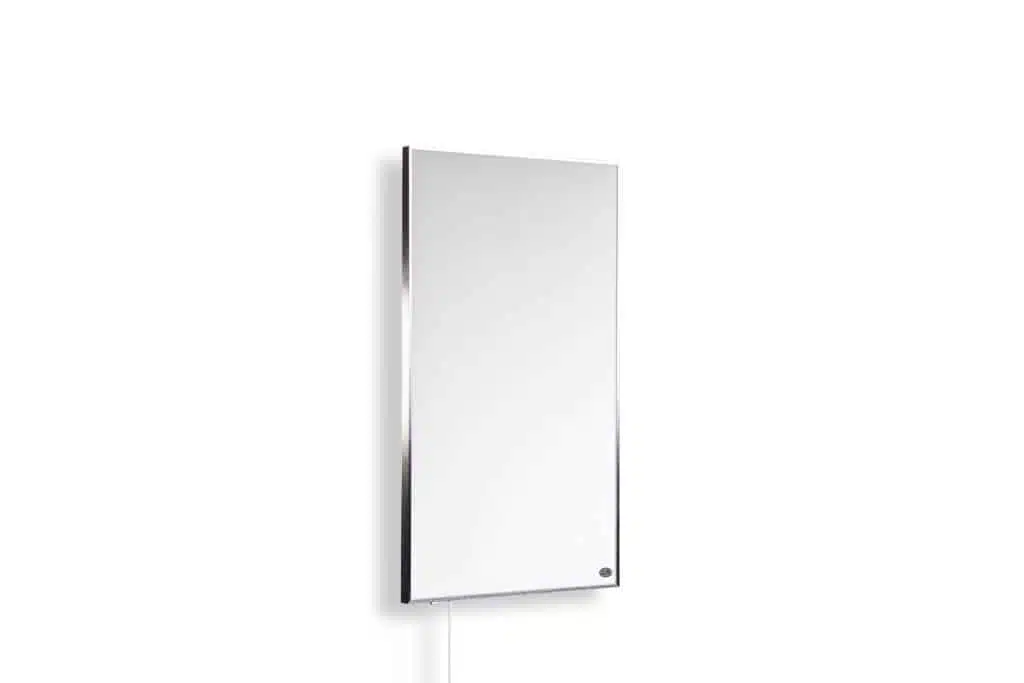
Infrared heaters are a green alternative that we have not yet highlighted. Infrared heaters are powered by electricity. The great thing about them is that they can be operated with 100% green electricity. It doesn’t matter whether you buy green electricity from a supplier or produce your own electricity with a photovoltaic system.
Conclusion
What have we learned from the Austrians in this blog post? Austria’s goal of being climate-neutral by 2040 is exemplary and each individual can make their own contribution. The way we heat our homes makes a significant contribution to climate neutrality. It is therefore desirable to generate space heating as greenly as possible.
Do you have any questions about our infrared heaters that run entirely on green electricity? Then simply contact Könighaus customer service, who will be happy to answer all your questions on the subject of “infrared”.