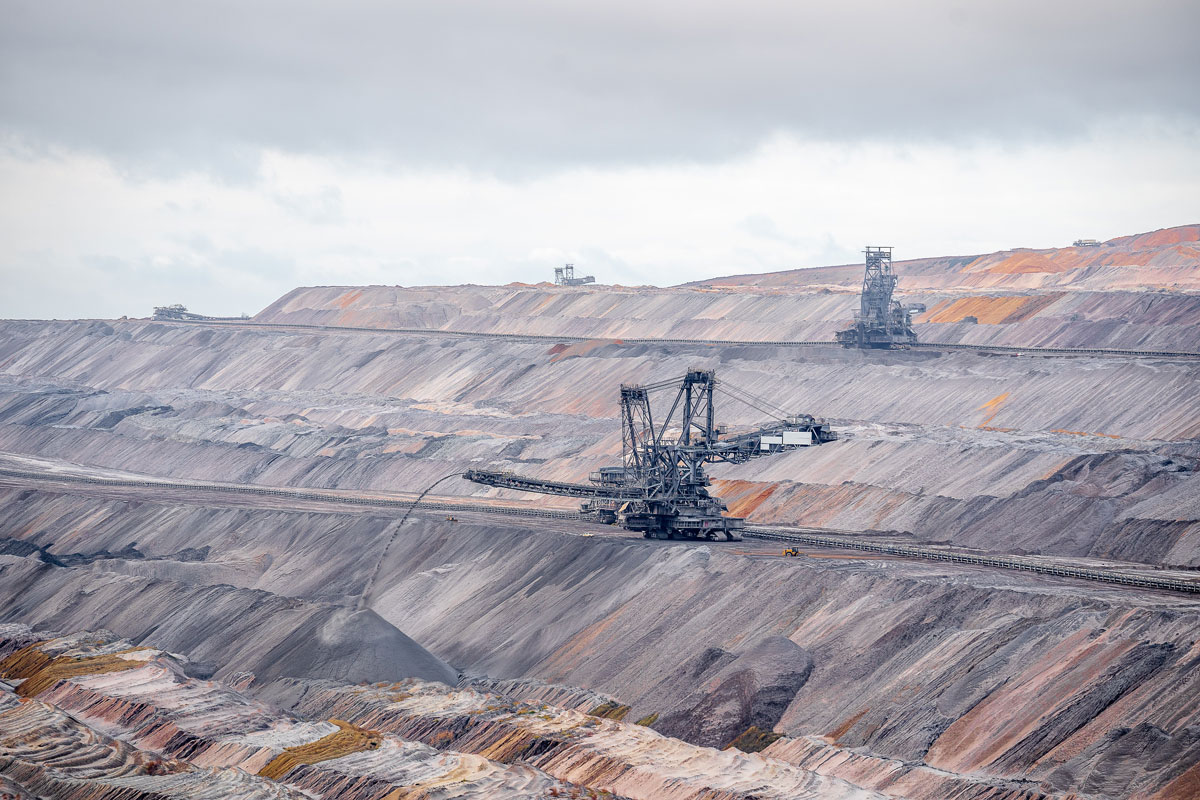
Germany is world champion. No, for once this is not about soccer, but about a much more important topic that affects us all. Since 1970, we have been by far the country with the largest lignite production[1]. 166.3 million tons were mined in Germany in 2018. The majority of allCO2 emissions in Germany are caused by coal. Lignite not only pollutes the air, but also causes great damage to nature and people.
What are the consequences of coal mining for nature and people?
The earth is heating up. We can only stop climate change if we stop generating electricity from coal worldwide. In 2020, coal was the most important energy source after oil, accounting for around 27%. German coal-fired power plants emit around seven tons of mercury into the atmosphere every year.[2] That alone should be reason enough to phase out coal-fired power generation. The German government wants to phase out coal by 2038 at the latest, three years earlier if possible. But isn’t this all taking far too long? And what good will our phase-out do if countries like China, the world’s biggest emitter of greenhouse gases, continue to produce more and more coal? [3]
Coal mining means serious interference with nature. Areas of land are being devastated, bodies of water damaged for centuries and people resettled as their homes fall victim to coal mining. What remains in the end are gigantic holes in barren landscapes that are artificially filled with water. The destruction of large-scale natural areas such as Hambach Forest in North Rhine-Westphalia is leading to ever more dramatic losses in the area of biotope and species protection.
Hambach Forest
The deforestation of the forest area began back in the 1970s. At that time, the area covered around 4100 hectares, but now only 650 hectares remain. Thanks to numerous committed citizens and environmental protection associations, it has been possible to save the remaining forest from immediate destruction by RWE. The forest is not only home to the largest area of oak-hornbeam forest in Germany, but also to 2000 recorded species of beetle and numerous rare and protected animals such as the Bechstein’s bat, tree frog, hazel dormouse and the middle spotted woodpecker, which is now on the red list of critically endangered species.[4] These animals would die if the forest were cleared.
But why is RWE so interested in the area in the first place? The area around the Hambach Forest is of great economic interest to RWE. There are still around 1,350 million tons of coal under Hambach Forest. This would allow RWE to mine coal for another 33 years. [5] But how can the long-term damage be justified? With increasing profits for a private company? With jobs? Hardly. Because the fact is: energy generation from coal is coming to an end. Instead of causing immense damage to people and nature in the last remaining years until 2038, wouldn’t it make more sense to invest more energy in planning for the future so that everyone benefits?
Health consequences of lignite mining
The mining of hard coal and lignite not only has a direct impact on the environment, but also ultimately affects the health of us all. Researchers estimate that up to 800,000 deaths a year in Europe are attributable to persistent air pollution.[6] In addition to coal mining, traffic, agriculture, heating systems and factories are the cause of a shortened life expectancy of around two years. Although the resulting particulate matter pollution has decreased due to increasingly strict limits, it is still too high. Air pollution caused by particulate matter, nitrogen dioxide and ground-level ozone is considered the greatest threat to the health of European citizens. The consequences: Heart disease, strokes, lung disease and lung cancer.
When and how should coal mining be phased out?
On July 3, 2020, it was decided by law that Germany would have phased out coal-fired power generation by 2038 at the latest. RWE will receive around 2.6 billion euros in taxpayers’ money for the gradual phase-out of lignite mining and electricity generation.[7] The operators of lignite-fired power plants are to receive a total compensation payment of 4.35 billion euros for potential lost profits.[8]
The aim of the German government is to increase the share of renewable energies in gross electricity consumption to 65% by 2030[9] and therefore to actively promote the expansion of wind and solar energy. Currently, around half of allCO2 emissions in Germany are caused by the energy industry, while the global share of lignite and hard coal is around 30 percent.
The problem: even if countries such as Germany are planning/implementing their exit from coal mining or, as in the UK, the Netherlands and Italy for example, coal has long ceased to play a role in energy generation, there are a number of other countries that are not only continuing to mine lignite and hard coal, but are also driving this forward by building more coal-fired power plants. In China alone, 238 new power plants are currently (as of 2021) in planning or under construction, and 58% of energy generation is based on coal[10]. According to the International Energy Agency (IEA), China is now by far the largest coal-consuming country in the world, with the equivalent of three billion tons burned in 2020 – more than 50 percent of the global market.[11]This certainly raises the question: what is the point of trying to save energy here, spending a lot of money on converting to renewable energies and yet ultimately only being a small percentage of the global picture?
Counter question: what sense does it make not to do it?
Paris Climate Agreement
In December 2015, 195 nations worldwide decided to agree on fundamental goals in the fight against climate change:
- Limiting the global average temperature to below 2 °C.
- Supporting developing and emerging countries with around 100 billion dollars annually from 2020 to 2025 for climate protection projects and to remedy damage caused by climate change
- Reduction of greenhouse gases
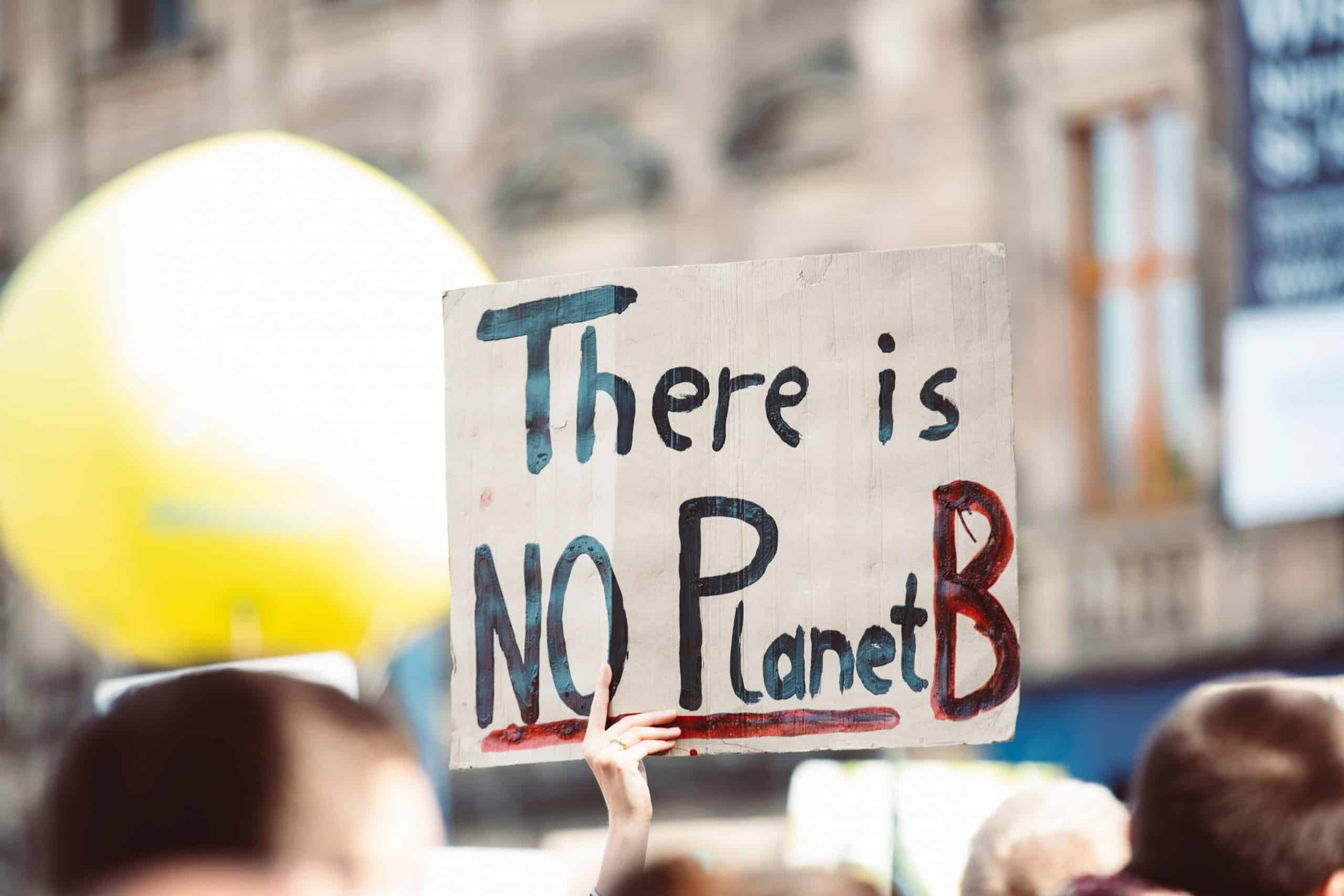
Unfortunately, the climate has already warmed by 1 degree by 2019 – so even more efforts need to be made to achieve the target. So far, only a small proportion of the countries that have signed up have taken the necessary measures for effective climate protection.
Stopping the energy transition?
As you have already read in the chapter “Phasing out coal-fired power generation”, Germany is to phase out coal-fired power generation by 2038 at the latest. Due to the war of aggression in Ukraine and Germany’s dependence on Russian natural gas (55% of natural gas comes from Russia), more and more voices are being raised to postpone the phase-out of coal-fired power generation. The reason for these considerations is the fear of not being able to compensate for the security of energy supply due to reduced gas supplies from Russia next fall. Even if Economics Minister Habeck remains committed to the energy transition in the long term and thus wants to guarantee energy independence, many small-scale, party-political considerations are unfortunately playing a role.Now is the ideal time to push ahead with the energy transition on a massive scale – at a faster pace than in the last 10 years, mind you. This is because a familiar dilemma is emerging: ambitious plans that unfortunately cannot be turned into reality so quickly. Protesting citizens; ministers who oppose the expansion of wind energy; lengthy approval procedures; inflexible construction plans; long construction times; exploding costs; a lack of tradespeople; unruly decision-makers.
We are currently seeing an enormous upturn in lignite production in the USA. In recent years, gas prices have fallen to such an extent that electricity suppliers have all turned to gas. This has changed abruptly. Compared to the previous year, gas prices have doubled in 2021, causing utilities to switch back to coal and giving coal producers full order books like they haven’t had for a long time.
In our second part, “Lignite – alternatives and future prospects”, you can find out more about possible alternatives to fossil fuels, get an overview of renewable energy providers and tips for operating your infrared heating system.
Conclusion
Phasing out coal is important and the right thing to do – the sooner the better. For the environment and for us humans. Unfortunately, there are always delays, blockades, problems or party political reasons against ending coal energy. What we need are new, innovative ideas to enable and expand alternative energies. For example, you can also operate our infrared heaters with a photovoltaic system – completely free of coal power. ?
Each and every one of us can make a contribution – let’s get started!
Want to know more?
We are delighted if we have been able to interest you in this topic. There is a lot more exciting information to discover. Would you like to find out more about fossil fuels, for example? Or are you particularly interested in the 25 best tips for saving energy? Just visit our blog regularly – it’s worth it!
If you have any further questions, our friendly customer service team will be happy to help you – by phone, email or chat. We look forward to hearing from you.