You may have already seen the Greenguard logo on our information flyer or you may have come across the logo in another context. In this article you will find out more about the background to the certification – why such a logo was developed in the first place, who is behind it and why the logo is also an important indicator for you.
Volatile organic compounds
Let’s start with a brief introduction to the world of volatile organic compounds (VOCs). VOCs describe gaseous and vaporous substances of organic origin in the air. These include, for example, hydrocarbons, alcohols and organic acids.
Volatile organic compounds are found in practically all indoor air, but are generally so low that there is no risk of any adverse health effects. However, as is so often the case, there are exceptions to the rule – because VOCs arise from very different sources. Volatile organic compounds are released into indoor air when solvents evaporate or products dry out – whether through materials or products such as floor, wall and ceiling materials, paints, varnishes, adhesives and furniture.
As we tend to spend more time indoors than outdoors in Europe, indoor spaces are a perfect place for the absorption of unwelcome chemicals. For this reason, the German Advisory Council on the Environment (SRU ) has defined what falls under the term “indoor space” and how the guide values for these spaces are defined:
1. private homes with living rooms, bedrooms, craft rooms, sports rooms and cellars, kitchens and bathrooms
2. Workspaces in buildings that are not subject to the scope of the Hazardous Substances Ordinance (GefStoffV) with regard to hazardous substances, such as offices
3. Interiors in public buildings (hospitals, schools, day care centers, sports halls, libraries, restaurants, theaters, cinemas and other public event rooms)
4. Interiors of motor vehicles and public transport
In connection with volatile organic compounds in indoor spaces, the total concentration should be below 0.3 mg/m³ in order to be considered hygienically safe. You can find detailed information on the indoor guide values here: https://www.umweltbundesamt.de/themen/gesundheit/kommissionen-arbeitsgruppen/ausschuss-fuer-innenraumrichtwerte#ausschuss-fur-innenraumrichtwerte-air
Health effects
Depending on the organic compound and whether the guideline values are exceeded, volatile organic compounds can have both immediate and long-lasting effects. These include fatigue, headaches, reduced performance, susceptibility to infection, perception of smell and taste, irritation of the eyes, nose and throat, runny nose, watery eyes, dry mucous membranes, dry skin or itching.
In addition, some VOCs can have carcinogenic, mutagenic and reprotoxic effects. However, these substances may generally no longer be used in the end product (Chemicals Prohibition Ordinance).
It is therefore important to remember that the products you use to build and furnish interiors have a major impact on indoor air pollution.
But how can you protect yourself?
There are various options here: intensive ventilation during and after completion of the work reduces increased VOC concentrations or avoids them altogether. It is therefore advisable to allow time for volatile organic compounds to outgas before using buildings, rooms or products for the first time.
You can also opt for low-emission products in the construction and furnishing sector or use materials that carry the Blue Angel . Another eco-label is the Greenguard logo, which provides information on the effects on the indoor climate in two certification levels with the help of tests and checks of the manufacturing process.
Who is behind the certification?
In 1996, a voluntary certification was developed based on the specifications of the US Department of the Environment and the State of Washington, USA, in order to improve the quality of indoor air. The independent organization Greenguard Environmental Institute, founded in 2001, further developed this certification and was taken over 10 years later by the safety research company UL Environment. Today, the company is the international standard for the labeling of low-emission products.
In addition to the standard certification, Gold certification has been available since 2005. This was developed to increase and improve the requirements for indoor air quality in sensitive environments such as schools, nurseries and healthcare facilities. We would also like to offer you this high standard – because it is important to us that you enjoy your infrared heater for a long time and that we can offer you a product that is safe for your health.
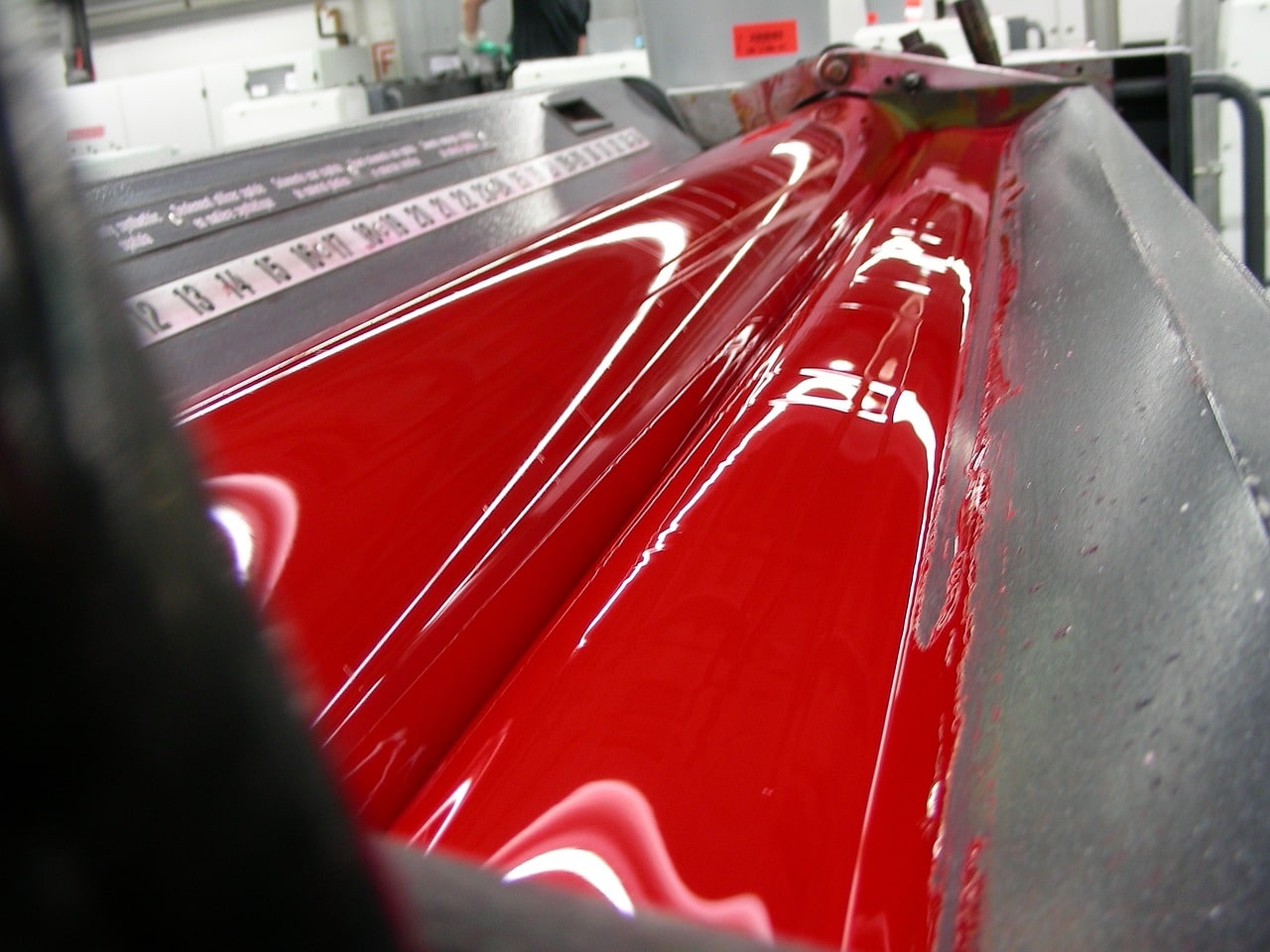
We are therefore delighted that our printing inks from Canon, which we use to print our picture heaters for you, have been awarded Gold certification and meet the strictest requirements for volatile organic compounds.

What is certified?
There are currently around 10,000 products from 19 industries from over 350 manufacturers on the market that are certified by UL Environment-Greenguard. In order to maintain certification, the products must undergo regular testing and annual recertification. This way you can be sure that the certification is always up to date.
Conclusion
The Greenguard certification makes it easier for you to choose between different products and guarantees that they are harmless to your health indoors. Of course, you will also find this information on our printable photo heaters – because it is important to us at Könighaus that you get a high-quality, safe and durable infrared heater that you can enjoy for a long time.
Want to know more?
We are delighted if we have been able to show you new aspects of infrared heating. There is a lot more exciting information to discover. For example, would you like to find out more about customizable photo heaters? know? Or are you interested in how a desk heater works? Then just visit our blog regularly – it’s worth it! If you have any further questions, our friendly customer service team will be happy to help you – by phone, email or chat. We look forward to hearing from you.