The extreme saver. What does he do without? What is the motivation behind the extreme savings concept? Where is the limit – when is extreme saving no longer healthy? What are the consequences of not heating your home at all in winter to save money? Spoiler: this idea is neither good for you and your health nor for the fabric of the building.
The extreme saver: this is what everyday life looks like
What is the actual motivation behind “extreme saving”?
Building up assets, paying off loans quickly, the desire for financial freedom and early retirement. But simply having few financial resources available can also be a reason for the “extreme saving” model.
The term for someone who saves by doing without and invests their money at the same time is frugalist. The idea is to invest a large part of your income and let it “work for you”. The whole thing is continued individually, for example until your early or mid-40s. The main goal of frugalists is to enable themselves to retire much earlier and thus enjoy a bit of freedom.
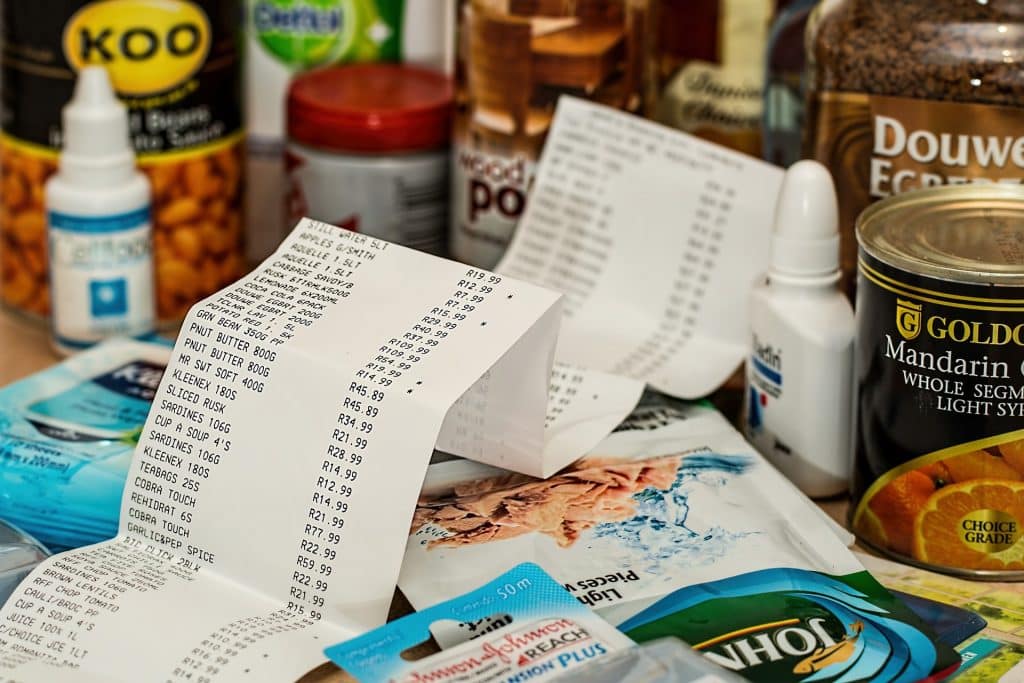
Extreme savers are price-conscious in all facets of life. Grocery shopping is carefully planned. Catalogs are scoured for offers and coupons and the size of the shopping basket is calculated in advance. Savings are also made when buying clothes and furniture and second-hand stores or outlets are often used. Reducing living space and consequently rent is also part of the concept. Vacation trips are taken rarely or not at all.
And finally, people are saving on gas and electricity, especially this winter. Not only in extreme savings circles, of course, but also in almost all German households. But what happens …
… if you do without heating altogether
Just 1 degree less room temperature should lead to 6% energy savings. Many Germans want to save on heating costs and heat less this fall and winter. However, going to the extreme of not heating at all can have health consequences for you and cause damage to the building fabric, such as
- Damp walls
- Mold formation
- Problems with humidity
- rotten old window frames
When it comes to saving on heating costs, everything should be done in moderation. A warm sweater and woolly socks can certainly make up for a degree or two less room temperature, but you shouldn’t have to freeze. Instead, take a look at our tips on how to heat efficiently.
Tips for saving money in everyday life (for everyone)
Efficient heating. The Federal Association of the German Heating Industry states that around 50% of all heating systems do not work efficiently. This mainly affects older models. The heating check for gas heating systems is to become mandatory. However, specialist companies are also working to capacity and it is difficult to arrange appointments promptly.
However, there are a few things that each of us can do ourselves. The easiest way is to make sure that the radiator is not covered by curtains or behind furniture.
You can vent your radiator yourself. This ensures that the air escapes from the heating circuit and that the hot water distribution is as efficient as possible. And very importantly: setting up your thermostat individually. Many thermostats remain in the factory settings as supplied. Adapt the settings to your living situation, your routines and the building fabric. Set the thermostat to lower the temperature automatically during the night or during periods when you are away from home.
Write a shopping list. The easiest tip for saving money when grocery shopping is the “shopping list”. And as the saying goes, you shouldn’t go shopping hungry ?. The consumer advice center will tell you which fruit and vegetables are available regionally and seasonally in the supermarket. The great thing is that regional and seasonal fruit and vegetables are good for the climate. The planet is happy about short transportation routes and you can look forward to fresh food with fewer pesticides – compared to imported goods. You can find the link to the information from the consumer advice center in the sources section below.
Household electricity. As a rule, everything that is heated consumes a lot of energy. Eco mode in dishwashers and washing machines, for example, works at cooler temperatures. Have you ever tried this? The consumer advice center states that a tumble dryer consumes 3-4 times more electricity than the washing machine itself. So put your laundry on the line!
Electrical appliances such as televisions also consume energy in standby mode. This consumption can be easily avoided by using a power strip to switch them on and off.
Sick saving
The idea of extreme saving is entirely justified. Especially if it is linked to a goal. For example, paying off a large loan in x years. However, extreme saving can also develop into a compulsion. Compulsively always buying the cheapest thing or not buying at all, even though you could afford it. Forgoing pleasure and, in the worst case, risking your own health (like not heating at all in winter). A short haircut just to save water when washing your hair …
… When saving takes such a direction, we no longer speak of extreme saving, but of stinginess. Stinginess can not only take the form of “spending as little money as possible”, stinginess also exists in the interpersonal sphere: being stingy with recognition and affection.
Don’t forget: be generous to yourself
Despite all thriftiness – be generous to yourself. Be generous to others. As we have learned, this does not always have to go hand in hand with money. You can also be generous in the sense of tolerance and attentiveness. Generosity helps your body and mind stay healthy. The AOK has formulated a few tips on how to stop being stingy and learn to be generous.
Conclusion
Extreme saving with a goal yes. Pathological saving no. The same applies to “not heating at all”: the long-term damage outweighs the short-term benefit. In our tips, we have put together what you can do yourself to heat efficiently.
Always be generous to yourself and your loved ones. Treat yourself to something nice from time to time. And above all: don’t skimp on your health!
Want to know more?
We are delighted if we have been able to show you new aspects on the subject of heating. There is a lot more exciting information to discover. Take a look at our article on the optimum room temperature. Or would you like to find out about the benefits of desk heaters? Just come back to our blog regularly – it’s worth it!
If you have any further questions, our friendly customer service team will be happy to help you – by phone, email or chat. We look forward to hearing from you.