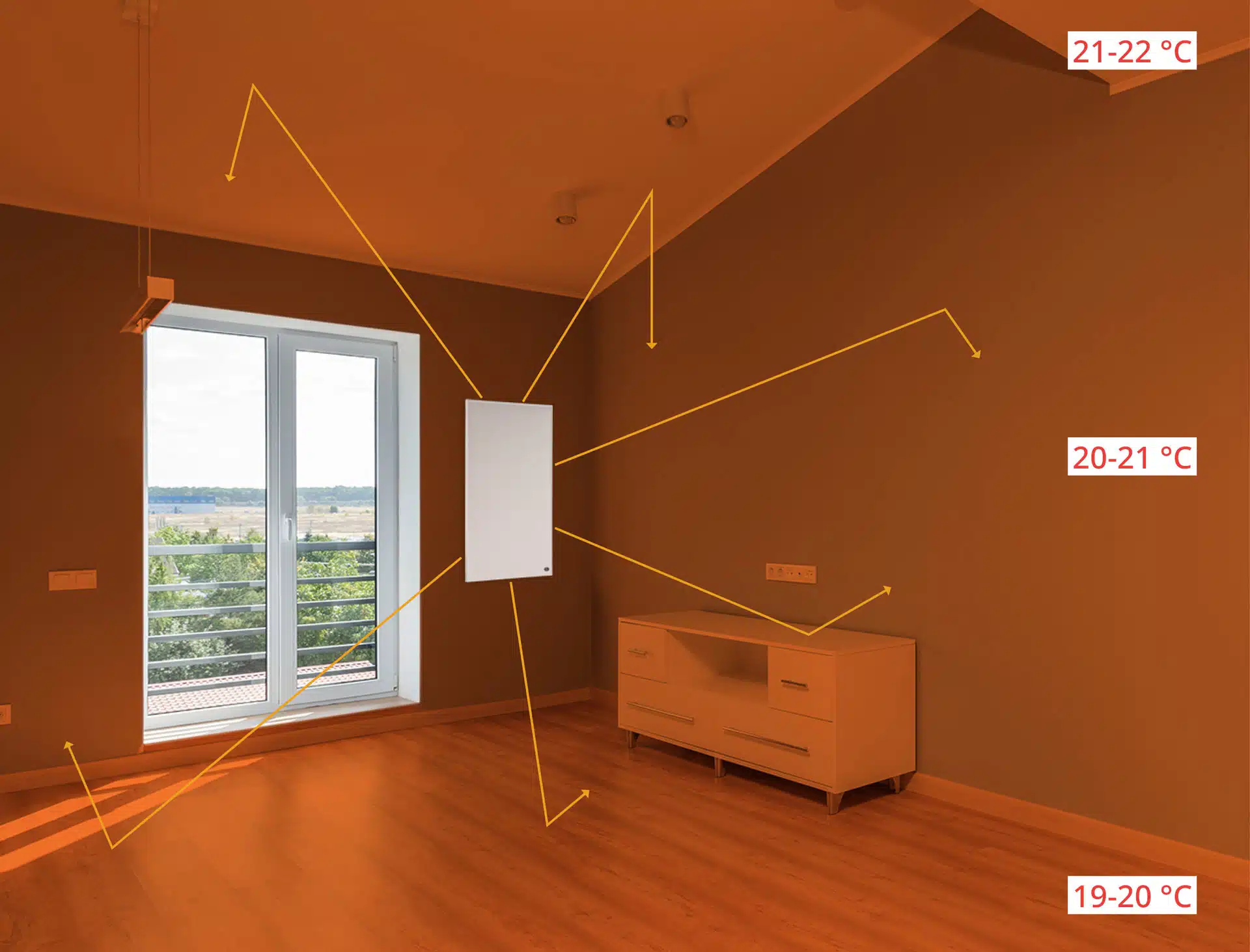
It’s winter. Winter – Advent and Christmas time. The popular time of year for cozy candlelight. Despite the short days and contemplative mood, many a thought revolves around a high electricity bill. So it makes sense to replace the cold LED lighting with warm candlelight.
What material are candles actually made from? And what does this mean for the environment? You can find out this and more in this blog post.
Let’s first take a look at the average candle consumption of Germans. The European Candle Association states that this is 2.2 kilograms of candles per year. Compared to other European countries, Germany is in the middle of the field with this figure. The Scandinavian countries have the highest consumption in Europe, which is due to the distinct winters.
The raw material
Both raw materials and production technology are variables in the candle industry. Notable raw materials are the following
- Kerosene
- Stearin
- Beeswax
- Soybean oil
- Rapeseed oil
Kerosene
Germans are particularly fond of kerosene candles. However, in terms of their carbon footprint, these are not considered environmentally friendly. Kerosene wax is made from the fossil raw material “crude oil”. Kerosene is a by-product of lubricating oil production. However, the production process is constantly being refined so that less and less of the by-product is produced. The shortage of kerosene is causing raw material prices to rise. Kerosene wax is also increasingly being imported. The long transportation routes also play a part in the price increase and have a negative impact on the environment.
Stearin
Stearin is an alternative to kerosene and is considered to be of higher quality. Vegetable and animal oils and fats are used to produce stearin. Coconut and palm oil form the vegetable basis. Animal fats are obtained from slaughterhouse waste. Although candles made from slaughterhouse waste are not vegan, they are sustainable thanks to the recycling of leftovers. The use of palm oil, on the other hand, is controversial. This is because large areas of rainforest are cleared for the cultivation of oil palms, particularly in South East Asia. The rainforest is considered nature’s green lung and is gradually being destroyed as a result.
Nevertheless, stearin candles often have a longer burning time than kerosene candles. The release of soot and fine dust is also lower than with the kerosene version.
Beeswax
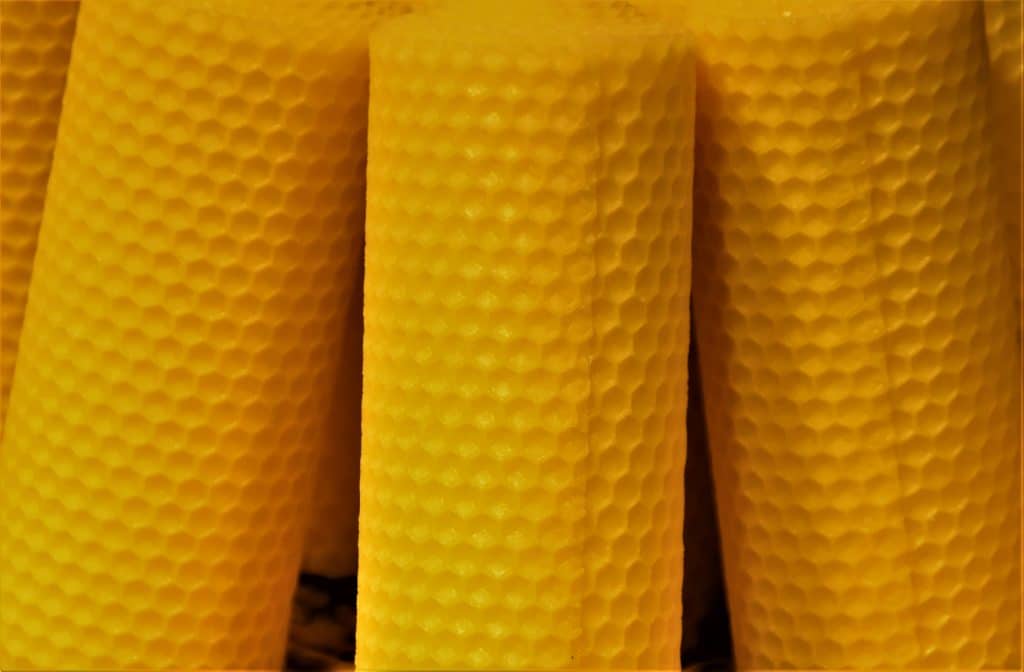
Candles based on natural beeswax are considered environmentally friendly. The worker bees excrete the wax to build their honeycombs. The wax product from organic beekeeping is particularly sustainable. However, beeswax candles only account for half a percent of the market. Natural wax candles are somewhat more expensive, as beeswax is a scarce commodity. Due to its scarcity, there is not enough beeswax to supply everyone with candles. This means that although the raw material is natural, it is not a universal solution. Imports of beeswax from South America, Africa and China also require long transportation routes and are not good for the ecological balance.
Soybean and rapeseed oil
Soybean oil is extracted from the soybean. This is further processed into a wax-like product. Candles based on soybean oil are considered sustainable, burn more slowly than kerosene candles and burn almost soot-free. However, a large proportion of soybean oil is imported from the USA.
Unlike soybean oil, rapeseed is grown regionally. This makes it more sustainable in terms of its ecological footprint. However, candles made from rapeseed oil are not yet established on the mass market and are considered more of a niche product. Just like soybean oil candles, rapeseed oil candles are on the more expensive side.
Release of pollutants
During the combustion process of a candle, oxygen is extracted from the room air and pollutants are released. The level of pollution ultimately depends on the candle.
The NRW consumer advice center advises using scented candles. Scented candles can cause allergies and headaches. Chemical fragrances also pose a health risk. The chemicals can settle in fatty tissue and in breast milk.
Although plants incorporated into the candle are decorative, they also burn other substances that are released into the room air. The recommendation is therefore to use plain candles without plant components or glitter.
Tip: When buying candles, look out for the RAL Quality Mark. This gives you information about low-pollutant and even burning.
Indoor air quality
With regard to indoor air quality, the Fraunhofer Institute writes that burning candles releases volatile substances. These include carbon dioxide and carbon monoxide. Fragrances added to candles cause further volatilization.
A higher release of pollutants is favored by a flickering candle. Flickering is triggered by a wick that is too long, for example. The perfect wick length is approx. 1 cm. Make sure to shorten it to this length before each lighting. Draughts also cause the candle to flicker.
After the candles … air …
Regular (shock) ventilation is recommended for various reasons. On the one hand, there is humidity that wants to escape from the room. On the other hand, ventilation after using candles helps to remove harmful substances from the room. In this article we have learned that ventilation or draughts cause a flickering flame. Therefore, draughts should be avoided when burning candles.
Conclusion
Every material from which candles are made has advantages and disadvantages. When buying candles, look for the RAL Quality Mark to be on the safe side. Also follow the tips from the NRW consumer advice center and, if possible, avoid scented candles and candles with other ingredients such as plants or glitter. Avoid a wick that is too long and draughts. This encourages a flickering flame, which releases more harmful substances.
Want to know more? The extraction of fossil fuels such as crude oil is harmful to the environment. Crude oil is not only contained in kerosene candles, but also serves as fuel for oil heating in the form of “heating oil”. Here you can find out how heating oil is produced from crude oil.
Are you also interested in what you need to consider when airing your home properly outside of the candle season? Then take a look at this article on ventilation in summer and winter.
You can also find an informative article on how infrared is good for your body here. Especially now, during the winter and cold season, you can benefit from the advantages of infrared.