Time and again, homeowners are affected by water damage – the causes are manifold. But water damage can have devastating consequences, from damaged furniture and flooring to structural damage and mold growth. In this article, you will learn how infrared heaters can protect against moisture damage in the home or help to limit the damage quickly and cost-effectively.
How does moisture form in the house?
There are various causes of moisture damage in the home:
- Condensation: This is one of the most common causes and occurs when warm air meets cold surfaces. This is often seen on windows, walls and mirrors, especially in rooms with high humidity such as bathrooms and kitchens.
- Leaking pipes and sanitary facilities: Leaks in pipes, taps, showers and toilets can lead to moisture problems.
- Poor ventilation: Inadequate ventilation in rooms such as bathrooms, kitchens and laundry rooms can lead to insufficient removal of moisture in the air.
- Structural damage: Cracks in walls, leaking roofs, windows and doors as well as defective insulation can encourage moisture to penetrate the house.
- External influences: Basements in particular are susceptible to moisture due to condensation, leaking foundations, pressing groundwater, heavy rain or flooding.
As a result of the causes mentioned above, damp can lead to various problems. Dampness in the home can not only cause unpleasant odors and damage to furniture and textiles, but can also affect your well-being and endanger your health. It can also cause structural damage such as rotting wooden structures, damaged drywall or masonry damage.
Another problem: if water damage cannot be dried quickly enough, many molds will find optimal growth conditions after just a few days. Mold is not only a danger to the building fabric, but also to your health! We have here more information on the subject of mold infestation.
So what should you do if rooms are affected by damp?
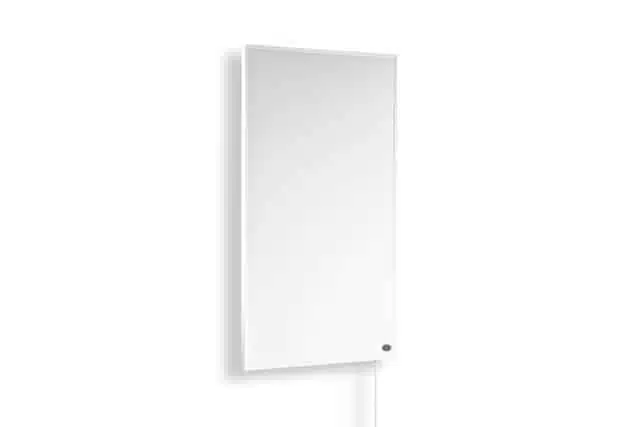
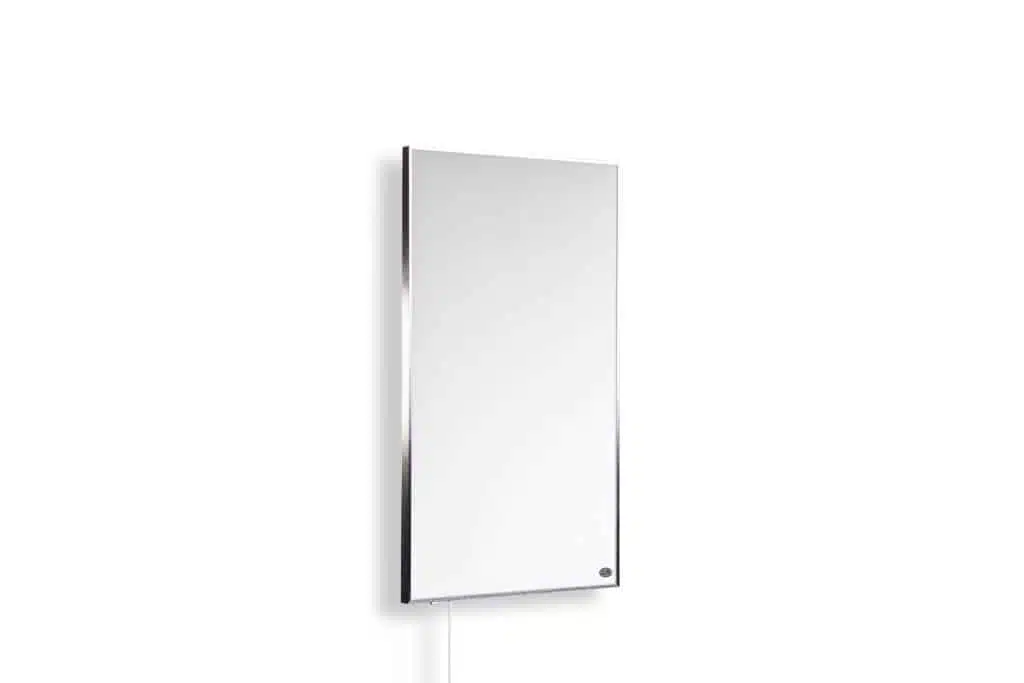
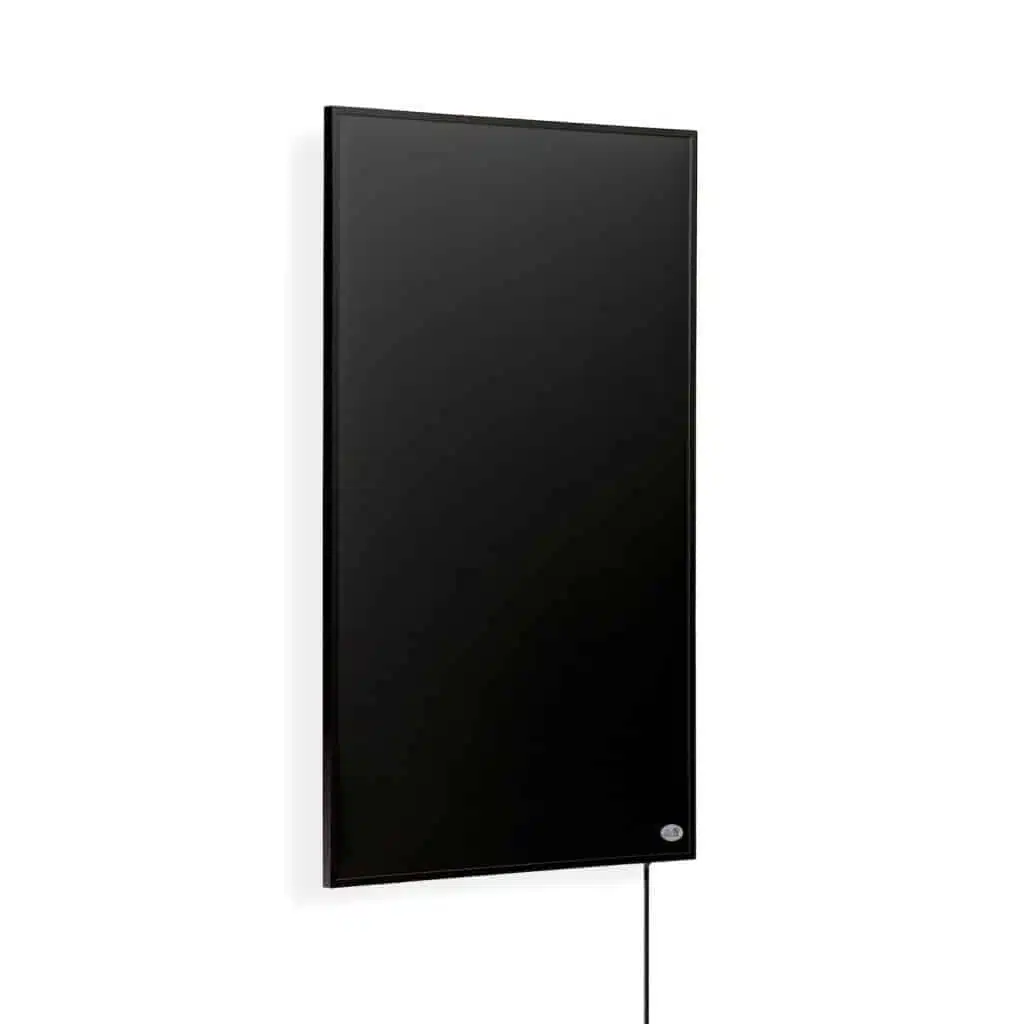
In such situations, effective drying is crucial to eliminate the moisture and restore the indoor climate. Infrared heaters can help to protect the affected rooms from moisture damage. By directly heating floor coverings, furniture and walls, moisture is efficiently extracted, minimizing the risk of damage caused by moisture. This is particularly important in rooms such as basements, which are susceptible to moisture and flooding.
When combating moisture damage in the home, it is important not only to treat the symptoms but also to tackle the cause. Infrared heaters offer an effective solution. Targeted heating of the affected surfaces efficiently removes moisture, leading to rapid drying and significantly reducing the risk of mold growth.
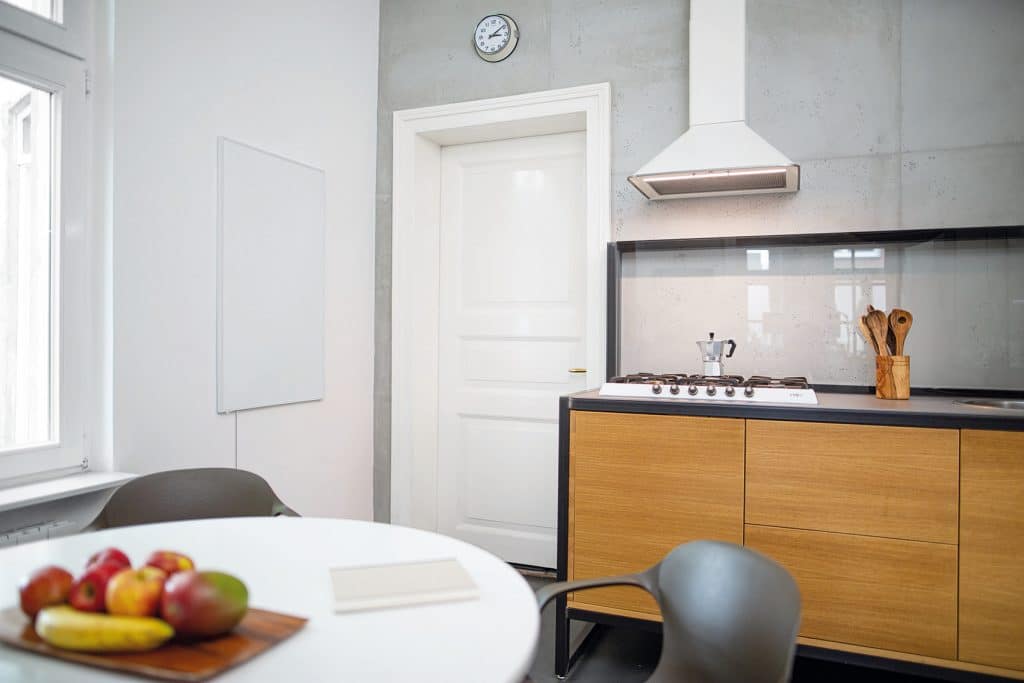
How an infrared heater works
The medium and long-wave infrared rays heat people, objects and surfaces by means of a direct thermal effect without first heating up the ambient air. The heated objects then transfer the heat to the room air. The immediate warming is perceived as very pleasant, similar to the sun’s rays.
Compared to conventional heating systems, infrared heaters offer even heat distribution and prevent hotspots, resulting in efficient drying without overheating. Moisture is effectively removed and the formation of condensation is reduced – the risk of mold growth is significantly reduced.
Prevent moisture formation
- Good ventilation: Ensure sufficient ventilation, especially in rooms such as the bathroom, kitchen and laundry room, to remove moisture. You can find more information on this topic in this blog post.
- Regular maintenance: Regularly check pipes, sanitary facilities, gutters and drains for leaks.
- Insulation and sealing: Make sure the house is well insulated and sealed to prevent moisture ingress.
- Use of dehumidifiers: These can help to remove excess moisture from the air.
- Heating: Use efficient heating systems such as infrared heaters to reduce condensation on cold surfaces and remove moisture. Another advantage of infrared heaters: They keep the temperature and humidity in living spaces constant and ensure that the walls do not cool down or become damp. A space-saving, cost-effective and flexible way to take preventative action.
Energy efficiency and environmental compatibility
Infrared heaters are not only effective, but also energy-efficient and environmentally friendly. As they heat the surfaces directly, less energy is required than with conventional heating systems that heat the air in the room. This results in lower energy costs and lower CO2 emissions, which is both financially and environmentally beneficial.
Conclusion
Damp in the home can have various causes and can lead to serious problems. However, by understanding the causes and implementing suitable measures to prevent and eliminate them, the formation of damp can be prevented.
Want to know more?
We are delighted if we have been able to show you new aspects of infrared heating. There is a lot more exciting information to discover. For example, would you like to find out more about photovoltaic systems know? Just check our blog regularly – it’s worth it! If you have any further questions, our friendly customer service team will be happy to help you – by phone, email or chat. We look forward to hearing from you.