With so many different options and different heating technologies on the market, choosing a heating method for your home requires careful consideration. Some people ask the question: are infrared heaters safe or dangerous? Before we answer this question, you should first think about what you need the heating for. Do you only want to heat individual rooms or the whole house? Will the heating be added to an existing heat source? This will help you to narrow down your choice from the wide range of different heating methods available.
What heating methods are available – and which is the right one?
We have put together an overview of the most common types of heating and listed their advantages and disadvantages.
1. oil heating
Advantages
You can choose your own oil supplier after comparing the costs
Inexpensive to operate
Disadvantages
Dependence on the oil price and suppliers
Poor environmental balance
Regular maintenance required
HighCO2 balance
2. gas heating
Advantages
very efficient
Disadvantages
Gas connection or gas tank required
Fossil fuel
Dependence on gas prices and suppliers from abroad
3. heat pump
Advantages
Use of renewable energies
Can be combined with solar energy
High efficiency
Disadvantages
Costs depend on the electricity price
High flow temperature
4. solar thermal energy
Advantages
Long-lasting
Independent of fuels
Use of renewable energies
100 percent climate-neutral
Possible in combination with a heat pump
Disadvantages
High solar radiation required for the collectors
Possibly high acquisition costs
Solar collectors cannot cover the building’s entire heating requirements
5. photovoltaics and electricity
Advantages
Use of renewable energies
No dependence on fuel prices
Produced electricity can be used by the user
Surplus energy can be fed into the grid
Combination with infrared heating possible
Disadvantages
Limited and sometimes expensive storage options
Collectors dependent on solar radiation
High acquisition costs
6. pellet heating
Advantages
Low maintenance
Pellets can be chosen by the customer after comparing the costs
Climate-friendly
Can be combined with other heating systems
Disadvantages
High purchase costs
The level of particulate matter and nitrogen oxides is sometimes higher compared to other heating systems
But how do infrared heaters work?
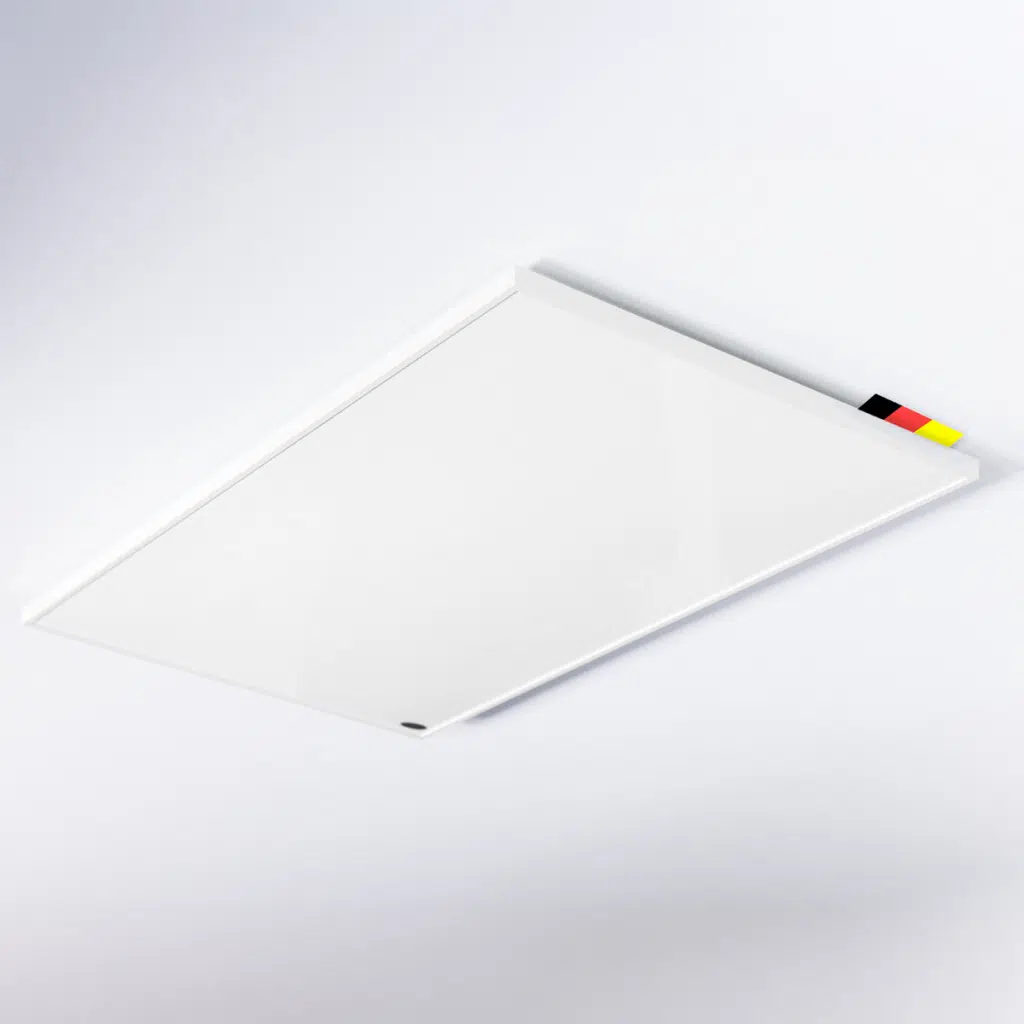
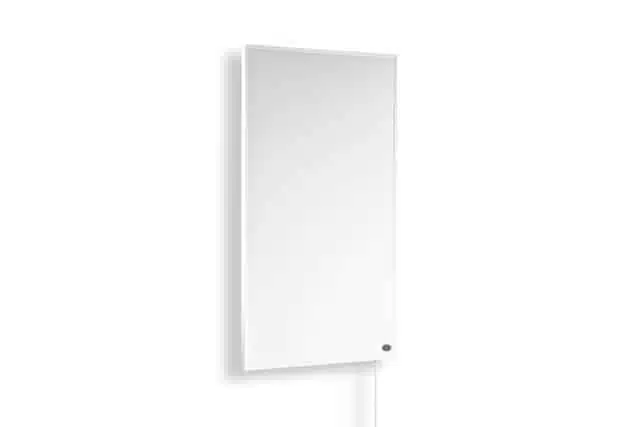
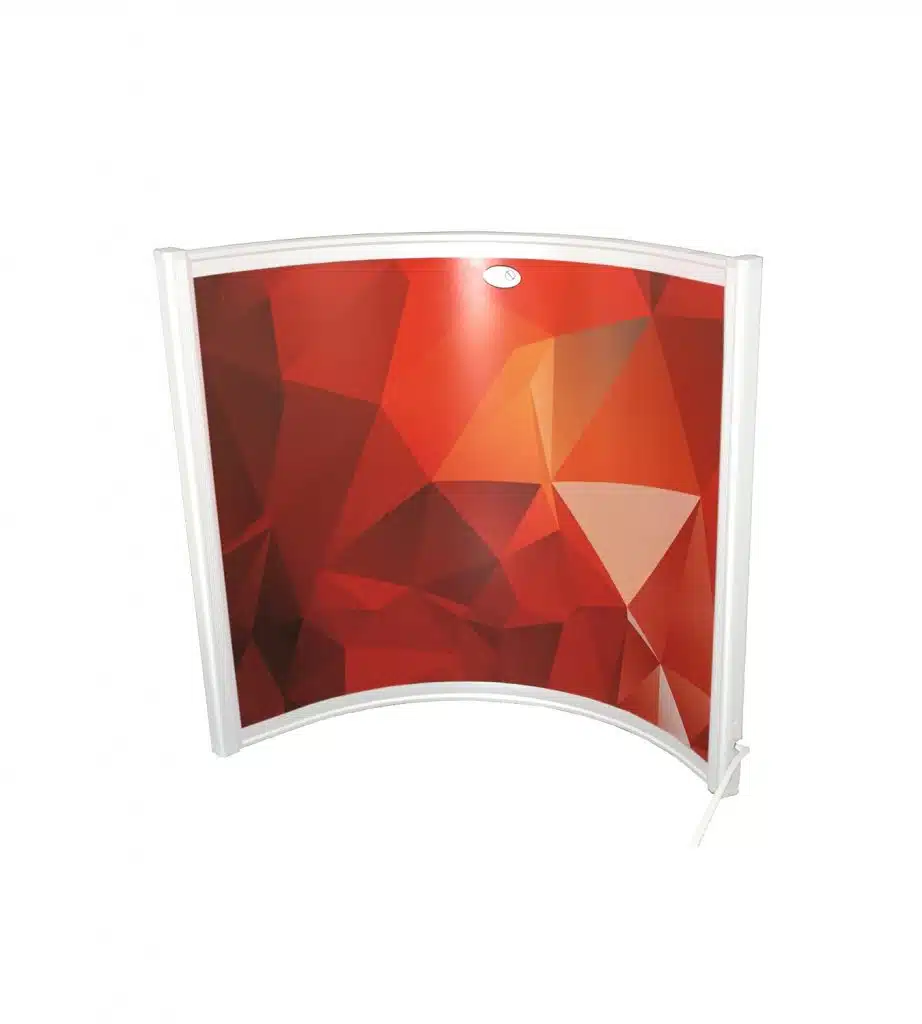
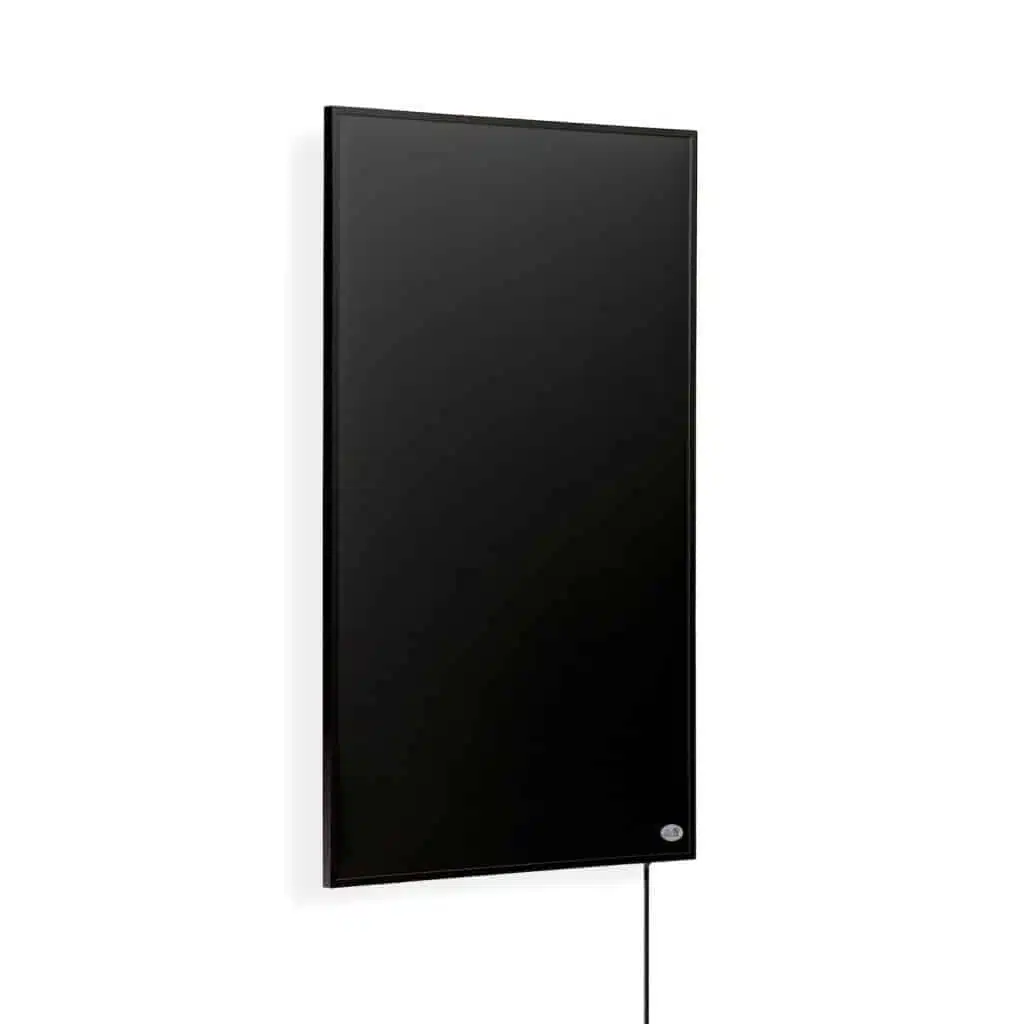
The heating layer of the infrared heater generates medium and long-wave infrared rays, which directly heat people, objects and surfaces without first heating the ambient air. The heated objects then transfer the heat to the room air.
Thanks to the fast and efficientheat generation, you don’t have to wait long for the room to heat up. You can set and regulate the time and duration of the heating as required using the socket thermostat supplied. Whenthe temperature is reached, the heater switches itself off and its overheating protection ensures that it is not overloaded. In addition, the purchase costs of a Könighaus infrared heater are low compared to conventional heating systems. The heater is supplied complete with drilling template, operating instructions and installation materials, no further precautions are necessary.
The infrared heater consists of a heating conductor that converts electrical energy into heat. The heating layer made of copper filaments and carbon crystals is characterized by particularly good conductivity. Above the heating layer is a heat-resistant plastic fiber surface, which is reinforced with a back panel and embedded in a frame.
A conventional wall-mounted radiator, on the other hand, works with convection: cold room air is heated and rises upwards. As the warm air rises, cold air flows in. The resulting air circulation is often perceived as draughty. In addition, the rotating air stirs up dust, which is disadvantageous for allergy sufferers.

Are infrared heaters dangerous?
Infrared heaters offer numerous health benefits and ensure a comfortable living space temperature. Nevertheless, as with all other heating devices, safety precautions must be taken by installing the infrared heating panels at a safe distance from the heated objects, such as a crib or sofa. As a general rule, the distance between an infrared heater and the object to be heated should be a maximum of 2.5 meters. As your health is important to us, please always read the instructions for use available online for each infrared heating model. If you have any questions, please contact our customer service.
Wall or ceiling mounting is the most common choice when installing infrared panels. Before buying, look for test seals and safety certificates, such as a TÜV certificate or a GS seal for tested safety. You will of course also find these seals on our heaters. In addition, each infrared heater has an IP protection class, which is indicated by two codes and provides information about protection against contact and foreign bodies (1st code) and against water (2nd code). For use in the bathroom, the 2nd IP code number should be at least 4.
In the equipment features of the respective heaters, you will also find information on the safety of the heater model, such as the mention of toggle switches for switching on and off or overheating protection.
Conclusion
Which heating method you choose is a very individual matter. It is important that you familiarize yourself with the various heating options so that you can accurately assess your needs. In addition to your individual preferences, your living situation, location and financial situation can also influence your decision.
If you decide to buy an infrared heater, always make sure that the heaters have test seals and safety certificates. This means you can be sure that the materials have been tested and approved.
Want to know more?
We are delighted if we have been able to show you new aspects of infrared heating. There is a lot more exciting information to discover. How about the 16 tips for heating your home cost-effectively? Or our article on pellet heating systems… just check our blog regularly – it’s worth it! If you have any further questions, our friendly customer service team will be happy to help you – by phone, email or chat. We look forward to hearing from you.