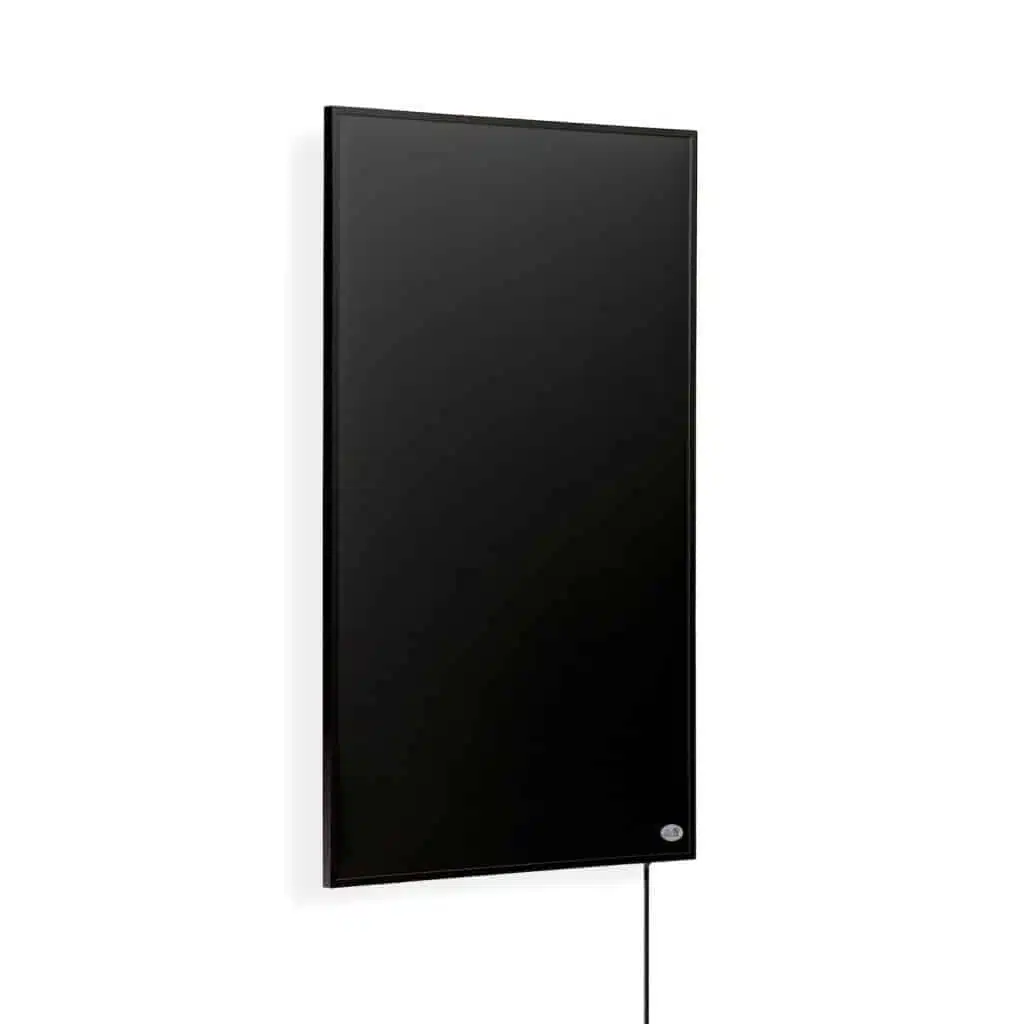
We can all assume that electricity and gas will not become cheaper in the near future. The rise in costs plus the current and future effects of the climate crisis are encouraging more and more people to look into the issue of electricity and gas generation. Reason enough for us to address this issue too. After all, our infrared heaters can also be operated with 100 percent renewable energy. So the question arises: photovoltaic system – rent or buy?
Advantages and disadvantages
At first glance, you might think that renting a photovoltaic system is cheaper. After all, the purchase of a system alone is a big cut in the budget and the subsequent costs of buying a photovoltaic system are also not negligible. But let’s take a closer look at the whole thing. (Note: these figures are approximate and may vary depending on the provider).
Costs incurred when purchasing an investment
When buying a photovoltaic system, you can expect investment costs of between 7,000 and 15,000 euros. There are also annual operating costs. But how does this wide price range come about? We list some decisive factors here:
- Planning
- Roof shape, angle and pitch
- Costs for scaffolding
- Necessary work on the electrical system or structural measures
- Size of the system
- Solar modules (there are five different module types, which differ in price and advantages/disadvantages)
- Inverter and connection
- Cabling
- Mounting system
- Working hours for assembly
- Feed-in management (from 25 kWp)
- Connection to the power grid
Furthermore, measurement/control systems and protection systems to protect the system from negative environmental influences:
- Smart meter
- Control device
- Data logger
- Lightning/surge protection
- Fire department switch
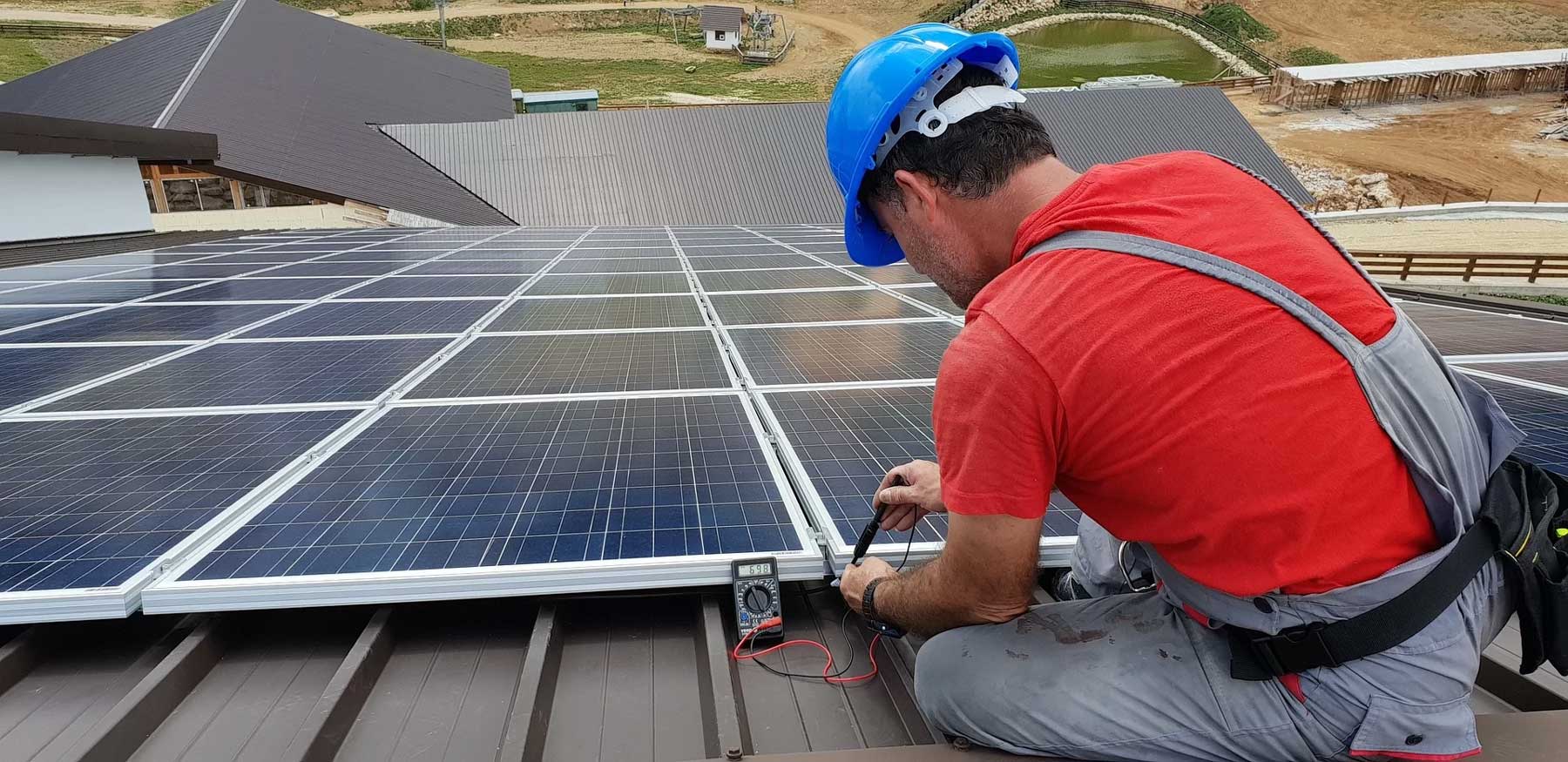
If the photovoltaic system is in operation, regular maintenance must be carried out. The usual maintenance interval here is 2 to 4 years. The costs are around 0.6 to 1.6 % of the total costs. Another point is the cleaning of the solar modules. Of course, you can also clean the modules yourself, for example with a telescopic pole, but you should not have to climb onto the roof to do this. You can also hire a cleaning company to remove bird droppings, leaves and moss from the modules. They calculate the price for cleaning based on square meters and accessibility. The price is usually between 1.00 and 2.50 euros per square meter. What is still missing are the rental fees for an electricity meter and photovoltaic insurance against damage such as hail, vandalism, theft … and the resulting loss of income.
Let’s summarize the annual operating costs once again:
Inverter replacement incl. installation (every 10 years)
- Maintenance (2-4 years)
- Cleaning (every 1-2 years)
- Electricity meter rental (annual)
- Insurance (annual)
As you can see, there are many points to consider before buying a photovoltaic system to avoid being surprised by the costs at the end.
How do the rental models work?
If a photovoltaic system is rented, the complete system is provided, installed and maintained over the rental period. Put simply, renting a photovoltaic system works in a similar way to leasing a car: the provider places the system on the roof of the house in return for a fee. The homeowners thus only provide the required roof area and pay fixed fees in return for the use of the electricity generated. The term of the contract is usually between 15 and 20 years. Afterwards, homeowners have the choice of extending the rental period of the system, purchasing the system at the current market value or having it dismantled.
Renting instead of buying – is it worth it?
Compared to buying a system, let’s take a look at the costs of the rental option. The advantages of renting a photovoltaic system are obvious:
- You don’t have to save up a large sum of money to buy an investment.
- Many providers offer an all-round carefree package.
- The rent will not change over the next 15-20 years, which provides planning security.
But what are the disadvantages?
- As a rule, the rent added up over the years is higher than a purchased system and its installation.
- Providers like to argue that the annual increase in electricity prices is significantly too high in order to calculate the rental costs
- Please note: without storage, you will generally achieve an electricity self-consumption rate of around 30 percent. This raises the question: can the electricity only be used for your own needs or is the surplus electricity fed into the grid for the benefit of the tenant?
- If no electricity is produced by the system (for example in the evening or at night), you have to buy additional electricity.
- As the facility is only rented, your property will not increase in value
- Even if the providers argue with terms such as “all inclusive”, as a tenant you have to take care of taxes and contacting the network operator yourself.
In summary, it can be said thatrenting a photovoltaic system is more expensive than buying one. If you have the necessary equity, buying is preferable to renting. This way you retain control, are flexible in the event of change requests and are not dependent on third parties.
Why install a photovoltaic system at all?
If you want to do something for the environment, a photovoltaic system is a good choice. After all, the system is powered by the sun – and therefore does not consume any fossil fuels. But a photovoltaic system is also a worthwhile investment from an economic point of view in most cases. Electricity and gas are becoming increasingly expensive. Due to the current events in Ukraine and the resulting problems, dependence on fossil fuels has long since ceased to make sense. Unfortunately, Germany has consistently missed its renewable energy target since 2016 and is lagging behind accordingly. Instead, energy consumption in heat generation and transportation continues to increase.
A system on your roof pays for itself all the faster, the more of the solar power you use yourself. Remember: you have to pay much less for the electricity from the roof than for electricity from the grid. As a rule, you can consume around 30 percent of the electricity yourself, and up to 70 percent with a battery storage system. Another plus point: you are less dependent on the electricity provider.
You receive a feed-in tariff for the electricity that you feed from your system into the public grid. This is currently 8.2 cents per kilowatt hour (for systems up to 10 kWp).
Heating with electricity?
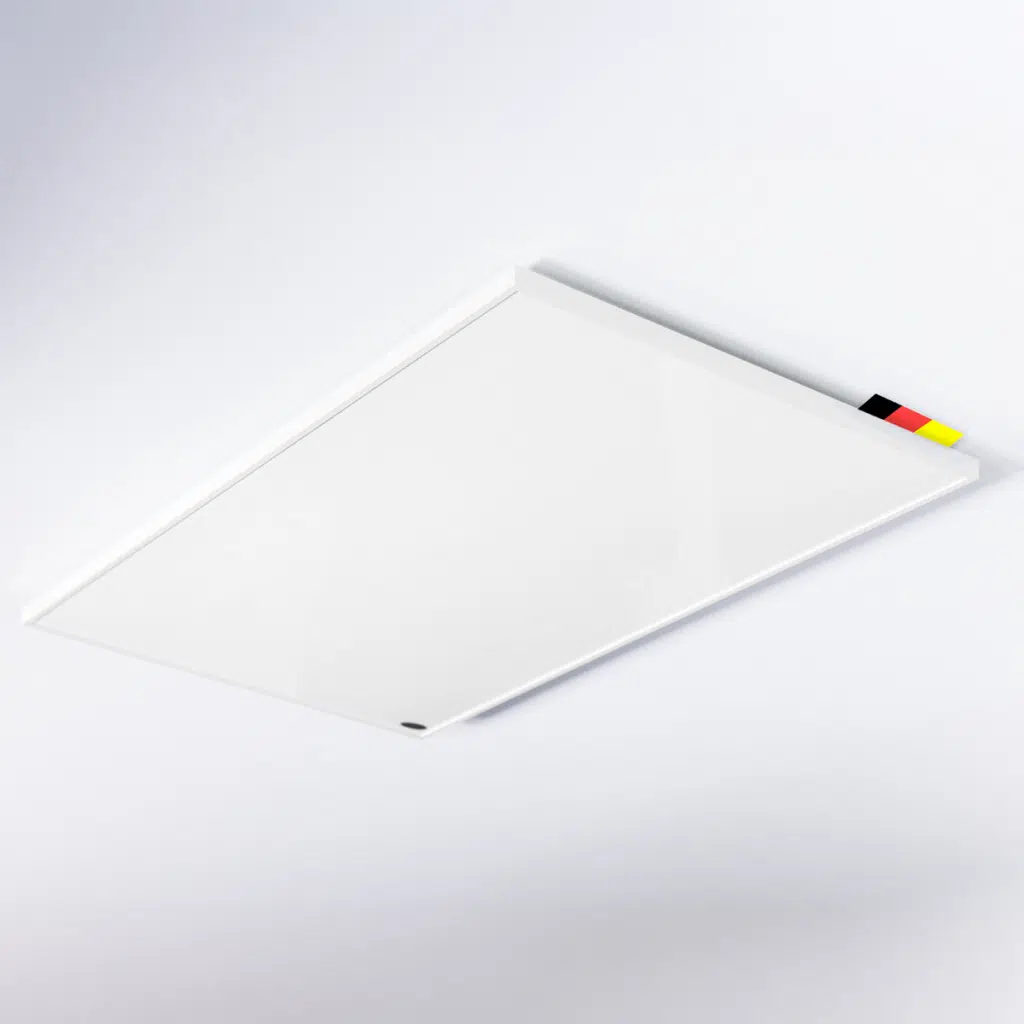
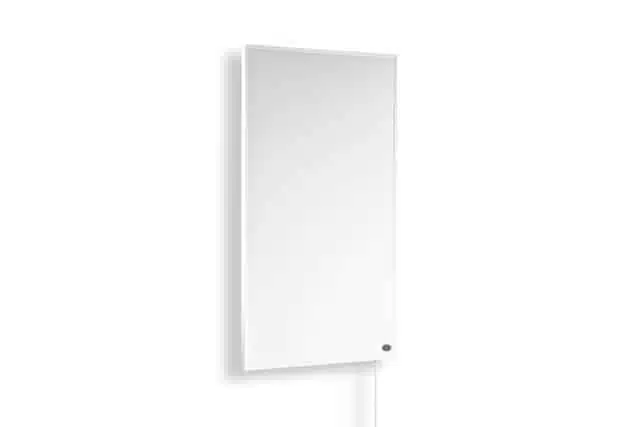
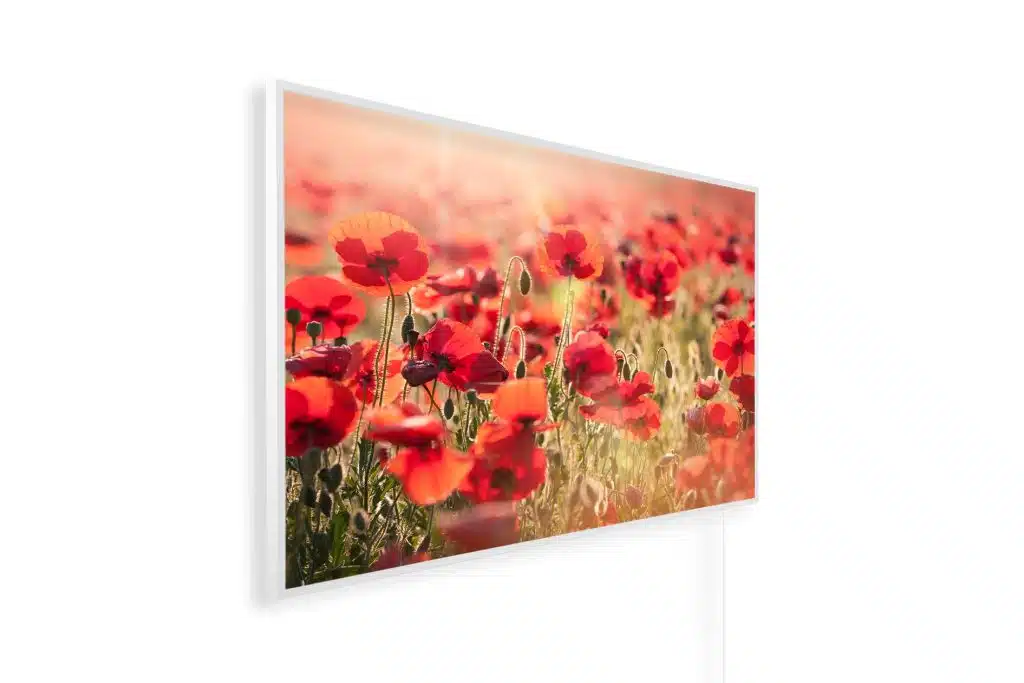
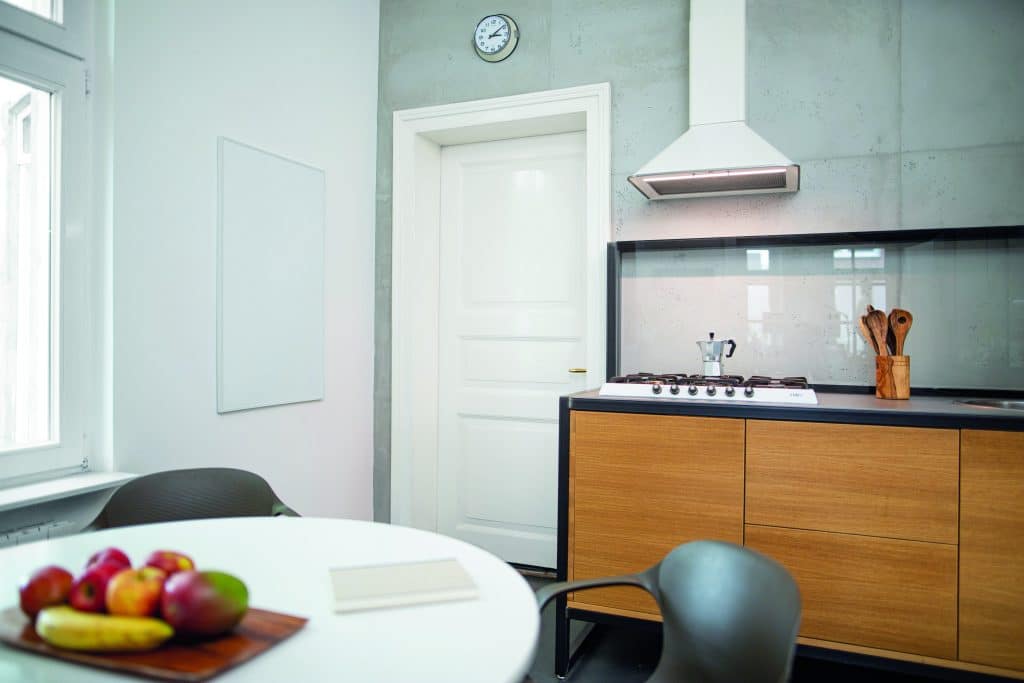
If you have a photovoltaic system on the roof, infrared heaters are a good alternative to conventional heating methods. Infrared heaters are inexpensive to buy, do not require complex installation and can be used flexibly and as required. Whether you want to mount an infrared heater on the ceiling or wall, printed with your favorite picture or you prefer a plain white heater – there are many ways to integrate an infrared heater into your home. Another advantage: thanks to the fast and efficient heat generation, you don’t have to wait long for the room to warm up. Infrared heaters reach operating temperature in 2-4 minutes. Which heating system can make that claim? You can find out even more information about infrared heating in this article.
Conclusion
As a general rule: get several quotes from different providers – regardless of whether you want to rent or buy a system. This way you can compare the costs and get a better feel for the price ranges. A photovoltaic system is an investment in the future and pays off in the long term. The environment will thank you!
Want to know more?
There is a lot more exciting information to discover on our blog. Take a look at our latest article on the possibilities of a smart home. Or are you interested in the articles about ceiling heating? If you have any further questions, our friendly customer service team will be happy to help you – by phone, email or chat. We look forward to hearing from you.