Stress is one of the most common causes of illness in our society. According to a survey by Techniker Krankenkasse, 64 percent of Germans feel stressed at least sometimes.[1] Absenteeism due to mental health issues has been on the rise in companies for years and accounts for the highest proportion at 20 percent. But what exactly is stress and how can we counteract it? You can find out more in this article.
Stress – what is it actually?
Let’s first look at the question of how exactly stress is defined. You probably know this from your circle of friends/colleagues: one person complains about stress in their relationship, the other about stress at work. Some feel overwhelmed, others feel underchallenged, because both can trigger stress.
Stress is defined as the heavy strain placed on an organism by internal or external stimuli[2]. In contrast to positive stress(eustress), which challenges and motivates us, stress is perceived as negative (distress) when a person cannot recognize a solution for coping with the situation. The body reacts with increased tension, starts to sweat, releases adrenaline and is briefly on alert. It becomes dangerous for the body if this state persists. Permanent stress is a risk factor for many illnesses and can lead to increased blood pressure, digestive problems, migraines or depression, for example.
Women are generally affected more often than men, which is often due to the multiple burdens of household, children and work. Unfortunately, women still allow themselves to be put under pressure by a social ideal: Perfect at work, loving mother, interesting partner, caring daughter. Men, on the other hand, have to deal with too much work, deadline pressure and constant availability[3], leaving no room for their own needs. But children and young people are also increasingly complaining about stress. Interesting fact: both sexes feel stressed by being on the road. Perhaps the speed limit would be a start? ?
The biggest stress factors
We are exposed to a lot of stress these days. In addition to work/study or school, self-imposed perfectionist demands on ourselves and health problems in the family are causing the highest level of stress. In the last two years, the coronavirus pandemic has had an increased impact on people’s perception of stress. Furthermore, the war in Ukraine, rising energy costs and inflation are currently causing increased stress factors. [4]
Recognize and avoid stress
How you deal with stress is fundamentally important. Because before we can deal with how to reduce and manage stress, we need to find the causes. The only thing that helps here is to be aware of situations in life in which we feel tense, stressed or exhausted, to listen carefully to our own bodies and to reflect on them. Each of us has our own personal stress level. It is not always easy to clearly identify which moments trigger the alarm state – it is often a combination of several factors. Be patient and be honest with yourself – because only you can free yourself from negative stress.
Do you know which moments in your life are responsible for the way you feel? Then the next step is to change your behavior. This is easier said than done, we know. But once you have recognized what stresses you out, you will be able to avoid stressful situations or reduce your stress levels. Even better, of course, if you can switch off the situations completely.
Stress reduction – what helps?
Do you want to actively change something and reduce the stress in your life? We have listed some ideas here that can help you on your way.
- Don’t be constantly available and switch off your smartphone. We are constantly flooded with stimuli from our smartphones, making it almost impossible to really pay attention and concentrate.
- Take a break, have a cup of tea and do … nothing!
- Say “no” sometimes. You can’t please everyone.
- You’re not perfect, and that’s a good thing. Don’t put yourself under pressure, but celebrate the imperfect.
- Sometimes life is stupid, mean and unfair. Instead of fighting it, learn to accept that there are also bad days. Don’t get stuck in a carousel of negative thoughts but remember the good things that life has already given you.
- Appreciate yourself and your own performance. The others don’t do everything better, I promise.
Make decisions. You’ll feel better afterwards.
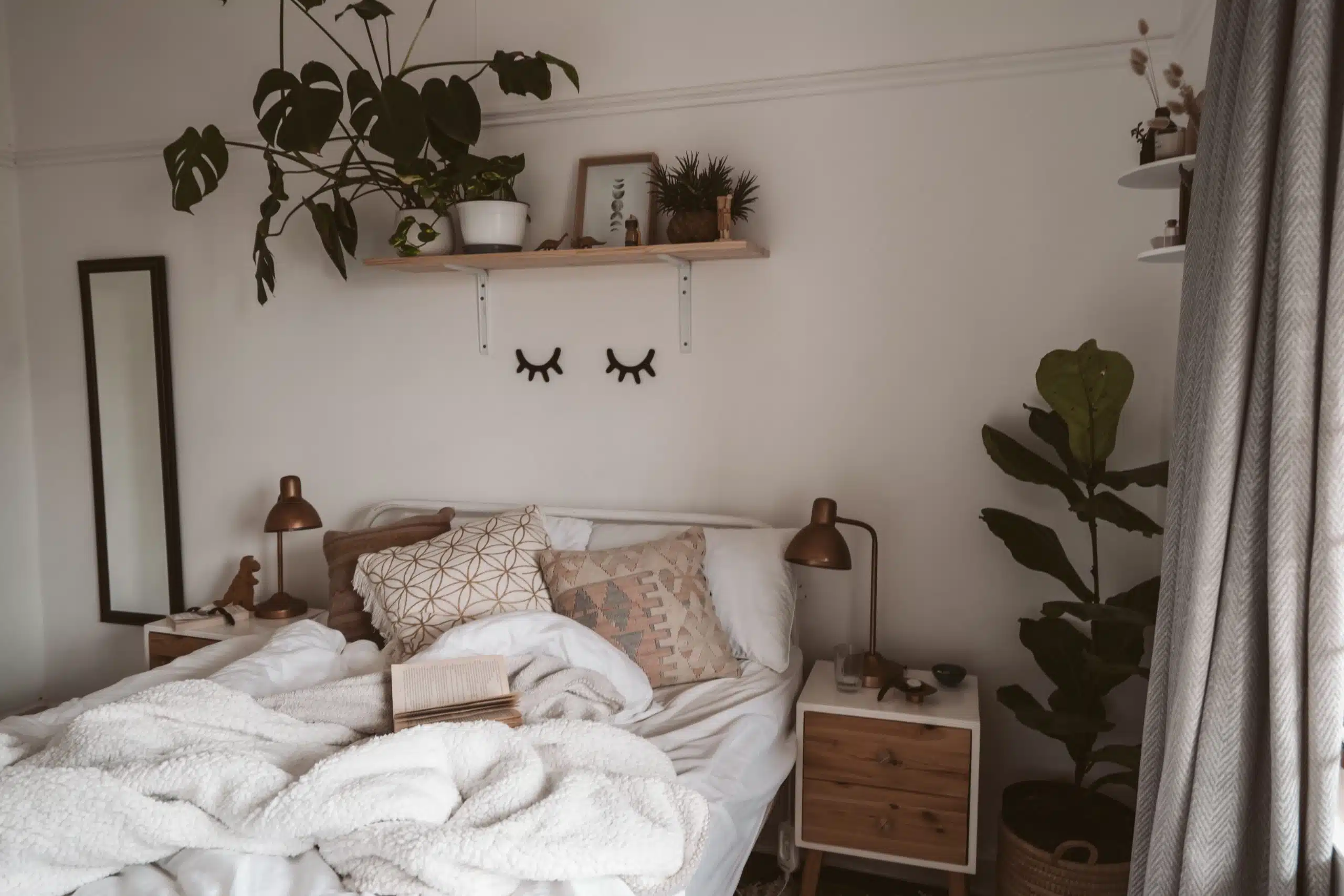
- Make sure you get enough sleep. Without distraction or noise.
- Change your diet and opt for stress-reducing foods such as nuts, cocoa, oatmeal or bananas instead of chocolate.
- Get moving. Whether you’re doing sport, gardening or dancing around wildly – your mental health benefits from regular exercise.
- Read a book again, because reading promotes relaxation.
- Structure your day and set priorities.
- Are you a dog owner? Wonderful! Because after just 10 minutes of stroking a dog, your stress level drops. Even watching people interact with animals relaxes you and reduces stress.
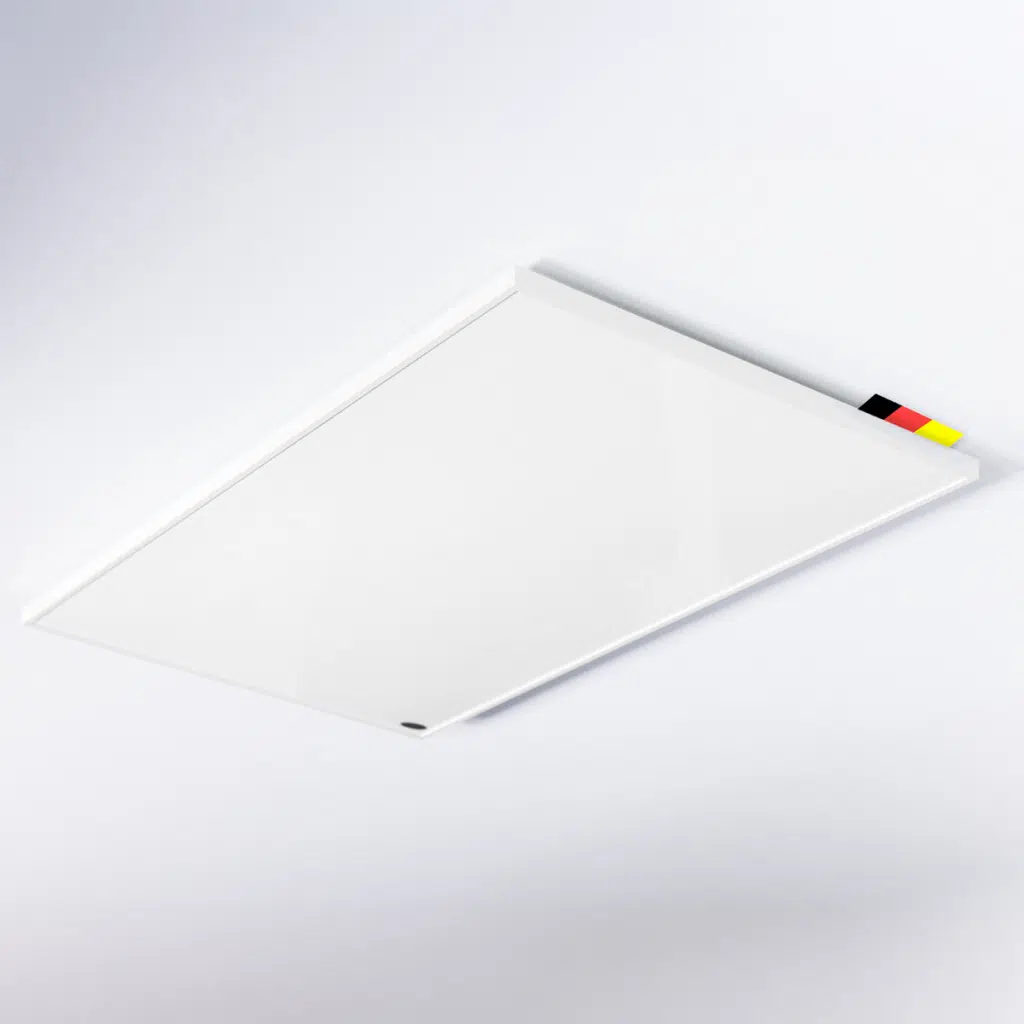
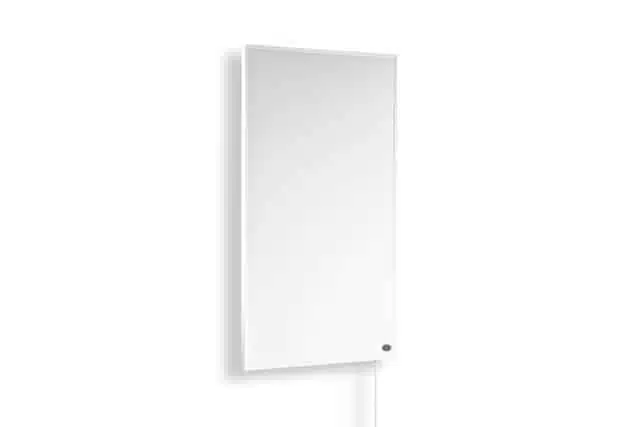
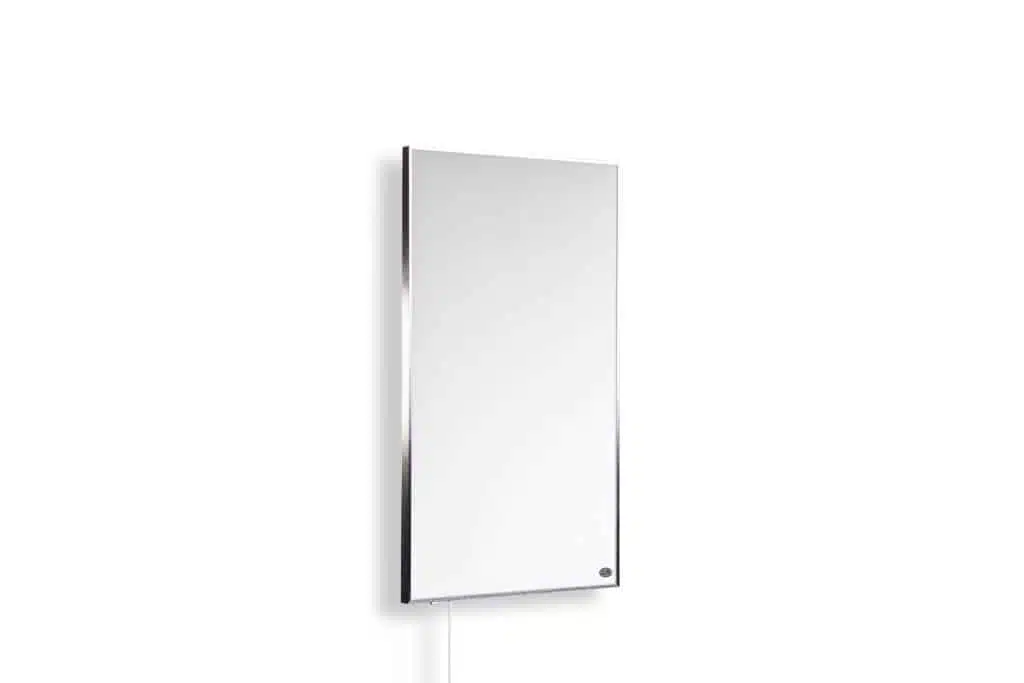
- Keep warm. When you are stressed, your whole body is on alert. Your muscles are tense, blood vessels are constricted and you feel unwell. With our infrared heaters, you can strengthen your immune system and also create a pleasant room climate. Because warmth provides relaxation. The heat from infrared heating in particular penetrates deeper into the skin than other heat sources and therefore has an intensive and rapid deep effect. You can find out more about infrared heating in this article.
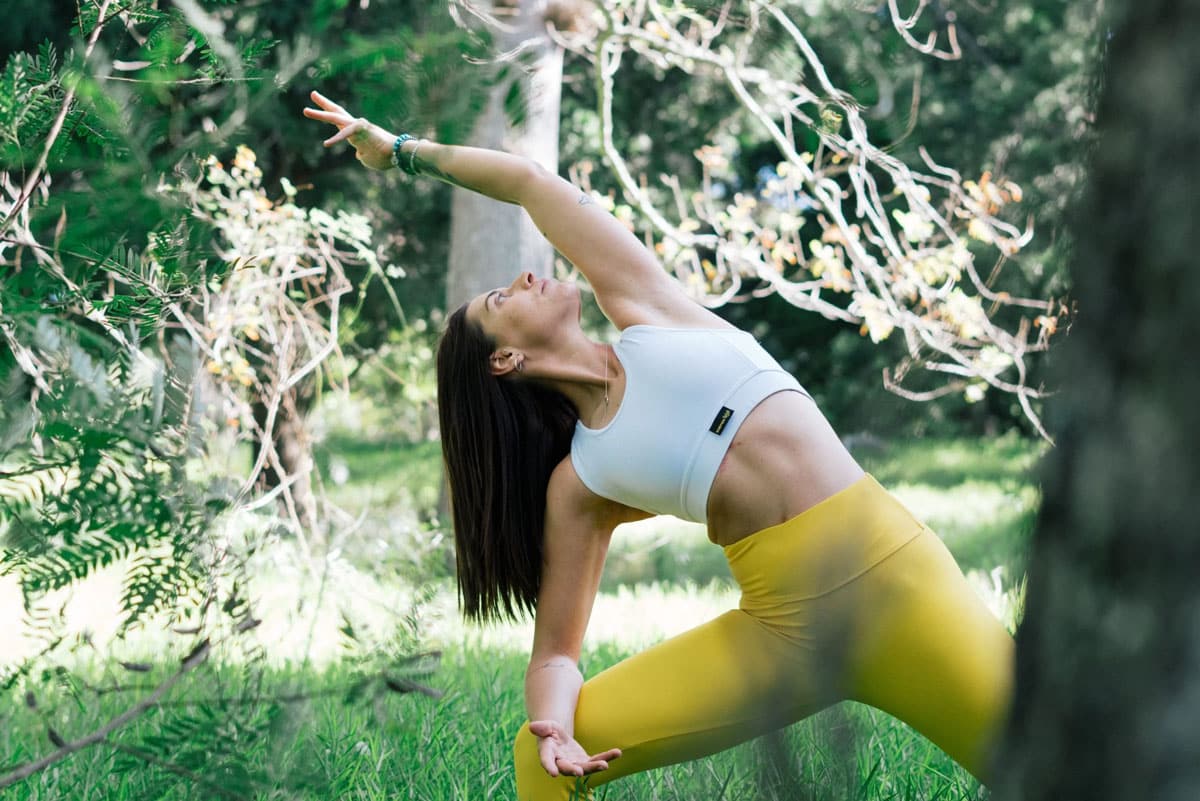
- Learn relaxation techniques such as yoga, meditation, muscle relaxation, etc. You can find some ideas here.
- Have you laughed today?
As you can see, the possibilities are very diverse: everyone has to find out for themselves which techniques and tips work best. We wish you lots of fun and relaxation while trying them out!
Conclusion
Our society is stressed, our lives feel too often determined by others. So it’s all the more important that you take some time out. Close your eyes, take a deep breath and enjoy the good things in life.
Want to know more?
We are delighted if you enjoyed our article. There is a lot more exciting information to discover. For example, would you like to know more about the benefits of infrared heating? Or are you particularly interested in the 25 tips for saving energy? Just check our blog regularly – it’s worth it! If you have any further questions, our friendly customer service team will be happy to help you – by phone, email or chat. We look forward to hearing from you.